The Jin Laboratory

Xiongjie Jin, PhD
Assistant Professor
Department of Radiology and Imaging
Department of Radiation Oncology
Medical College of Georgia
Augusta University
Jump to: Research SummaryImpact on Georgia patientsResearch Focus Research Interests Publications
Contact Us
The Xiongjie Jin Lab
Health Sciences Campus
GCC - M. Bert Storey Research Building
1410 Laney Walker Blvd., CN-3141A
Office: (706) 721-8069
Research Summary
Our research focuses on understanding how cellular stress-response pathways drive cancer development and therapeutic response, with the goal of identifying new strategies for cancer treatment. We study heat shock transcription factors (HSF1, HSF2, and HSF4) and molecular chaperones as key regulators of tumor metabolism, survival, and resistance to therapy. Using genetically engineered mouse models and analyses of human cancer datasets, we have shown that HSF1 promotes tumor growth by supporting mitochondrial function and metabolic adaptation, highlighting it as a potential therapeutic target. Our work also uncovers how stress-response pathways influence systemic metabolism and the tumor microenvironment, providing insight into how host factors contribute to cancer progression. In addition, we have identified the HSF2–HSP110 axis as a critical mechanism for maintaining genome stability, suggesting new opportunities to sensitize tumors to radiation and other genotoxic therapies. Ongoing studies in our laboratory aim to translate these findings into therapeutic strategies that disrupt tumor-supportive stress and metabolic programs to improve cancer treatment outcomes.

Impact on Patients in Georgia
Dr. Jin investigates how cancer cells hijack stress-response machinery—specifically heat shock transcription factors—to survive and grow, with a focus on liver cancer and pancreatic cancer, two lethal malignancies with rising incidence in Georgia tied to the state's high rates of obesity and metabolic disease.
His identification of HSF2 and HSP110 as regulators of DNA repair and radiation sensitivity opens a potential new strategy for sensitizing tumors to existing radiation therapy, while his work on tumor-host metabolic interactions addresses the critical question of how systemic, but modifiable, health conditions in the patient influence cancer progression and treatment response.
Research Focus
- Heat Shock Transcription Factors
- Cancer Metabolism and Therapeutic Targeting
- Stress Response Pathways in Cancer Therapy
- Mitochondrial Function in Cancer
- Tumor–Host Metabolic Interactions
- Radiosensitization Strategies
- Tumor Microenvironment and Systemic Metabolism
- Hepatocellular Carcinoma (HCC)
- Pancreatic Ductal Adenocarcinoma (PDAC)
- T-Cell Acute Lymphoblastic Leukemia (T-ALL)
Research Interests
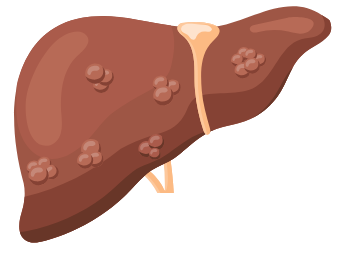 HSF1 & Metabolic Regulation in Liver Cancer
This project studies how systemic metabolism and inter-organ communication influence hepatocellular carcinoma (HCC), particularly in the context of obesity and metabolic disease. We focus on heat shock factor 1 (HSF1) as a key regulator linking stress responses to mitochondrial function and lipid metabolism. Our findings show that HSF1 controls metabolic programs across liver and adipose tissues, shaping systemic lipid flux and tumor growth. Ongoing work aims to identify metabolic vulnerabilities that can be targeted to improve liver cancer treatment.
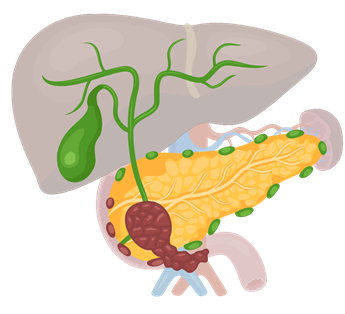 Targeting the HSF2–HSP110 Axis in Pancreatic Cancer
This project investigates therapeutic vulnerabilities in pancreatic ductal adenocarcinoma (PDAC) by targeting transcriptional stress responses. We focus on the HSF2–HSP110 axis as a key regulator of RNA polymerase II function, DNA repair, and transcriptional fidelity under genotoxic stress. Our studies show that disruption of this pathway increases DNA damage, impairs splicing, and enhances sensitivity to radiation, while also promoting anti-tumor immune responses. Ongoing work aims to develop strategies to target this axis and improve the effectiveness of existing therapies.
View Pure Research Profile
| Publication |
|---|
HSF2-HSP110 axis supports genome stability via RNA polymerase II transcription and DNA repairJin, X., Xi, C., Pandya, B., Pang, J., Fernandez, D., Eroglu, B., Moskophidis, D. & Mivechi, N. F., Jun 1 2026, In: The Journal of cell biology. 225, 6Research output: Contribution to journal › Article › peer-review |
Targeted Replacement of HSF1 Phosphorylation Sites at S303/S307 with Alanine Residues in Mice Increases Cell Proliferation and Drug ResistanceJin, X., Moskophidis, D. & Mivechi, N. F., 2023, Methods in Molecular Biology. Humana Press Inc., p. 81-94 14 p. (Methods in Molecular Biology; vol. 2693).Research output: Chapter in Book/Report/Conference proceeding › Chapter |
Dusp26 phosphatase regulates mitochondrial respiration and oxidative stress and protects neuronal cell deathEroglu, B., Jin, X., Deane, S., Öztürk, B., Ross, O. A., Moskophidis, D. & Mivechi, N. F., Apr 2022, In: Cellular and Molecular Life Sciences. 79, 4, 198.Research output: Contribution to journal › Article › peer-review |
HSF1-mediated control of cellular energy metabolism and mTORC1 activation drive acute T-cell lymphoblastic leukemia progressionEroglu, B., Pang, J., Jin, X., Xi, C., Moskophidis, D. & Mivechi, N. F., 2020, In: Molecular Cancer Research. 18, 3, p. 463-476 14 p.Research output: Contribution to journal › Article › peer-review |
The molecular chaperone heat shock protein 70 controls liver cancer initiation and progression by regulating adaptive DNA damage and mitogen-activated protein kinase/extracellular signal-regulated kinase signaling pathwaysCho, W., Jin, X., Pang, J., Wang, Y., Mivechi, N. F. & Moskofidis, D., May 1 2019, In: Molecular and Cellular Biology. 39, 9, e00391-18.Research output: Contribution to journal › Article › peer-review |
Modulation of heat shock factor 1 activity through silencing of Ser303/Ser307 phosphorylation supports a metabolic program leading to age-related obesity and insulin resistanceJin, X., Qiao, A., Moskofidis, D. & Mivechia, N. F., Sep 1 2018, In: Molecular and Cellular Biology. 38, 18, e00095-18.Research output: Contribution to journal › Article › peer-review |
Targeted deletion of Hsf1, 2, and 4 genes in miceJin, X., Eroglu, B., Moskophidis, D. & Mivechi, N. F., 2018, Methods in Molecular Biology. Humana Press Inc., p. 1-22 22 p. (Methods in Molecular Biology; vol. 1709).Research output: Chapter in Book/Report/Conference proceeding › Chapter |
The transcriptional regulator of the chaperone response HSF1 controls hepatic bioenergetics and protein homeostasisQiao, A., Jin, X., Pang, J., Moskofidis, D. & Mivechi, N. F., Mar 6 2017, In: The Journal of cell biology. 216, 3, p. 723-741 19 p.Research output: Contribution to journal › Article › peer-review |
Inactivation of heat shock factor Hsf4 induces cellular senescence and suppresses tumorigenesis In VivoJin, X., Eroglu, B., Cho, W., Yamaguchi, Y., Moskofidis, D. & Mivechi, N. F., Apr 2012, In: Molecular Cancer Research. 10, 4, p. 523-534 12 p.Research output: Contribution to journal › Article › peer-review |
Heat shock transcription factor 1 is a key determinant of HCC development by regulating hepatic steatosis and metabolic syndromeJin, X., Moskophidis, D. & Mivechi, N. F., Jul 6 2011, In: Cell Metabolism. 14, 1, p. 91-103 13 p.Research output: Contribution to journal › Article › peer-review |
Targeted Deletion of Hsf1, 2, and 4 Genes in MiceJin, X., Eroglu, B., Moskophidis, D. & Mivechi, N. F., 2011, Molecular Chaperones: Methods and Protocols. Humana Press Inc., p. 1-20 20 p. (Methods in Molecular Biology; vol. 787).Research output: Chapter in Book/Report/Conference proceeding › Chapter |
Heat shock factor 1 deficiency via its downstream target gene αB-crystallin (Hspb5) impairs p53 degradationJin, X., Moskophidis, D., Hu, Y., Phillips, A. & Mivechi, N. F., Jun 1 2009, In: Journal of cellular biochemistry. 107, 3, p. 504-515 12 p.Research output: Contribution to journal › Article › peer-review |
Relationship between mitochondrial DNA mutations and clinical characteristics in human lung cancerJin, X., Zhang, J., Gao, Y., Ding, K., Wang, N., Zhou, D., Jen, J. & Cheng, S., Sep 2007, In: Mitochondrion. 7, 5, p. 347-353 7 p.Research output: Contribution to journal › Article › peer-review |
Demyelination, astrogliosis, and accumulation of ubiquitinated proteins, hallmarks of CNS disease in hsf1-deficient miceHomma, S., Jin, X., Wang, G., Tu, N., Min, J., Yanasak, N. & Mivechi, N. F., Jul 25 2007, In: Journal of Neuroscience. 27, 30, p. 7974-7986 13 p.Research output: Contribution to journal › Article › peer-review |
Essential Requirement for Both hsf1 and hsf2 Transcriptional Activity in Spermatogenesis and Male FertilityWang, G., Ying, Z., Jin, X., Tu, N., Zhang, Y., Phillips, M., Moskophidis, D. & Mivechi, N. F., Feb 2004, In: Genesis (United States). 38, 2, p. 66-80 15 p.Research output: Contribution to journal › Article › peer-review |
Mitochondrial DNA mutations in lung cancerJin, X. J., Zhang, J. J., Song, Y., Gao, Y. N. & Cheng, S. J., Jul 2002, In: Chinese Journal of Cancer. 21, 7, p. 715-718 4 p.Research output: Contribution to journal › Article › peer-review |