
vidaRPM | Mental Health - Pregnancy & Postpartum
Having a baby is stressful, even in the midst of experiencing joyful moments. Pregnancy, childbirth, and taking care of a baby is emotionally and physically exhausting.
For example, babies require cribs, clothes, and diapers. Staying healthy during and after pregnancy can also leave some women paying unexpected medical bills. Together, these experiences can lead to mental health symptoms during and after pregnancy. Women who have been diagnosed with a mental health condition prior to pregnancy are at an even greater risk of mental health problems during and after pregnancy.Taking care of your well-being is very important. In fact, managing your mental health is also taking care of your health. Below are some of the most common symptoms of mental health challenges during and after pregnancy.


Depression
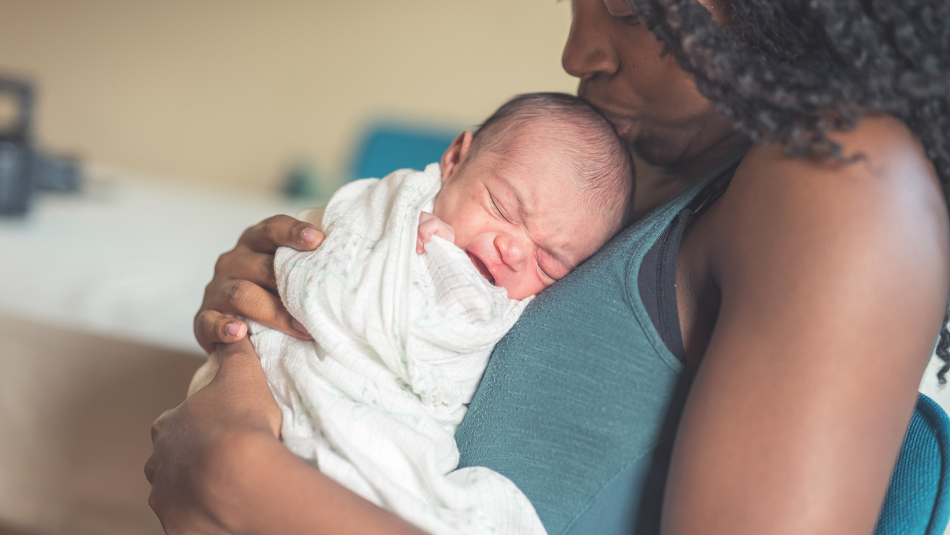
The most common mental health condition during pregnancy and the postpartum phase is depression. While this is commonly referred to as postpartum depression, the scientific name for this condition is Major Depressive Disorder, with Peripartum Onset. Approximately, 7%-9% of women experience depression during pregnancy through the first year after birth (Gaynes et. al. 2005). Depression symptoms can be mild, moderate or severe. This depends on how difficult it is for you to complete your activities for daily living (ADL’s). For example, if it is hard(er) to get out bed in the morning, take showers, cook meals - but you still do all of those things - you may be experiencing a mild case of depression. However, if you are unable to get out of bed, shower, or complete other daily activities - you may be experiencing a moderate or severe form of depression. These symptoms generally cause distress and they occur most days for two weeks or more.
The list of depression symptoms include:
- Sad, irritable mood most of the day
- Lack of interest of activities previously enjoyed
- Weight loss, weight gain, or change in appetite
- Sleeping too much or not sleep enough
- Slowed body movements or restlessness and unintentional movements
- Loss of energy
- Feeling worthless, experiencing a lot of guilt
- Difficulty thinking, concentrating or making a decision
- *Frequent thoughts of dying, making a plan to die (if experiencing these symptoms, please see below)
Georgia Crisis Access Line (1-800-715-4225) | Suicide Prevention Lifeline (*988) | Calling 911
Anxiety
There are many different types of anxiety conditions. When people share that they have “anxiety” or “postpartum anxiety” they are most commonly referring to Generalized Anxiety Disorder. This condition essential means that someone worries about a lot of different things or that their worries are generalized to many things. Generalized Anxiety Disorder or GAD occurs in pregnancy among 8.5%-10.5% of women and 4.4%-10.8% of women after birth (Misri, Abizadeh, & Swift, 2015).
Symptoms of this condition include: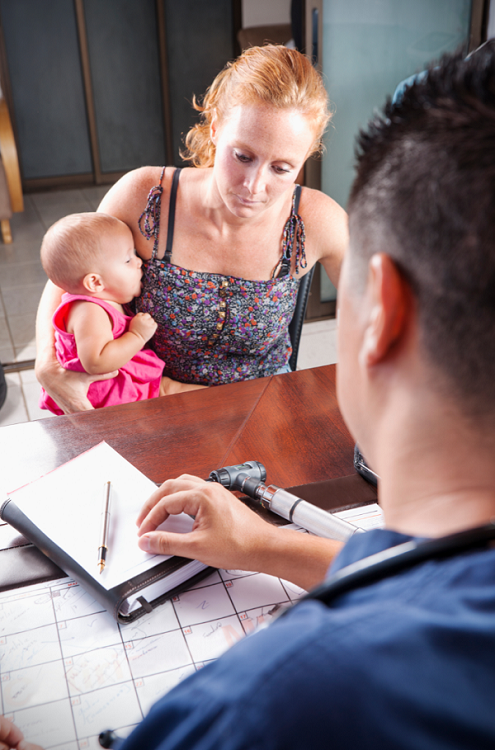
- Significant anxiety and worry for most days, for 6 months
- Difficulty controlling the worry
- Feeling 3 or more of the following symptoms:
- Feeling restless
- Feeling easily tired
- Difficulty concentrating
- Irritability
- Tense muscles
- Sleep changes (such as difficulty falling asleep because your mind is racing)
As a new mom or a mom with a new baby, it is common (and even expected!) that there will be an increase in anxiety symptoms. If these worries begin affecting your ability to take care of yourself, take care of your baby, or do the things needed (e.g., go grocery shopping), you may be experiencing an anxiety disorder.
Other Symptoms
Some women may also begin developing symptoms of Obsessive-Compulsive Disorder during or after pregnancy. This condition is typically referred to as OCD. OCD includes (1) recurrent, intrusive thoughts that cause anxiety and distress and (2) an action to stop the thought. Some frequent behaviors found with OCD include frequent hand washing, checking locks on doors, counting, and repeating actions multiple times. These behaviors are done with the goal of reducing anxiety.
While rare, some women begin experiencing psychotic symptoms during or after pregnancy. These symptoms may include hearing voices, feeling as though someone is watching you, seeing things that may not be real, or feeling the urge to hurt yourself or your baby. If you begin experiencing these symptoms, it is very important that you get help as soon as possible. A helpful starting place is the crisis line, scheduling an appointment with your OB/GYN or another healthcare provider. If you are concerned about keeping yourself or your baby safe, calling 911 or heading straight to the Emergency Department is the best recommendation for help.
Friends or Families
If you are concerned about your love one, here are some resources that you can reach out to:
Postpartum Support | Georgia Crisis Access Line (1-800-715-4225) | Suicide Prevention Lifeline (*988)
Treatment
 Many times, women observe these changes in themselves. Sometimes, these symptoms are
observed by family members, friends or coworkers. A doctor may have also suggested
that you are experiencing a mental health challenge. If you become aware of these
things, it is helpful to take a deep breath. Understanding what is happening inside
of your body is one more tool you can use to care of yourself and your baby.
Many times, women observe these changes in themselves. Sometimes, these symptoms are
observed by family members, friends or coworkers. A doctor may have also suggested
that you are experiencing a mental health challenge. If you become aware of these
things, it is helpful to take a deep breath. Understanding what is happening inside
of your body is one more tool you can use to care of yourself and your baby.
Your doctor may recommend therapy such as Cognitive Behavioral Therapy. Also known as CBT, this form of therapy helps you understand how thoughts, feelings and actions are related. It is also one of the best therapy approaches to help with anxiety and depression. Your doctor may also recommend medication as a way to improve your mental health. Medication and therapy are very helpful and effective ways to feel better. When you feel better, you can take better care of yourself and baby. It is helpful to remember that YOU ARE NOT ALONE! There is no need to suffer in silence. Resources are available to support you and these work best when you are completely honest about your feelings.

References
American Psychiatric Association: Diagnostic and Statistical Manual of Mental Disorders, Fifth Edition, Text Revision. Washington, DC, American Psychiatric Association, 2022.
Gaynes BN, Gavin N, Meltzer-Brody S, et al: Perinatal depression: prevalence, screening accuracy, and screening outcomes. Evidence Report/Technology Assessment, No. 119. AHRQ Publication No. 05-E006-2. Rockville, MD, Agency for Healthcare Research and Quality, 2005. Available at: http://archive.ahrq.gov/clinic/epcsums/peridepsum.pdf.
Misri S, Abizadeh J, Sanders S, Swift E. Perinatal Generalized Anxiety Disorder: Assessment and Treatment. J Womens Health (Larchmt). 2015 Sep;24(9):762-70. doi: 10.1089/jwh.2014.5150. Epub 2015 Jun 30. PMID: 26125602; PMCID: PMC4589308.