
Back to Top
Apply Giving myAugusta
Resources for:
Students
Students Faculty & Staff Parents & Family Alumni Community
Augusta University Logo
  • Academics
    A group of men and one woman stand in front of a screen and hold awards
    18 Computer and Cyber Sciences students receive Rattner Scholarships »

    Academics Home

    Colleges & Schools

    Programs of Study
    • Degrees & Programs
    • Course Catalog
    • Course Schedule
    • Program Pathways
    • Academic Calendar
    • Online Programs
    • Accelerated Degree Programs
    Resources
    • Academic Success Center
    • Advising
    • Counseling Services
    • Honors Program
    • Libraries
    • Testing & Disability Services
    • Writing Center
    Outside the Classroom
    • Army ROTC
    • Study Abroad
    • Experiential Learning
    • First Year Experience
    • Center for Undergraduate Research
    • Career Services
    • Jags Live Well
  • Admissions
    Georgia Gov. Brian P. Kemp sitting next to First Lady Marty Kemp signing the state’s amended FY2026 budget.
    DREAMS Scholarship becomes a reality in Georgia »

    Admissions Home

    Visit Campus

    Request Information

    Apply to AU
    • First-Year Freshmen
    • Transfer Students
    • Dual Enrollment
    • Graduate Students
    • Medical College of Georgia
    • Dental College of Georgia
    Opportunities
    • Degree & Programs
    • Honors Program
    • Program Pathways
    • Military-Affiliated Students
    • New Student & Family Transitions
    • On-Campus Housing
    Financial Aid
    • Student Financial Aid
    • Net Price Calculator
    • Scholarships
    • Cost of Attendance
    • Apply for Federal Aid
  • Campus Life
    The Dr. Gretchen B. Caughman Student Welcome Center highlighted the new Office of Undergraduate Admissions hub while honoring Provost Emerita Gretchen B. Caughman’s legacy, bringing together campus leadership and student ambassadors in a space designed to welcome future Jaguars.
    AU unveils Dr. Gretchen B. Caughman Student Welcome Center »

    Campus Life Home

    Athletics

    Community
    • Army ROTC
    • Living-Learning Communities
    • Military & Veteran Services
    • Mentorship
    • New Student & Family Transistions
    • Jags 4 Jags Mentoring Program
    Campus Services
    • Dining Services
    • Roarstore
    • Housing
    • Student Health
    • Parking & Transportation
    • Jagcard
    Get Involved
    • Clubs & Organizations
    • Greek Life
    • Campus Recreation
    • Student Government
    • Jaguar Production Crew
    • Intramural Sports
  • Research
    The Anthony Grinnell Foundation makes a donation to the Wellstar MCG Health Adrenal Center during a ceremony at the Georgia Cancer Center on the Augusta University Health Sciences campus
    Family creates memorial fund to support research into rare cancer »

    Research Home

    Opportunities
    • Undergraduate Research
    • Graduate & Postdoctoral Research
    • Clinical Trials
    • Core Laboratories
    • Innovation Commercialization
    Initiatives
    • Cancer
    • Cardiovascular
    • Immunology
    • Neuroscience
    • Aging
    Resources
    • Centers & Institutes
    • Ethics & Compliance
    • Institutional Review Board
    • Sponsored Programs
    • Tools for Researchers
  • About AU
    Vice President of Government Relations Margie Miller, Government Relations intern Noah Ceyssens, Director of State Government Relations Ashton Blackwood Paine, Augustus, Assistant Director of State Government Relations Luke Ray and Director of Federal Relations Monty Philpot Brock.
    Augusta University enjoys a successful 2026 legislative session »

    About AU

    Jagwire News

    Leadership
    • President
    • Provost
    • Administration
    • Enrollment Student Affairs
    • Faculty Senate
    We are AU!
    • Our Mission
    • Working at AU
    • Traditions
    • History
    • Augusta, GA
    Resources
    • MyAugusta
    • Calendar of Events
    • Brand Guidelines
    • Portals
    • Faculty Directory
Resources For
  • Current Students
  • Faculty & Staff
  • Parents & Family
  • Alumni & Friends
Apply
Giving
MyAugusta
Trending Search Terms
  • D2L LMS
  • Email
  • Pounce
  • Calendar
  • Registrar
  • Housing
  • Academic Calendar
  • Financial Aid
  • Parking
  • Library
  • Human Resources
  • Information Technology
Pregnant woman holding candy and a blood sugar tester
Medical College of GeorgiavidaRPM |GPI
vidaRPM |GPI
  • GPI Home
  • Home
  • About Us
  • Topics
    • Blood Pressure
    • Breastfeeding
    • Diabetes
    • Healthy Lifestyle
    • Mental Health
    • Nutrition
    • Postpartum
  • Augusta University
  • Centers & Institutes
  • Georgia Prevention Institute
  • vidaRPM |GPI
  • Diabetes & Pregnancy

vidaRPM | Diabetes & Pregnancy

What is diabetes?

Diabetes is a condition in which the body is unable to convert sugars (glucose) in food to energy. The sugar (glucose) stays in your blood and causes high blood sugar levels which can cause complications. It develops when your body doesn’t make enough insulin, or doesn't respond to the insulin properly.

Diabetes affects people of all ages but during pregnancy, it can cause complications for both women and their developing babies. Some complications of high blood sugar during pregnancy include preterm labor, large birth weight babies, birth defects, high blood pressure for mom, perinatal depression, hypoglycemia in baby, heart disease, kidney failure and diabetes later in life for both mom and baby.

Doctor giving a test to a pregnant woman
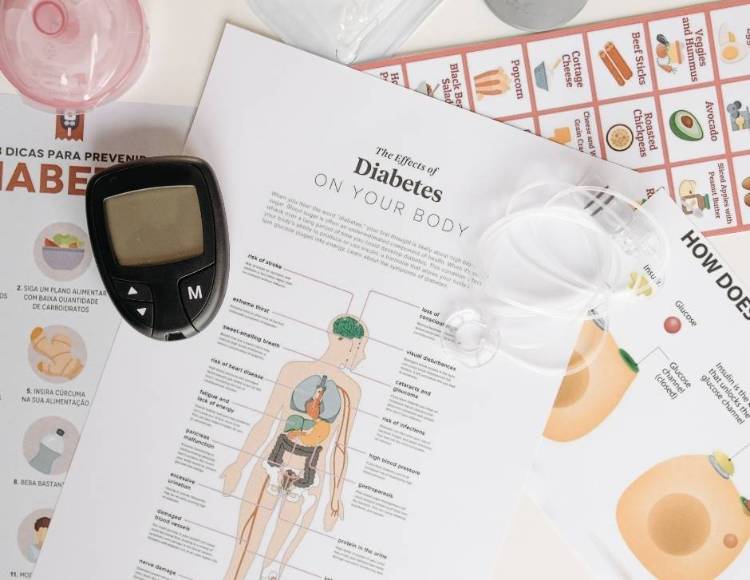
Diabetes information packets spread out
Pregnant woman with diabetes just had a baby

Types of diabetes

The three most common types of diabetes are:

  • Type 1 - The pancreas makes no insulin or so little insulin that the body can’t use blood sugar for energy. Type 1 diabetes must be controlled with daily insulin.

  • Type 2 - The body either makes too little insulin or can't use the insulin it makes to use blood sugar for energy. Some type 2 diabetes can be controlled through eating a proper diet and exercising regularly. Many people with type 2 diabetes have to take diabetes pills, insulin, or both.

  • Gestational - Approximately 10% of women will develop diabetes during pregnancy. This condition is referred to as Gestational Diabetes and typically occurs because hormone changes, weight gain and growth cause the body to use insulin less effectively resulting in insulin resistance and increased blood sugar. About 50% of women with Gestational Diabetes go on to develop type 2 diabetes, but there are steps you can take to prevent it. Talk to your doctor about how to lower your risk and how often to have your blood sugar checked to make sure you’re on track.

assortment of healthy fruits and veggies with diabetes tester

Symptoms & Risk Factors:

Frequent urination

Increase in thirst

Increase in appetite

Blurry vision

Tingling in hands or feet

Slow healing

Your doctor should test you for Gestational Diabetes between 24 and 28 weeks of pregnancy. This test is called a glucose tolerance test (GTT), if your doctor thinks you are at risk, you may get tested earlier.


Woman with baby talking to nurse
woman pouring a drink
woman wth diabetes patch cooking food

Treatment for Gestational Diabetes

Common treatment includes management through healthy eating and physical activity. If your blood sugar continues to stay too high, your doctor may prescribe medications, such as insulin.

It’s important to go to all your prenatal appointments, follow your doctor’s instructions, check your blood sugar-your provider tells you how often to check your blood sugar, what your levels should be and how to manage them during pregnancy; eat healthy, be physically active, check your weight gain, watch for signs of low blood sugar,  and monitor your baby’s growth and development.

For most people, gestational diabetes goes away after giving birth. But having it makes you more likely to develop type 2 diabetes later in life. Type 2 diabetes is the most common kind of diabetes.

Here’s what you can do to help reduce your risk of developing type 2 diabetes after pregnancy:

  • Get tested for diabetes 4 to 12 weeks after your baby is born. If the test is normal, get tested again every 1 to 3 years
  • Get to and stay at a healthy weight
  • Talk to your provider about medicine that may help prevent type 2 diabetes

Resources for you

Diabetes in Pregnancy Checklist

Learn more

Got Diabetes?

Learn more
woman looking at papers


If you would like to find out how you can monitor your health, contact us today!

University Shield

Augusta University

1120 15th Street, Augusta, GA 30912

  •   Campus Maps
  •   Campus Contacts
  • A-Z Directory
  • Degrees & Programs
  • Employment
  • Accessibility
  • Accreditation
  • Campus Safety
  • Compliance Hotline
  • Human Trafficking Notice
  • Privacy Notices
  • Title IX / Sexual Misconduct
Apply Now Give Now

© 2026 Augusta University

Augusta University Facebook Augusta University Twitter Augusta University LinkedIn Augusta University Youtube Augusta University Instagram
©