MCG scientist wins competitive hypertension research award
"It's a huge achievement and an honor," says Daria Ilatovskaya, PhD.
Advancing Cardiovascular Kidney Metabolic Health through Crossdisciplinary Research
Augusta University's Strategically Focused Research Network (SFRN) Center explores the lifelong impact of obesity on Cardiovascular-Kidney-Metabolic Syndrome (CKMS) in women. By leveraging epidemiological expertise through the School of Public Health, research capabilities through the Medical College of Georgia, and advanced technology from the College of Science and Mathematics, the center uses innovative approaches to identify risk factors, understand long-term health impacts, and develop strategies to prevent CKMS.
Postdoctoral Fellowship Opportunities
The Problem
According to recent findings from the American Heart Association, about 1 in 3 U.S. adults has at least three components of CKMS, which include high blood pressure, abnormal cholesterol, high blood sugar, impaired kidney function, and excess body weight.
CKMS is a clinical term that describes the combined health effects of heart disease,
kidney disease, diabetes, and obesity. This syndrome puts people at high risk for serious health complications including
heart attack, stroke, and heart failure. Understanding the interconnections of cardiovascular,
kidney, and metabolic conditions in women requires innovative and interdisciplinary
research that can uncover shared risk factors, reveal insights on pathways of disease,
and lead to more effective strategies for prevention and care.
The Collaboration
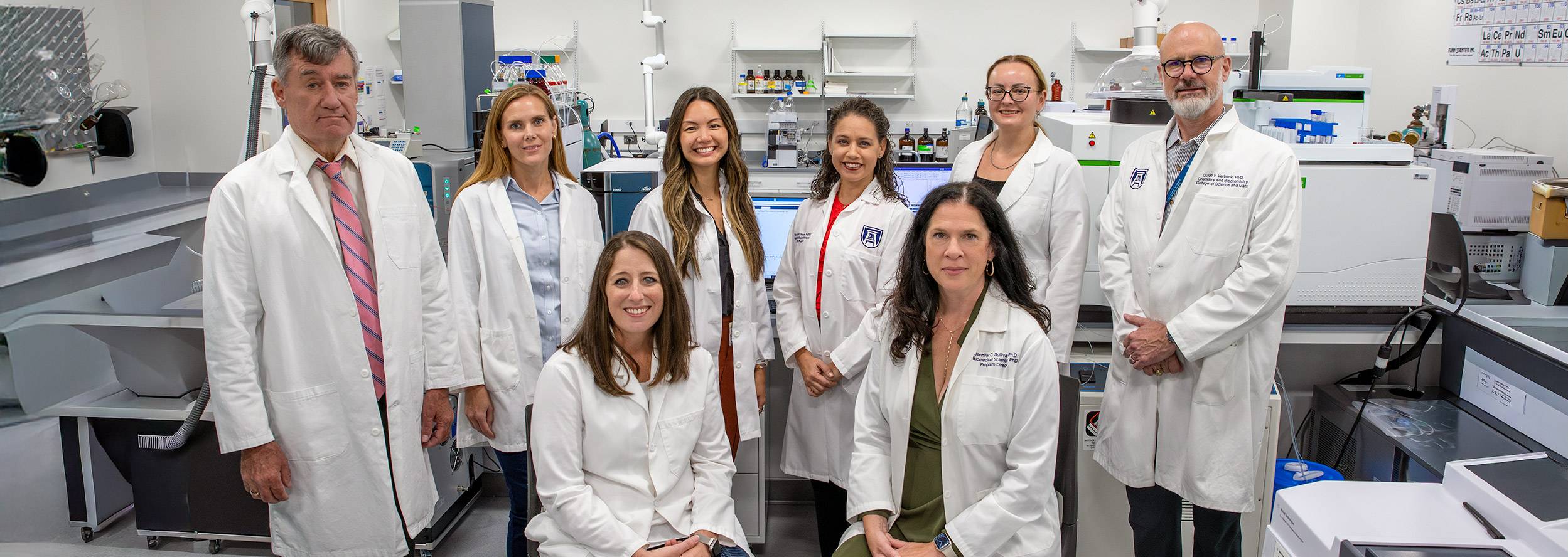
The SFRN is a nationally funded research center with a strong blend of epidemiology and basic science. By utilizing a crossdisciplinary approach, researchers aim to address knowledge gaps and better understand unique risk factors that predispose females to CKMS.
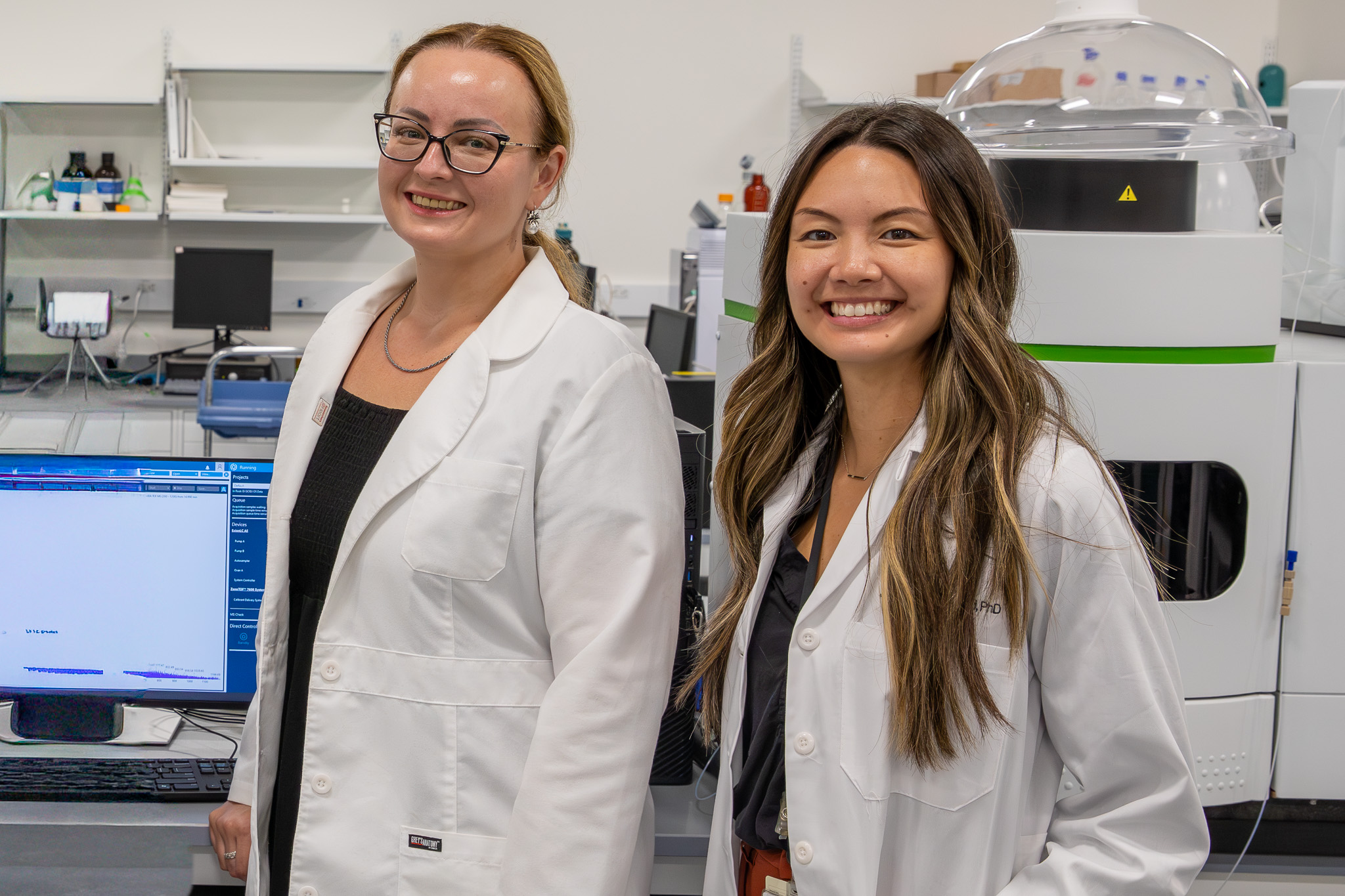
Disruptions in Cardiorenal Free Fatty Acid (FFA) Metabolism in CKMS in Females
Daria Ilatovskaya, PhD | Justine Abais-Battad, PhD
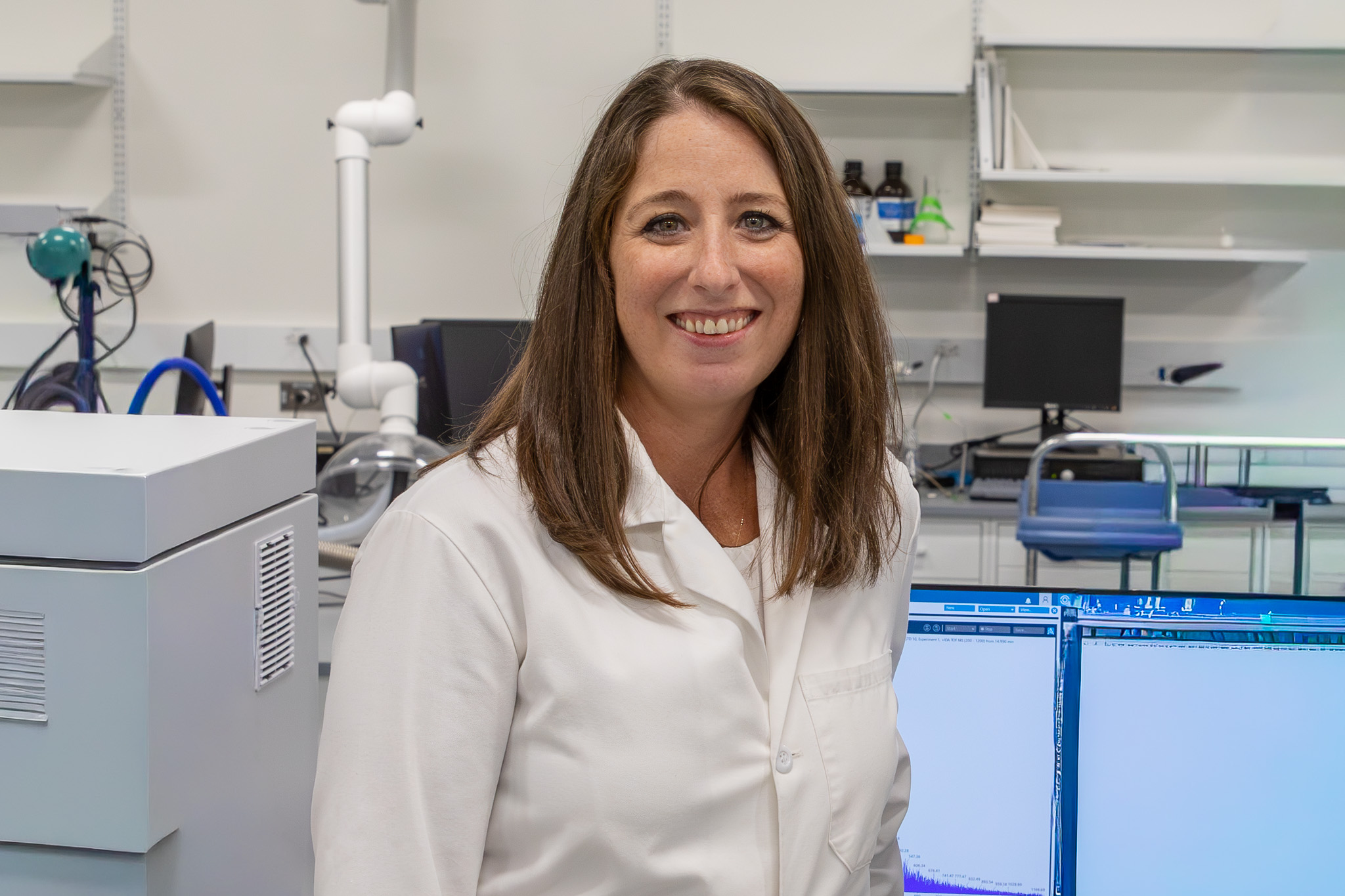
Mechanisms of CKMS in Pregnancy
Jessica Faulkner, PhD
Risk Factors for CKMS in Women
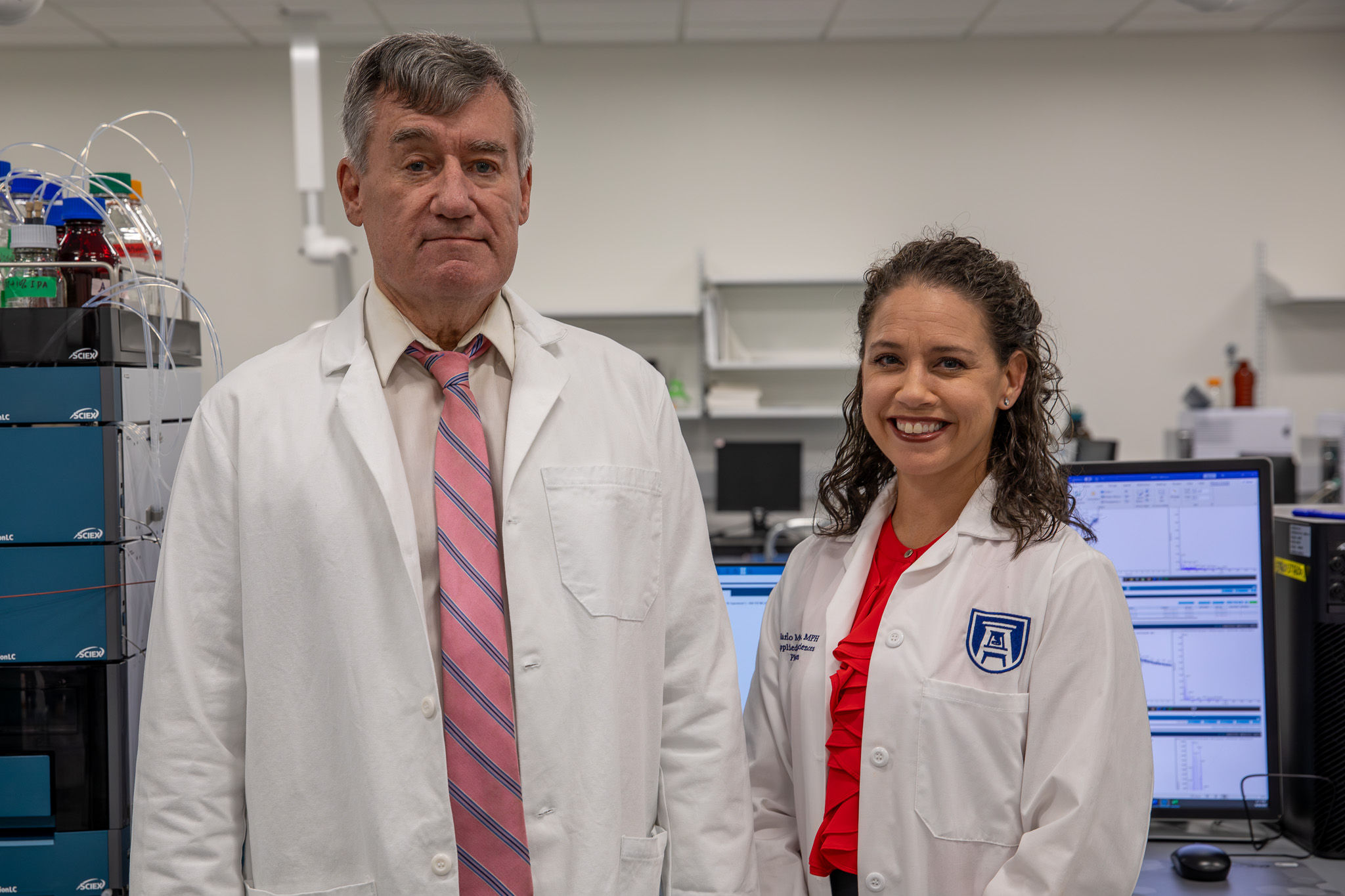
Steven Coughlin, PhD | Marlo Vernon, PhD
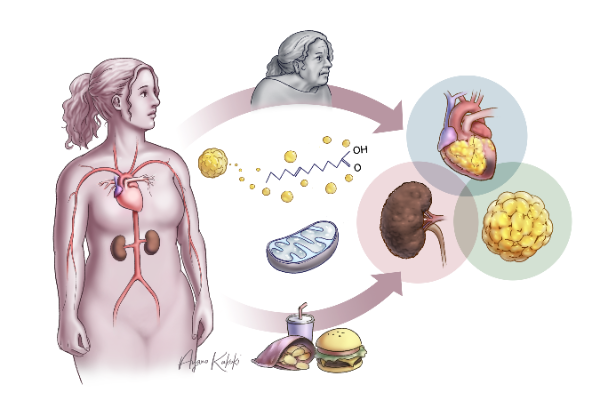
Project 1 explores how aging and obesity affect heart and kidney health in women and men. It focuses on cardiovascular-kidney-metabolic syndrome (CKMS), a condition in which excess body fat, metabolic problems, and heart and kidney disease are closely connected.
We are investigating whether aging or diets high in fat and salt disrupt how males amd females use fat for energy, placing extra stress on the heart and kidneys. A central focus is on mitochondria, the energy-producing structures inside cells, and how sex hormones influence their function. Using male and female rats, along with donated human heart and kidney tissues, we will examine changes in fat metabolism, energy production, blood pressure, and overall organ function.
These studies will help understand why women may be particularly vulnerable to CKMS. The long-term goal is to identify new ways to prevent or slow CKMS and develop treatments that better address women’s and men’s health needs throughout their lives.
Directed by Dr. Alison Kriegel, the SFRN Postdoctoral Training Program at AU provides fellows with mentorship, cross-disciplinary training, and collaborative research opportunities to prepare them to become leaders in CKMS research.
Prepare fellows to conduct innovative, rigorous and ethical independent research in the areas of CKMS and sex as a biological variable (SABV).
Train fellows in communicating effectively across disciplines and building productive collaborations within multidisciplinary scientific teams.
Foster the success of trainees as they transition toward independent CKMS investigators.
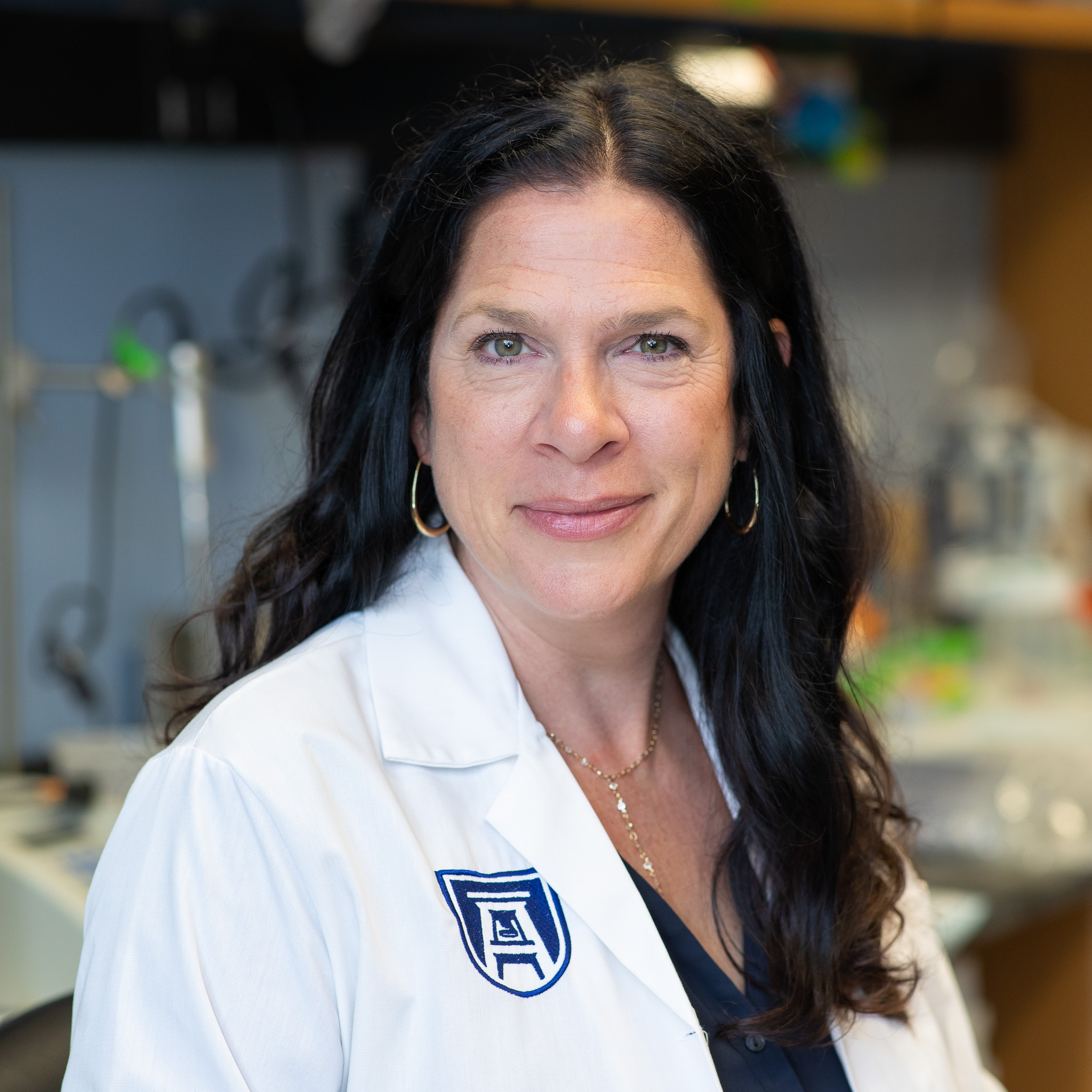
Jennifer Sullivan, PhD
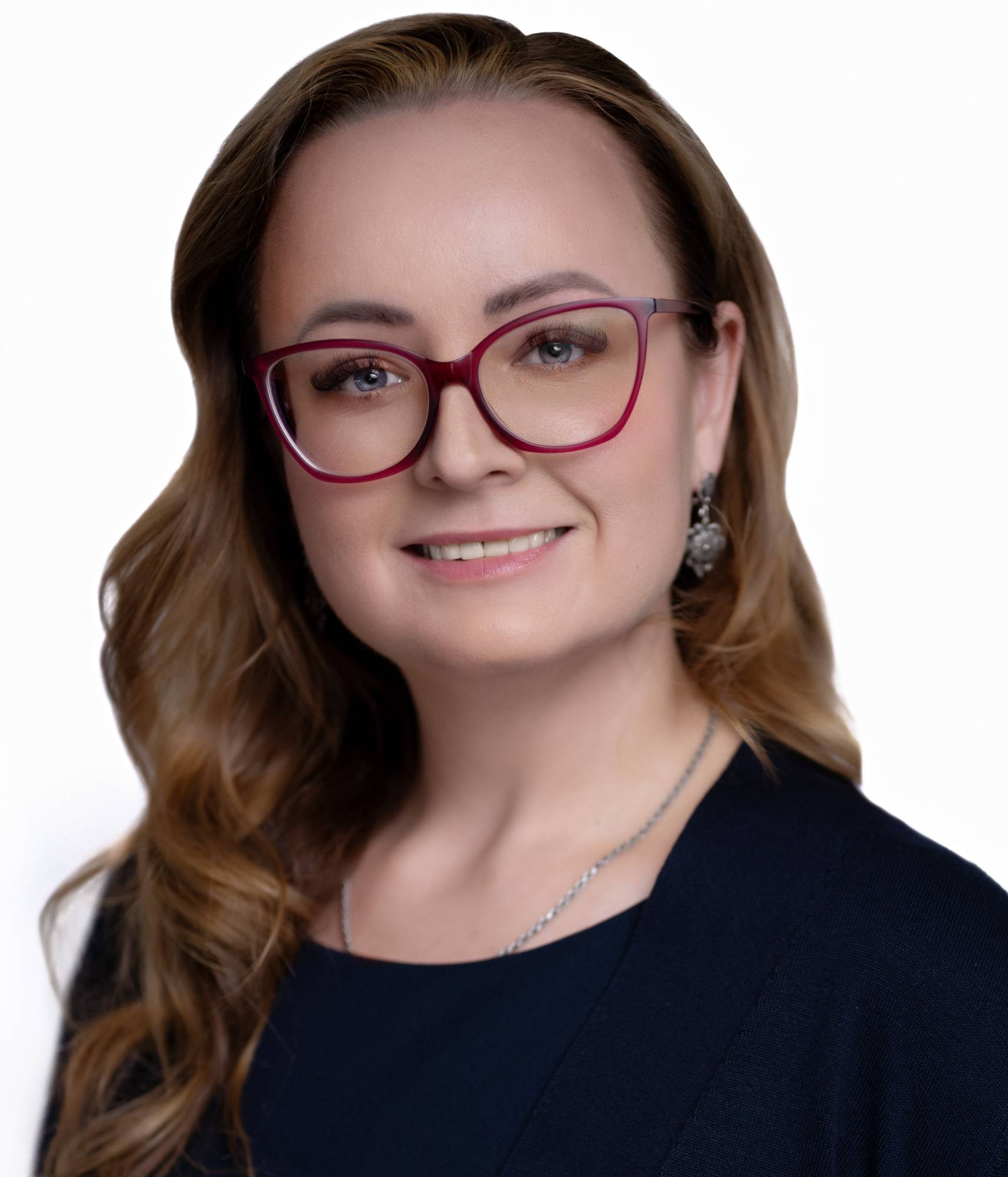
Daria Ilatovskaya, PhD

Justine Abais-Battad, PhD
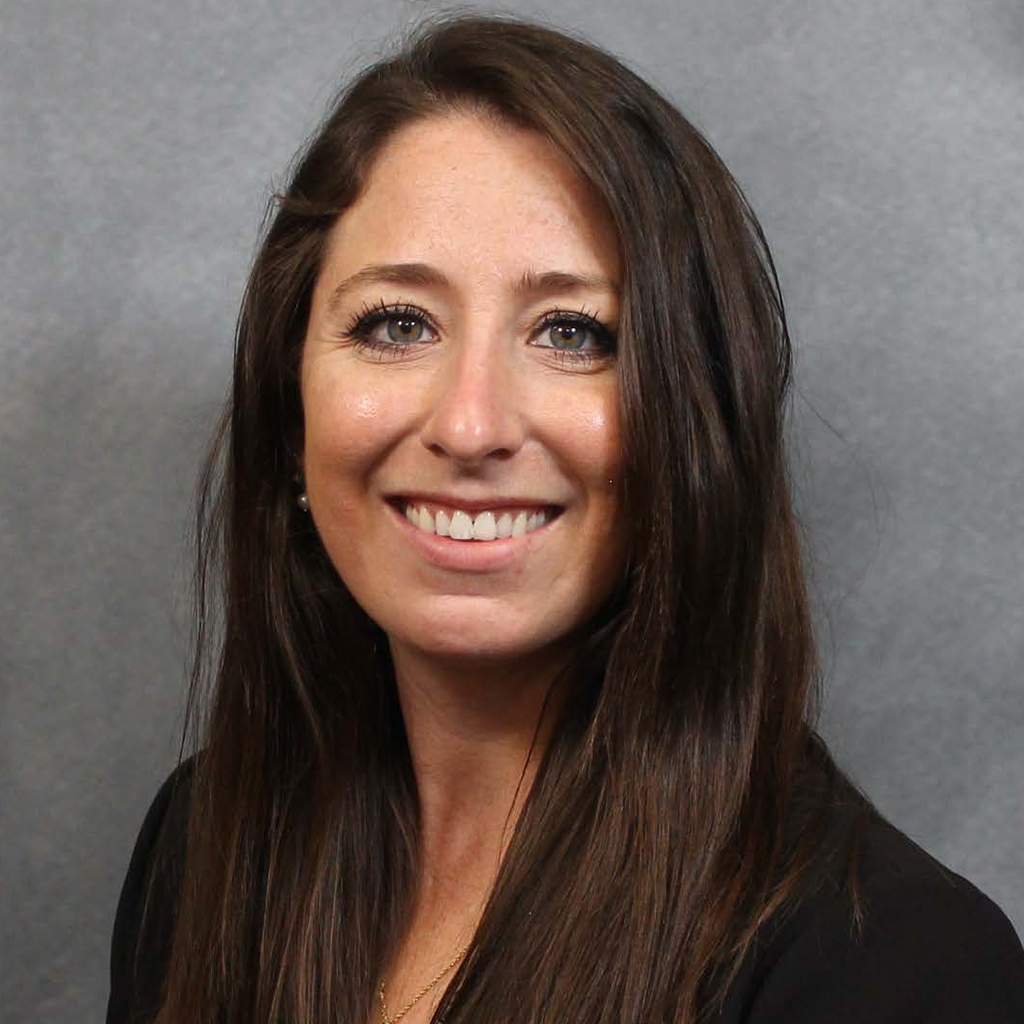
Jessica Faulkner, PhD
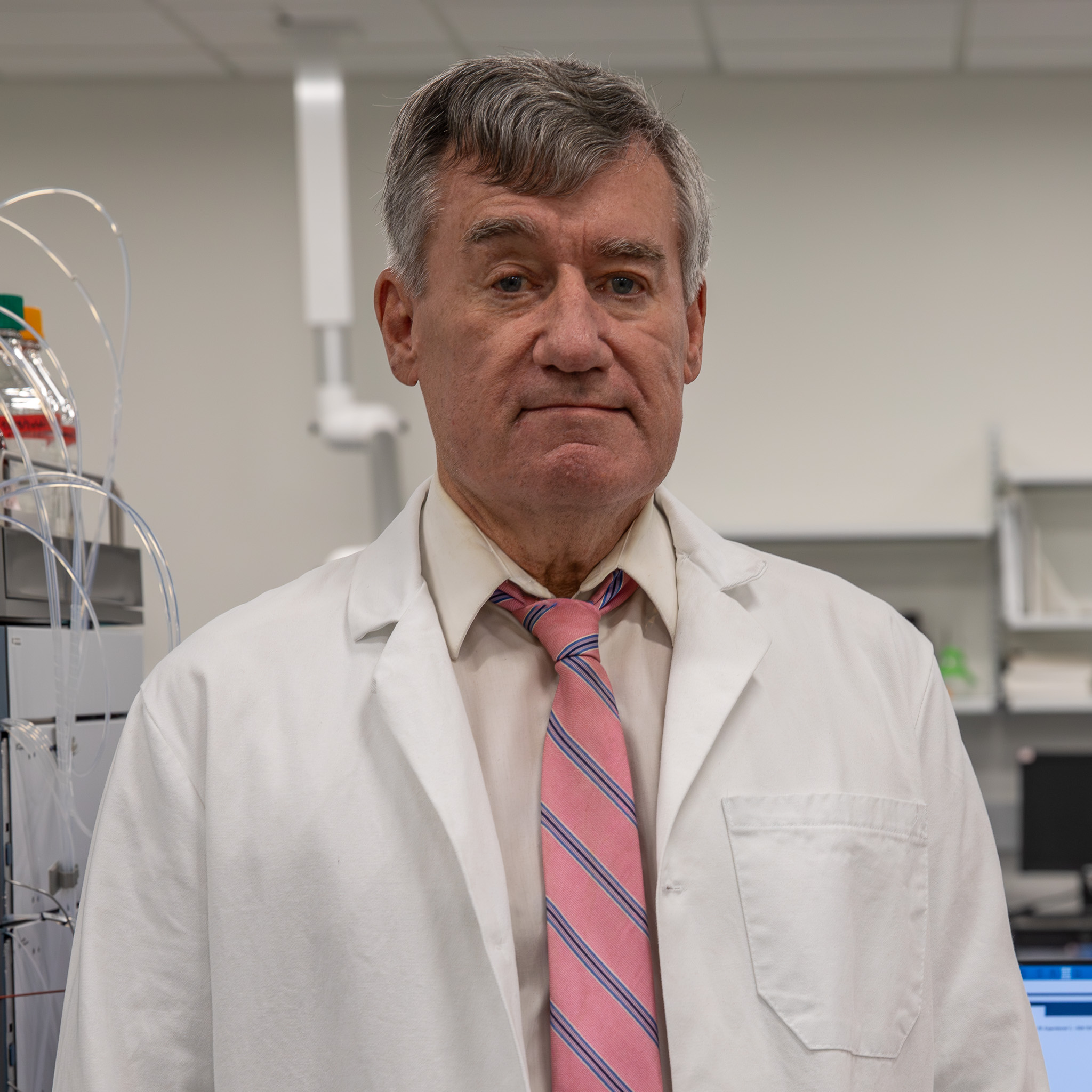
Steven Coughlin, PhD
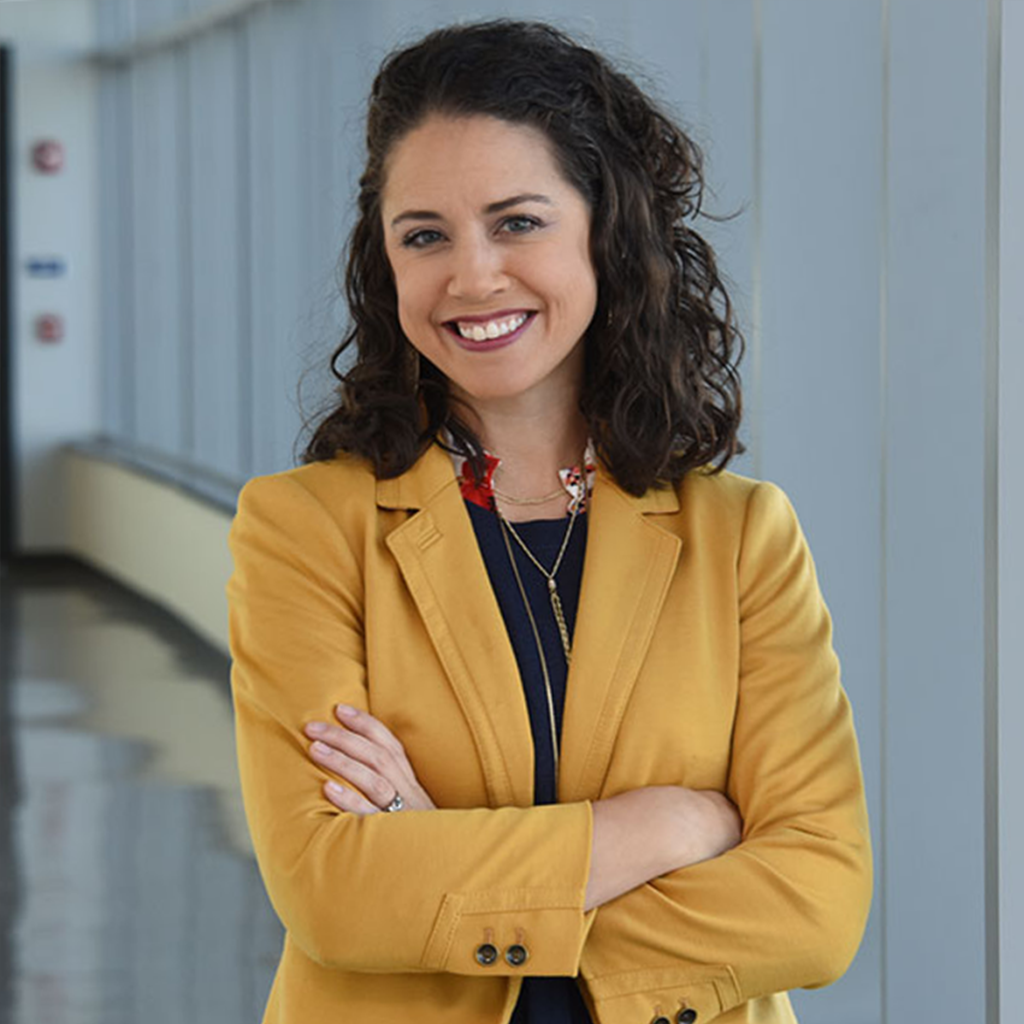
Marlo Vernon, PhD
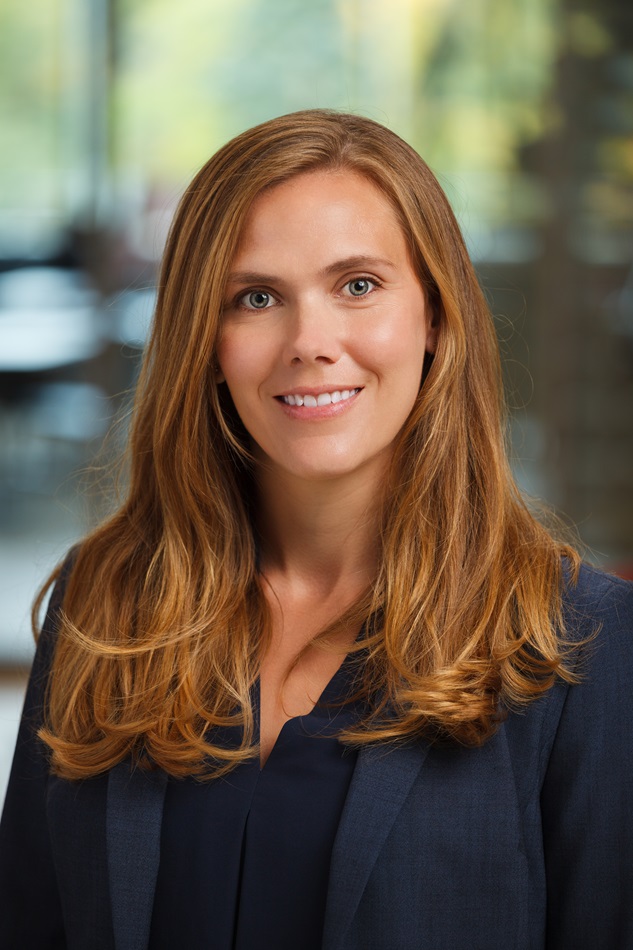
Alison Kriegel, PhD
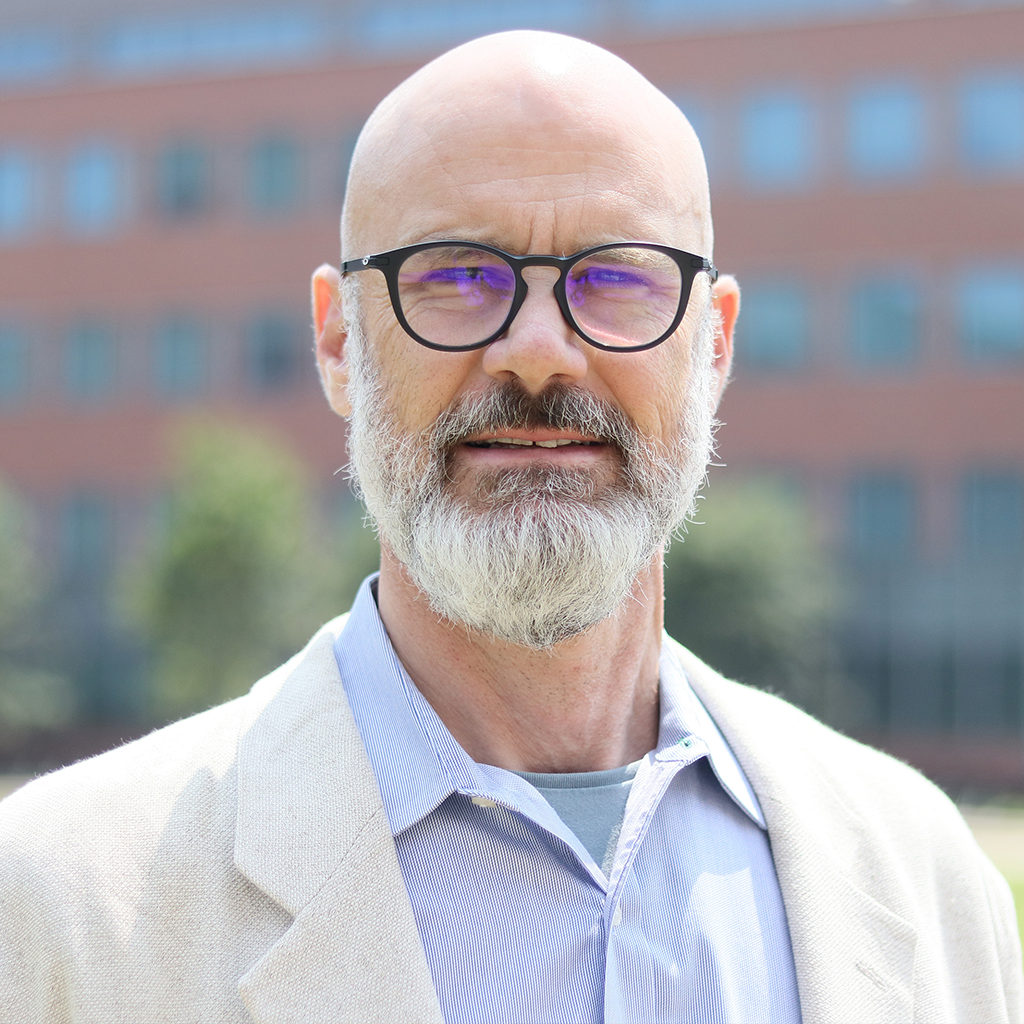
Guido Verbeck, PhD
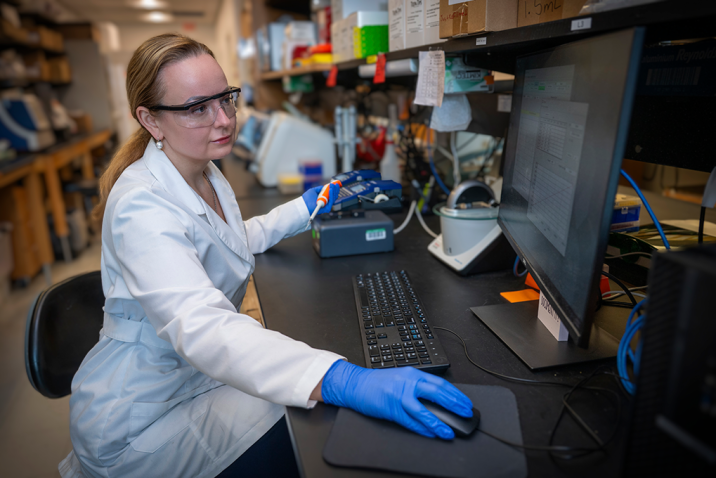
"It's a huge achievement and an honor," says Daria Ilatovskaya, PhD.
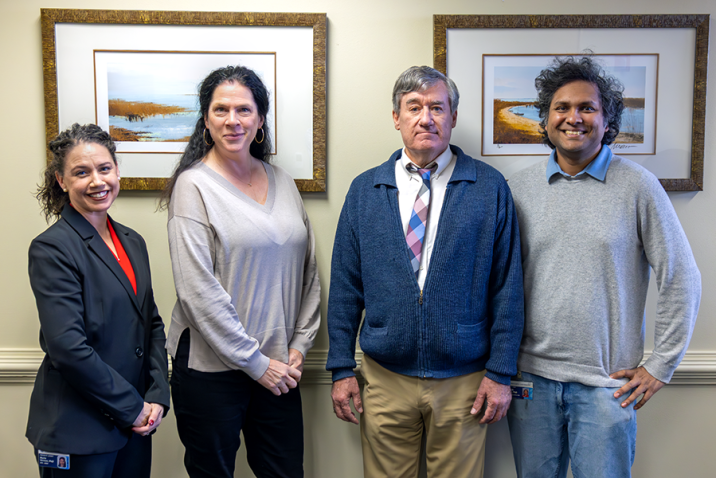
"The study highlights the very high prevalence of CKMS in the adult U.S. population, as well as differences by sex or gender across the lifespan," says Steven Coughlin, PhD.
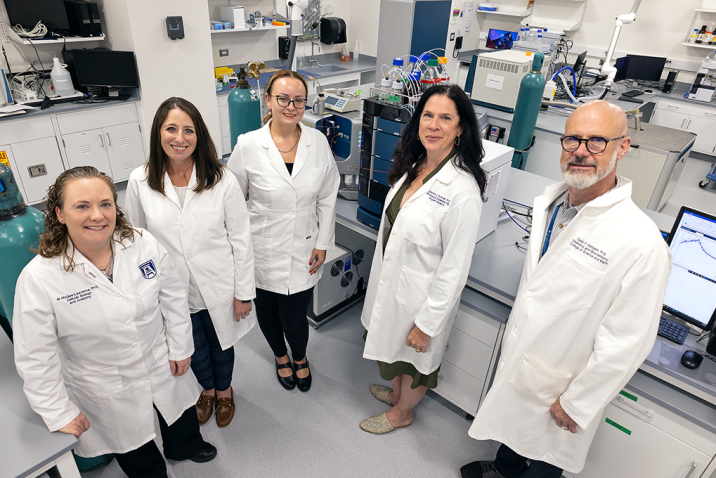
"If there's some sort of disorder in the body, you will see it in the fat metabolism," says Guido Verbeck, PhD.

"This grant is particularly impactful as we look to advance and improve the health of women, not just in Georgia, but for the entire country," says Jennifer C. Sullivan, PhD.