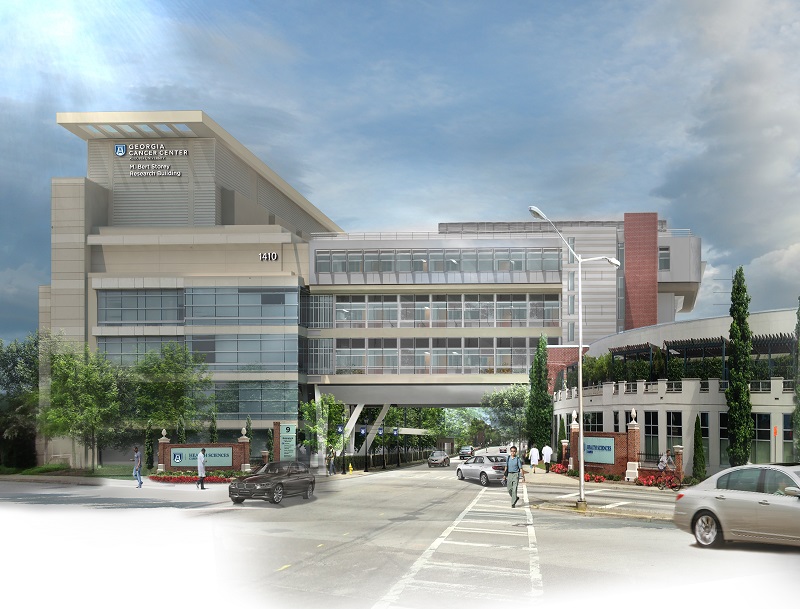
Georgia CaRES
Nationally, only about 5 percent of patients enrolled in clinical trials are minorities. Georgia CaRES (Georgia Cancer Research) is helping to change that paradigm.
Georgia CaRES is a National Cancer Center-funded initiative—one of only 12 nationally—that aims to provide minority and underserved cancer patients with more access to the latest cancer clinical trials and treatments, right in their own communities.
While discoveries start in a basic science lab, clinical trials are where the laboratory findings are translated to see how they can improve the treatment of cancer in patients. Clinical trials offer patients not only the standard of care chemotherapy but also the possibility of receiving treatment that could be more beneficial in the future.
According to the NCI, the overall goal of NCORP is to bring cancer clinical research studies to individuals in their own communities, thereby generating a broadly applicable evidence base that contributes to improved patient outcomes and a reduction in cancer disparities. Cancer care delivery studies look at the success and cost-efficiency of current cancer care practices.
The Georgia CaRES partnership network includes: Augusta Oncology Associates, DeKalb Medical Center in Decatur, Georgia Cancer Center in Augusta, Phoebe Putney Memorial Hospital in Albany, Morehouse School of Medicine in Atlanta and University Cancer & Blood Center, LLC in Athens.
The network also offers national pediatric cancer clinical trials right here in the state along with trials to help improve how cancer care is delivered.
Jump to: The Power of NetworkingThe Power of Clinical TrialsGeorgia CaRES News
Contact Us
Georgia CaRES
Health Sciences Campus
GCC - M. Bert Storey Research Building
GCC
1120 15th Street, CN-3151
Geri K. Whitaker, BS
Project Coordinator
706-721-2388
706-721-0101
The Power of Networking
Since 1994, the Georgia Cancer Center has led a partnership network focusing on bringing the latest cancer therapies to minorities and underserved patients. Most recently, the National Cancer Institute has provided the Georgia Cancer Center with a five-year grant to lead Georgia CaRES (Georgia Cancer Research), as part of its Community Oncology Program (NCORP).
The program is one of just 12 selected nationally and the state’s only minority/underserved cancer research program. The program brings clinical trials—previously available only at large academic medical centers—to community settings, which is where most cancer patients receive treatment.
According to the NCI, the five-year grants go to institutions and organizations that will ensure the latest scientific discoveries are translated into the most effective strategies to prevent, diagnose and treat cancer.
As a Minority/Underserved Community Site of the NCI Community Oncology Research Program (NCORP) network, Georgia CaRES:
Designs & conducts cancer prevention, supportive care and symptom management, screening, & surveillance clinical trials
Designs & supports health-related quality of life studies for patients on treatment trials
Designs & conducts Cancer Care Delivery Research (CCDR) studies
Participates in treatment & imaging clinical trials conducted by the NCI National Clinical Trials Network (NCTN)
Integrates health disparities research questions into NCORP studies
NCORP Minority/Underserved Community Sites have a patient population that includes at least 30 percent minority or rural residents
The Power of Clinical Trials
Georgia CaRES helps make available clinical trials for every type of cancer in both children and adults. Along with pharmacological trials offering the latest drug therapies, one-quarter of the Georgia CaRES trials focus on health care delivery. These trials examine how to improve cancer prevention, screening and symptom management, among other goals.
Thanks to clinical trials, patients have access to treatments that may be better than the current standard of care. In most parts of the United States, these types of treatments may only be offered at large cancer centers, but Georgia CaRES ensures these innovative care options are available right here in our state at community health centers, which are where the majority of cancer patients seek care.
It’s also important to realize that typically, minority patients make up only 5 percent of those enrolled in clinical trials. Thanks to Georgia CaRES, the minority accrual rate of its partnership network — which covers two-thirds of the state — is 45 percent. This means that more patients who need these treatments are able to benefit. As a result, Georgia CaRES is overcoming historic barriers that have stood in the way of minority and underserved cancer patients by opening up new opportunities to participate in clinical trials and other important cancer research.
Georgia CaRES News

Georgia Cancer Center receives $6 million grant to improve access to clinical trials in minority/underserved communities
Georgia Cancer Center receives $6 million grant to improve access to clinical trials in minority/underserved communities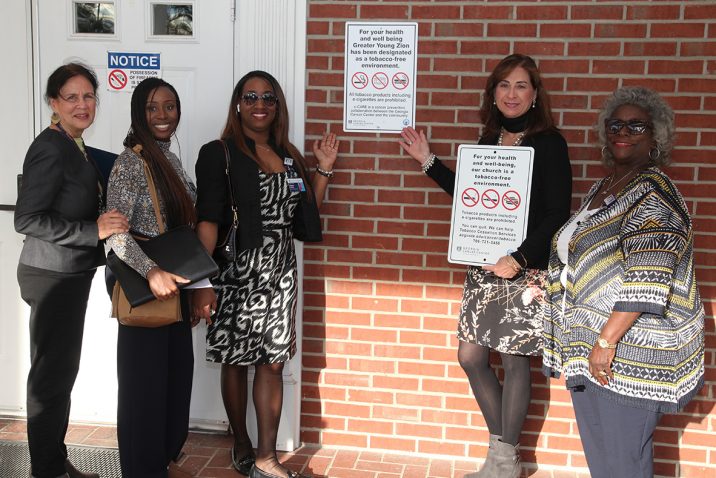
Georgia Cancer Center creates new position tasked with helping people make healthy life choices
Georgia Cancer Center creates new position tasked with helping people make healthy life choices