Back to Top
Apply Giving myAugusta
Resources for:
Students
Students Faculty & Staff Parents & Family Alumni Community
Augusta University Logo
  • Academics
    Graduates pose together in their regalia.
    Augusta University celebrates fall 2025 graduates »

    Academics Home

    Colleges & Schools

    Programs of Study
    • Degrees & Programs
    • Course Catalog
    • Course Schedule
    • Program Pathways
    • Academic Calendar
    • Online Programs
    • Accelerated Degree Programs
    Resources
    • Academic Success Center
    • Advising
    • Counseling Services
    • Honors Program
    • Libraries
    • Testing & Disability Services
    • Writing Center
    Outside the Classroom
    • Army ROTC
    • Study Abroad
    • Experiential Learning
    • First Year Experience
    • Center for Undergraduate Research
    • Career Services
    • Jags Live Well
  • Admissions
    Augusta University's jaguar mascot, Augustus, and two students hold their hands like a paw
    Augusta University awarded $1.3 million grant to expand student support »

    Admissions Home

    Visit Campus

    Request Information

    Apply to AU
    • First-Year Freshmen
    • Transfer Students
    • Dual Enrollment
    • Graduate Students
    • Medical College of Georgia
    • Dental College of Georgia
    Opportunities
    • Degree & Programs
    • Honors Program
    • Program Pathways
    • Military-Affiliated Students
    • New Student & Family Transistions
    • On-Campus Housing
    Financial Aid
    • Student Financial Aid
    • Net Price Calculator
    • Scholarships
    • Cost of Attendance
    • Apply for Federal Aid
  • Campus Life
    President Keen and First Lady stand with students to cut ribbon on outdoor rec center
    Center for Outdoor Recreation and Education celebrates grand opening »

    Campus Life Home

    Athletics

    Community
    • Army ROTC
    • Living-Learning Communities
    • Military & Veteran Services
    • Mentorship
    • New Student & Family Transistions
    • Jags 4 Jags Mentoring Program
    Campus Services
    • Dining Services
    • Roarstore
    • Housing
    • Student Health
    • Parking & Transportation
    • Jagcard
    Get Involved
    • Clubs & Organizations
    • Greek Life
    • Campus Recreation
    • Student Government
    • Jaguar Production Crew
    • Intramural Sports
  • Research
    Three men in suits stand in front of a Augusta University Medical College of Georgia backdrop and smile at the camera. The man in the middle is holding a plaque.
    MCG scientists investigate arthritis drug’s impact on Alzheimer’s disease »

    Research Home

    Opportunities
    • Undergraduate Research
    • Graduate & Postdoctoral Research
    • Clinical Trials
    • Core Laboratories
    • Innovation Commercialization
    Initiatives
    • Cancer
    • Cardiovascular
    • Immunology
    • Neuroscience
    • Aging
    Resources
    • Centers & Institutes
    • Ethics & Compliance
    • Institutional Review Board
    • Sponsored Programs
    • Tools for Researchers
  • About AU
    Five women and two men jump and raise their hands in celebration.
    AU contributed over $1.6 billion to Georgia’s economy in FY 2024 »

    About AU

    Jagwire News

    Leadership
    • President
    • Provost
    • Administration
    • Enrollment Student Affairs
    • Faculty Senate
    We are AU!
    • Our Mission
    • Working at AU
    • Traditions
    • History
    • Augusta, GA
    Resources
    • MyAugusta
    • Calendar of Events
    • Brand Guidelines
    • Portals
    • Faculty Directory
Resources For
  • Current Students
  • Faculty & Staff
  • Parents & Family
  • Alumni & Friends
Apply
Giving
MyAugusta
Trending Search Terms
  • D2L LMS
  • Email
  • Pounce
  • Calendar
  • Registrar
  • Housing
  • Academic Calendar
  • Financial Aid
  • Parking
  • Library
  • Human Resources
  • Information Technology
Medical College of GeorgiaPhysiology
Physiology
  • People
    • About the Chair
    • Administration
    • Current Fellows
    • Current Students
    • Former Graduates
    • Faculty
    • Faculty Job Opening
  • Education
    • About the Graduate Program
    • Awards and Honors
    • Brochure
    • Courses
    • Handbook
    • Summer Seminar Series
    • Virendra B. Mahesh Lectureship
    • Start Your Application
    • Postdoctoral Fellows
    • Awards and Honors
    • Lois T. Ellison Lectureship
    • Summer Seminar Series
    • Master of Science - Medical Physiology Program
    • Medical Physiology Program Structure & Overview
    • MS Medical Physiology Student Handbook 2022
  • Research
    • Research Opportunities for Clinicians
    • Cardiovascular
    • Diabetes
    • Endocrine
    • Neuroscience
    • Renal Physiology
    • Research Opportunities for Clinicians
    • Physiology Department History
    • Physiology Seminar Series
    • Summer Seminar Series
    • Lois T. Ellison Lectureship
    • Robert B. Greenblatt Lectureship
    • Virendra B. Mahesh Lectureship
    • Thomas G. Muldoon Memorial Lectureship
  • News
    • Physiology News
    • Physiology Newsletter
    • Physiology News Archive
  • Augusta University
  • Colleges & Schools
  • Medical College of Georgia
  • Physiology
  • Cardiovascular

Physiology Research - Cardiovascular

Cardiovascular diseases are the leading cause of death in the United States. Understanding the basic and pathological mechanisms underlying cardiovascular disease and searching new ways to prevent and treat cardiovascular disease is a major focus of the Department of Physiology. Faculty in the department study the cardiovascular system from multiple perspectives. The Department offers an advanced Cardiovascular Physiology and Pharmacology course.

Regents' Professor Dr. Michael Brands directs a National Institutes of Health funded Research Program Project Grant examining the role of inflammation in cardiovascular disease. 
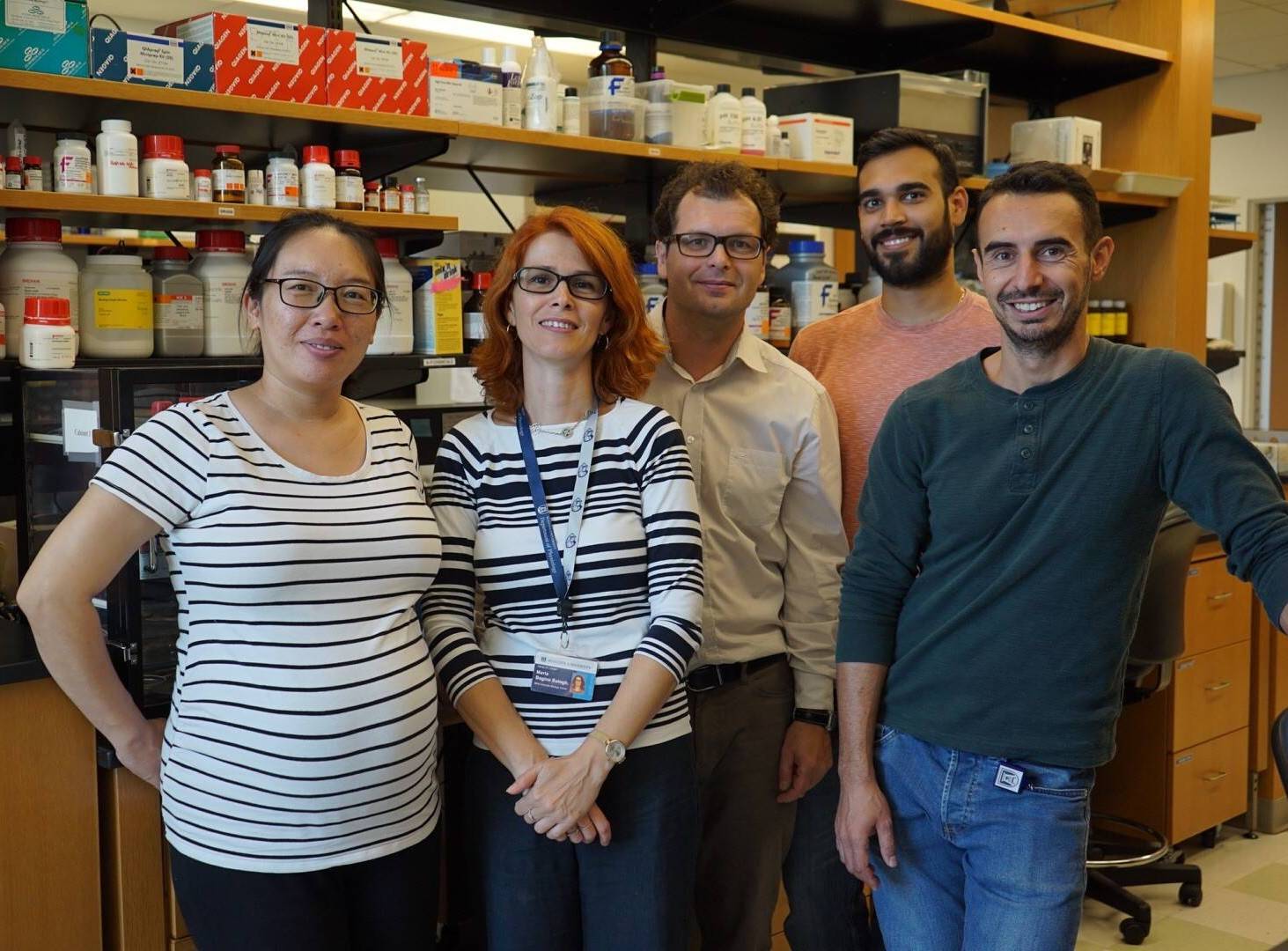
Zsolt Bagi, MD, PhD - Professor - Physiology

706-721-3423 /  zbagi@augusta.edu    /     CV 

Our studies in the Bagi Lab focus on the investigation of the function of small blood vessels. We want to develop a greater understanding of how coronary resistance arteries are controlled in health and disease, and how dysfunction of arteries contribute to organ failure. Our goal is to discover new vascular targets for therapeutic intervention of coronary heart disease and heart failure.
Dr. Bagi's Publications

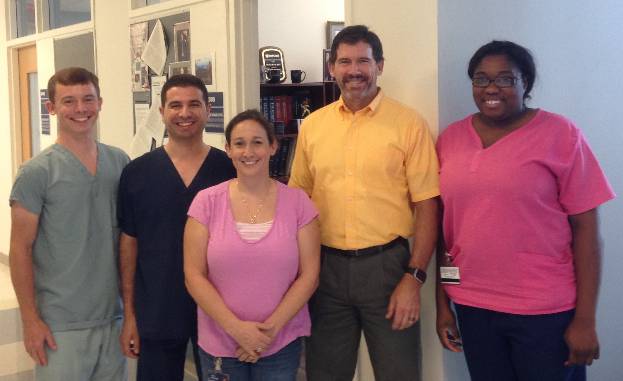
Michael Brands, PhD - Regents' Professor - Physiology

706-721-9785 /  mbrands@augusta.edu  /  CV 

Cardiovascular-renal integrative physiology and hypertension. Longstanding interest in renal and hormonal mechanisms for chronic blood pressure and circulatory system control in states of insulin resistance, hyperinsulinemia, and diabetes.
Dr. Brands' Publications

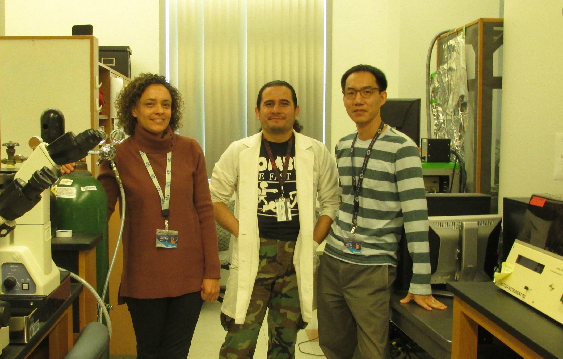
Jessica Filosa, PhD - Professor - Physiology

706-721-8901 /  jfilosa@augusta.edu  /  CV 

My major research interest is to gain understanding of the signaling mechanisms governing bi-directional communication among the various cell types within the brain. In particularly, I am interested in the communication between neurons and their surrounding glial and vascular cells. Recent findings have demonstrated an important role for astrocytes as intercellular bridges between the state of neuronal activity and vascular dynamics (or neurovascular coupling). These findings have led to a number of different hypotheses addressing the potential role astrocytes have in neurovascular coupling.

Dr. Filosa's Publications

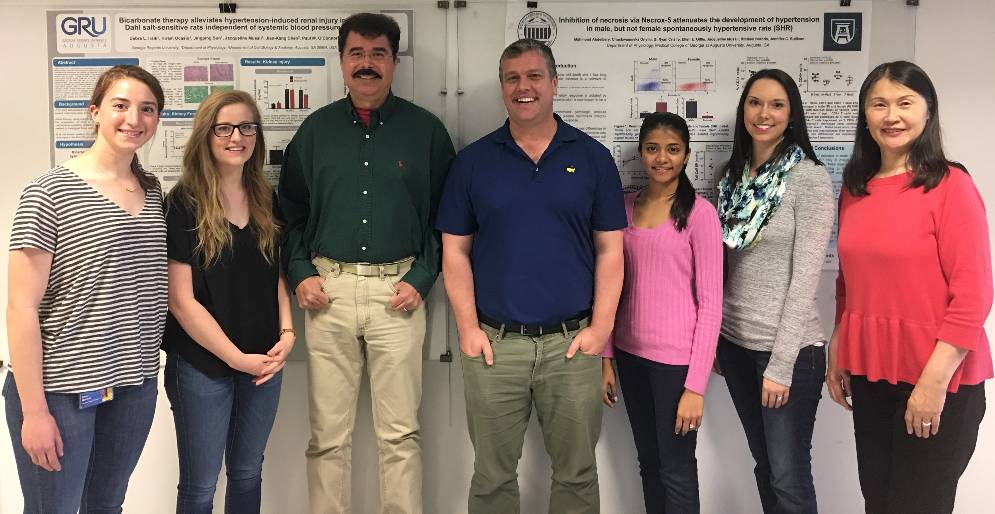
David Mattson, PhD - Department Chair and Professor

706-721-7742 /  dmattson@augusta.edu  /  CV 

Studies in the Mattson laboratory examine the normal and pathophysiological regulation of renal function and arterial blood pressure. A particular emphasis is placed on the paracrine, autocrine, and hormonal regulation of renal tubular and vascular function. Additional studies are geared toward an understanding of the genetic basis of hypertension and renal disease.
Dr. Mattson's Publications

Paul O'Connor, PhD - Associate Professor - Physiology

706-721-7890 /  paoconnor@augusta.edu  /  CV 

Our laboratory’s primary research interests lie in the physiological pathways involved in the regulation of kidney function and how disruptions in these pathways can lead to disease. Recently our laboratory has also become interested in the mechanisms through which splenic anti-inflammatory pathways regulate the innate immune response.
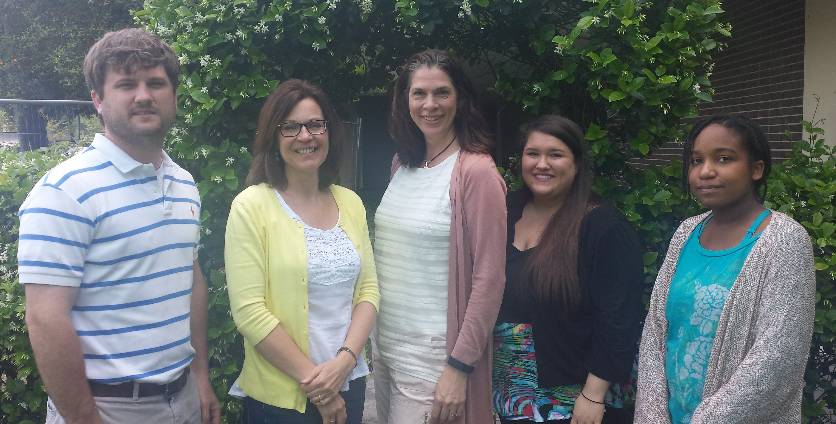
Dr. O'Connor's Publications

Jennifer Sullivan, PhD - Professor - Physiology

706-721-9796 /  jensullivan@augusta.edu  /  CV 

The overall goal of my laboratory is to better understand the molecular mechanisms that regulate blood pressure in males and females under both physiological and pathophysiological conditions, including hypertension. Traditionally, it has been assumed that blood pressure control and the basis of hypertension is the same in males and females; just the magnitude of the response differs. However, based on the vast number of differences that have been identified in cardiovascular physiology, pathophysiology, and pharmacology between the sexes, there is growing evidence to suggest that the pathways by which males and females develop cardiovascular and renal diseases may be distinct. Ongoing studies are focused on 3 pathways involved in blood pressure control and cardiovascular function: the renin angiotensin system (RAS), the nitric oxide (NO) pathway, and inflammation.
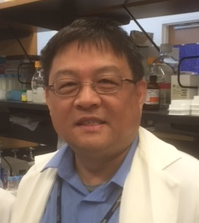
Dr. Sullivan's Publications

Mong-Heng Wang, PhD - Associate Professor - Physiology 

706-721-3830 /  mwang@augusta.edu  /  CV 

I have worked in the field of cytochrome P450 (CYP)-derived eicosanoids in cardiovascular diseases, renal diseases, and diabetes for more than 20 years. Throughout these years we have identified new compounds and pathways and elucidated their biological activities and their therapeutically potential for treatment of cardiovascular and diabetes-associated disorders.
Dr. Wang's Publications


research image


  Science literacy is the artery through which the solutions of tomorrow's problems flow. 
-
 Neil deGrasse Tyson


Close coordination with members of the Vascular Biology Center and Georgia Prevention Institute ensures a highly collaborative environment.
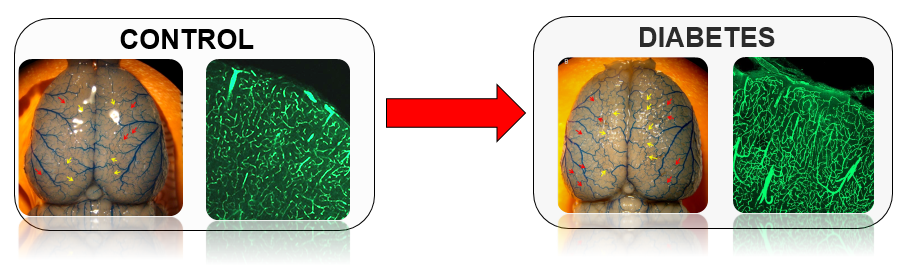
Dr. Adviye Ergul Research ImageAbove: Diabetes promotes excessive yet immature new vessel formation in the brain. Both the number of  collaterals (shown as red and yellow arrows) on the surface of the brain as well as the vascular density within the brain parenchyma (green dye) are increased in diabetes.   Photo provided by Dr. Adviye Ergul, a former Regents' Professor with the Department of Physiology.

University Shield

Augusta University

1120 15th Street, Augusta, GA 30912

  •   Campus Maps
  •   Campus Contacts
  • A-Z Directory
  • Degrees & Programs
  • Employment
  • Accessibility
  • Accreditation
  • Campus Safety
  • Compliance Hotline
  • Human Trafficking Notice
  • Privacy Notices
  • Title IX / Sexual Misconduct
Apply Now Give Now

© 2025 Augusta University

Facebook Twitter LinkedIn Youtube Instagram
©