
Comprehensive Epilepsy Program
The Medical College of Georgia at Augusta University is home to one of the leading epilepsy centers in the country. Our objective is for our adult and pediatric epilepsy patients to live "seizure free".
Since 1977, MCG's epilepsy program has been a nationally recognized referral center and has performed thousands of epilepsy-related surgeries. The National Association of Epilepsy Centers recognizes the Augusta University Comprehensive Epilepsy Program as a Level IV center, the highest designation given. Patients and their families benefit from the most up-to-date technology available in the area.
Over two million people in the United States are diagnosed with epilepsy, a syndrome marked by recurrent seizures. As a result of new medical and surgical advances, freedom from seizures is now a realistic possibility for most patients with epilepsy.
Jump to: Epilepsy Team
Clinical Epilepsy Program
Diagnosis Technology
Subtraction ictal SPECT co-registered to MRI (SISCOM)
Magnetic resonance imaging (MRI)
Electroencephalography
Positron emission tomography (PET)
Computerized tomography (CT)
In-patient video EEG epilepsy monitoring: stereo EEG and depth electrodes or subdural electrodes
Treatments
Clinical Trials
We are currently enrolling patients in epilepsy research studies.
For 1 month to less than 4 years with any seizure type continuing to have seizures while using 1-4 seizure medications: An open-label study with an extension phase to evaluate the pharmacokinetics of perampanel (E2007) oral suspension when given as an adjunctive therapy in subjects from 1 month to less than 4 years of age with epilepsy.
For newborns up to 28 days of age with seizures: A multicenter, open-label, randomized, active comparator study to evaluate the efficacy, safety, and pharmacokinetics of lacosamide in neonates with repeated electroencephalographic neonatal seizures.
For 2 to 25 years have childhood or juvenile absence seizures not currently treated with other seizure medications: A randomized, dose-finding and confirmatory, double-blind, placebo-controlled, parallel-group multicenter study with a 2-stage adaptive design and randomized withdrawal to evaluate the efficacy, safety, and tolerability of brivaracetam as monotherapy in patients 2 to 25 years of age with childhood absence epilepsy or juvenile absence epilepsy.
Meet Our Epilepsy Team
Adult Epilepsy





Child Epilepsy

Interest: epilepsy surgery evaluation in children, Anti-epileptic drug trials, Narcolepsy in children

Department News
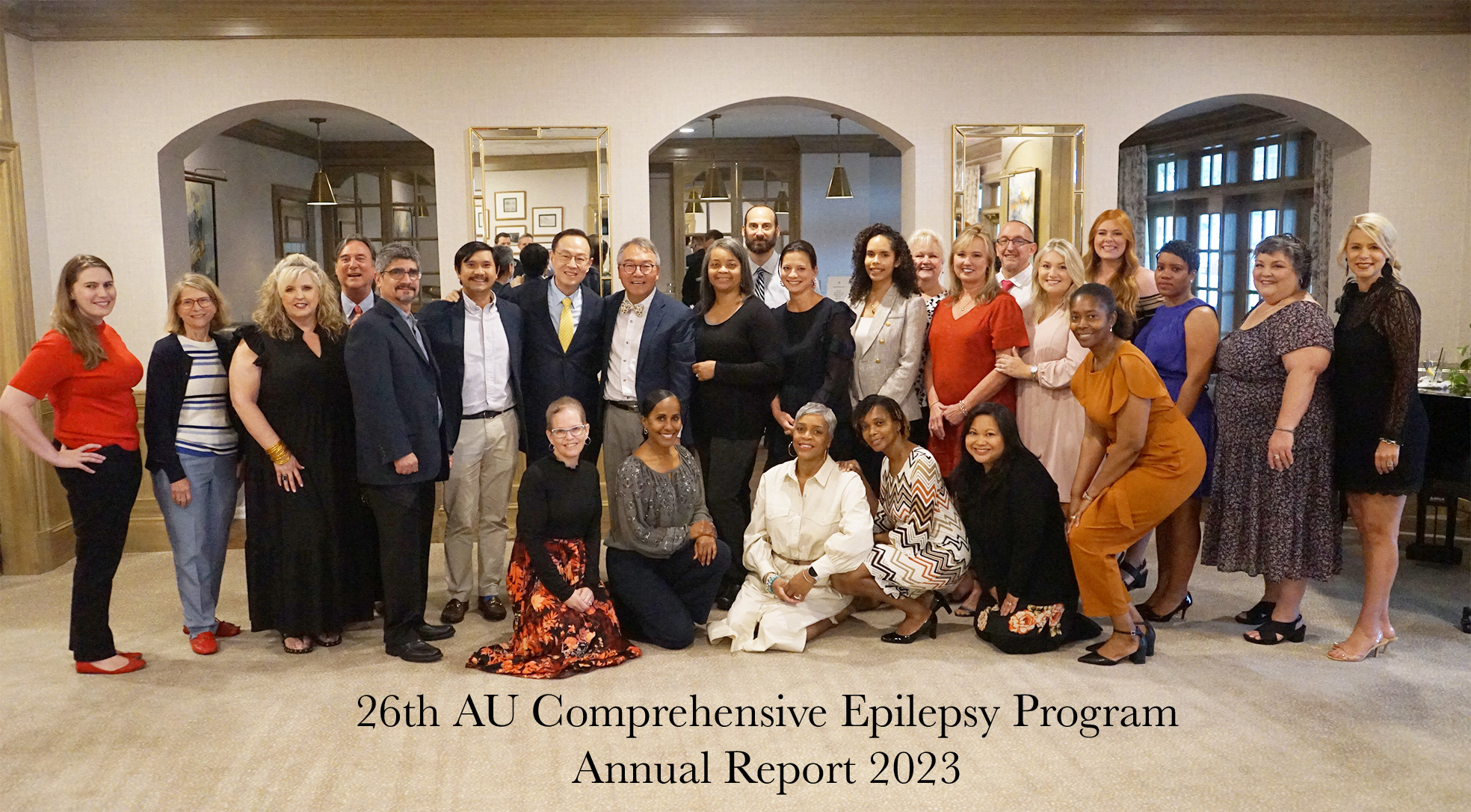
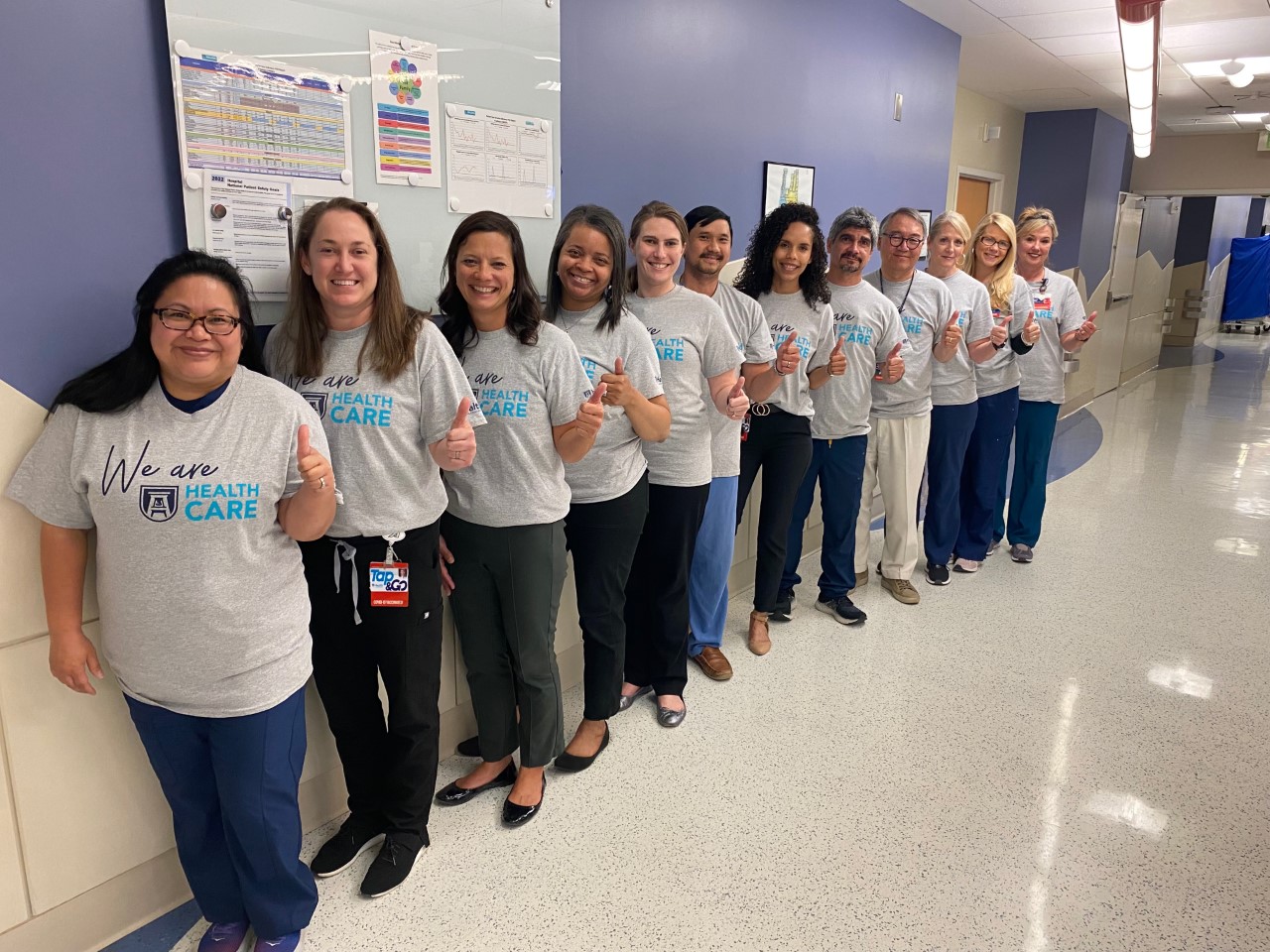
Our Level IV NAEC Certified Comprehensive Epilepsy Center Loves to Celebrate Epilepsy Awareness Month

Epilepsy Patient Video
EEG Scavenger Hunt Series
Free educational resource from your friends at BrainyMD: Science of Greatness at www.brainymd.com.