Faculty Research Profiles
Explore the research interests of our faculty and discover how you can get involved in undergraduate research.
Getting involved in undergraduate research enhances learning and critical thinking, provides hands-on experience, improves career prospects and competitiveness for graduate school, develops valuable transferable skills like communication and problem-solving, and fosters confidence and professional networks with faculty and peers. It allows students to apply classroom knowledge to real-world problems and discover new interests and potential career paths. Students should get to know the faculty who are doing research in our department and reach out to them for more information about their research interests and if they have space for a student research assistant.
Once the student has found a research opportunity they can reach out to Dr. Tadd Patton for more details and instructions on how to register for Undergraduate Research (PSYC 4990).
Kelley Aucello, PsyD
Research Subject Area: Child and Adolescent Clinical and School Psychology
Current Projects: In school-based settings, I am deeply invested in researching neurodevelopmental disorders (i.e., autism spectrum disorder, attention-deficit/hyperactivity disorder, dyslexia) and learning processes, aiming to enhance educational outcomes through evidence-based assessment and intervention strategies. I believe that understanding how neurodevelopmental differences impact learning can lead to more inclusive and effective educational practices.
Contact Dr. Kelley Aucello for more information on this research.

Michael Katz, PhD
Research Subject Area: Psychotherapy process and outcome, with a focus on therapeutic techniques, emotional expression, and patient experiences, grounded in psychodynamic-relational thought and attachment theory
Current Projects: I have studied two main areas to date. The first is how psychotherapy techniques predict treatment process and outcome; the second is how crying experiences in therapy relate to treatment variables and patient attachment. Emerging projects include crying in relationships, grief in therapy, and psychotherapy preferences. My research uses survey methods, analyses of expert therapist video databases, and mixed-method studies of psychotherapy sessions. I enjoy working with students on projects that integrate their interests with my ongoing research.
Contact Dr. Michael Katz for more information on this research.

Kailea Q. Manning, PhD
Research Subject Area: Motivation and technology adoption among faculty in higher education
Current Projects: My research draws on social and educational psychology to examine the motivational processes underlying how faculty adopt, or resist adopting, new technologies. I am particularly interested in how generative AI is reshaping teaching, learning, and academic research in higher education, with a current project focused on how faculty motivation and technology perceptions shape GenAI adoption across teaching and research efforts. This interest extends to developing SOTL (scholarship of teaching and learning) informed interventions and practices that support faculty and student success. I believe that understanding how faculty engage with emerging technology, and what motivates that engagement, offers important insight into how we can better support faculty and, in turn, students alike.

Laurence Miller, PhD
Research Subject Area: Experimental Psychology
Current Projects: I am currently engaged in research on two topics within the broader field of experimental psychology. One project examines pain-related disruption of behavior and variables impacting the ability to drugs to treat this clinically-relevant consequence of pain. The other project uses techniques from the experimental analysis of behavior to examine the role of musical variables such as tonality and meter in an operant choice model of music preference.
Contact Dr. Laurence Miller for more information on this research.
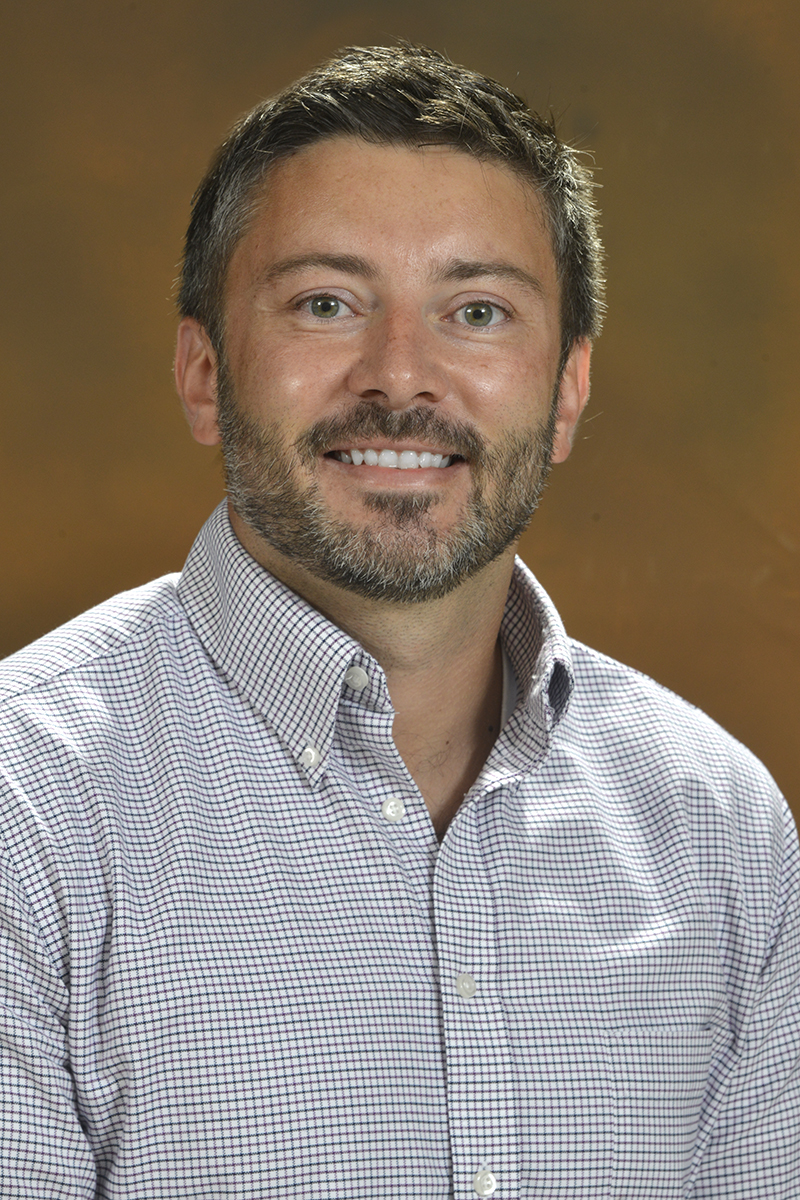
Tuong Vy Cac Nguyen, PhD
Research Subject Area: Social Psychology
Current Projects: My research program examines the perspective of majority and marginalized individuals through three interrelated lines of research that focus on how the experiences of being stigmatized influence individuals’ health and well-being, how the intersectionality of identities (e.g., being a Black woman versus a Black man) influence individuals’ experiences, and how marginalized individuals view members of the majority and other marginalized individuals.
Contact Dr. Vy Cac Nguyen for more information on this research.

Tadd Patton, PhD and Sabina Widner, PhD
Research Subject Area: Childhood adversity and well-being in adulthood
Current Projects: Our research program examines the relationship between adverse childhood experiences (ACEs) and their apparent negative effect on the psychological and physical well-being that emerges in adulthood. Despite a rapidly growing body of literature supporting a link between ACEs and later health issues, the nature of these relationships remains unclear. To gain a deeper understanding of this issue, we are investigating if and how several variables, including benevolent childhood experiences, gender, coping, and perceived stress, may be involved.
Contact Dr. Tadd Patton or Dr. Sabina Widner for more information on this research.

A. Drew Pierson, PhD
Research Subject Area: Clinical and Counseling Psychology; Psychotherapy; Psychological Assessment; Personality development, pathology, and assessment; Multicultural Psychology
Current Projects: Performance-based assessment of personality utilizing the TAT (with Dr. Slavin-Mulford); Experiences, well-being, and resilience among psychology trainees; identity development, resilience, and relationships among marginalized communities; Mixed-methods in psychology.
Contact Dr. A. Drew Pierson, APIERSO1@augusta.edu, for more information on this research.

Deborah Richardson, PhD
Research Subject Area: Social Psychology, Motivation, Human Aggression
Current Projects: There are two very different foci to my research program. (1) We are currently analyzing data and writing manuscripts from the Mindset and Motivation lab. We have studied how students' perceptions of faculty mindset affect their expectations for a course, self-efficacy, and sense of belonging, and we have examined the relationship of student motivation to persistence in STEM majors. (2) We are conducting a scoping review of research on everyday aggression which focuses on aggressive behaviors in voluntary close relationships (i.e., marital or dating relationships, friendships).
Contact Dr. Deborah Richardson for more information on this research.
Jenelle Slavin-Mulford, PhD
Research Subject Area: 1) Personality Assessment especially through the use of dreams, early memories, and other narrative data; 2) Psychotherapy Process and Outcome
Current Projects: Dr. Slavin-Mulford is actively recruiting new graduate students to join her lab for the 2027–2028 academic year. She believes that true mentorship focuses on holistic growth—supporting students both as individuals and as developing professionals. Her approach pairs a supportive, collaborative environment with hands-on training to equip students with the tangible skills needed to excel in a doctoral program or future career. While scientific rigor is central to the lab's mission, human relationships and student well-being always come first. Students are actively supported in earning co-authorship on conference presentations and peer-reviewed publications. To learn more about the lab’s ongoing research and to view past student involvement, prospective students are encouraged to review Dr. Slavin-Mulford’s CV where an asterisk (*) indicates a student author.
Contact Dr. Jenelle Slavin-Mulford for more information on this research. Check out her CV here.

Ric Topolski, PhD
Research Subject Area: Experimental Psychology
Current Projects: Dr. Topolski is currently working on writing up past projects. His research topics include but are not limited to visual processing, training outcomes, medical outcomes, and moral reasoning.
Contact Dr. Ric Topolski for more information on this research.
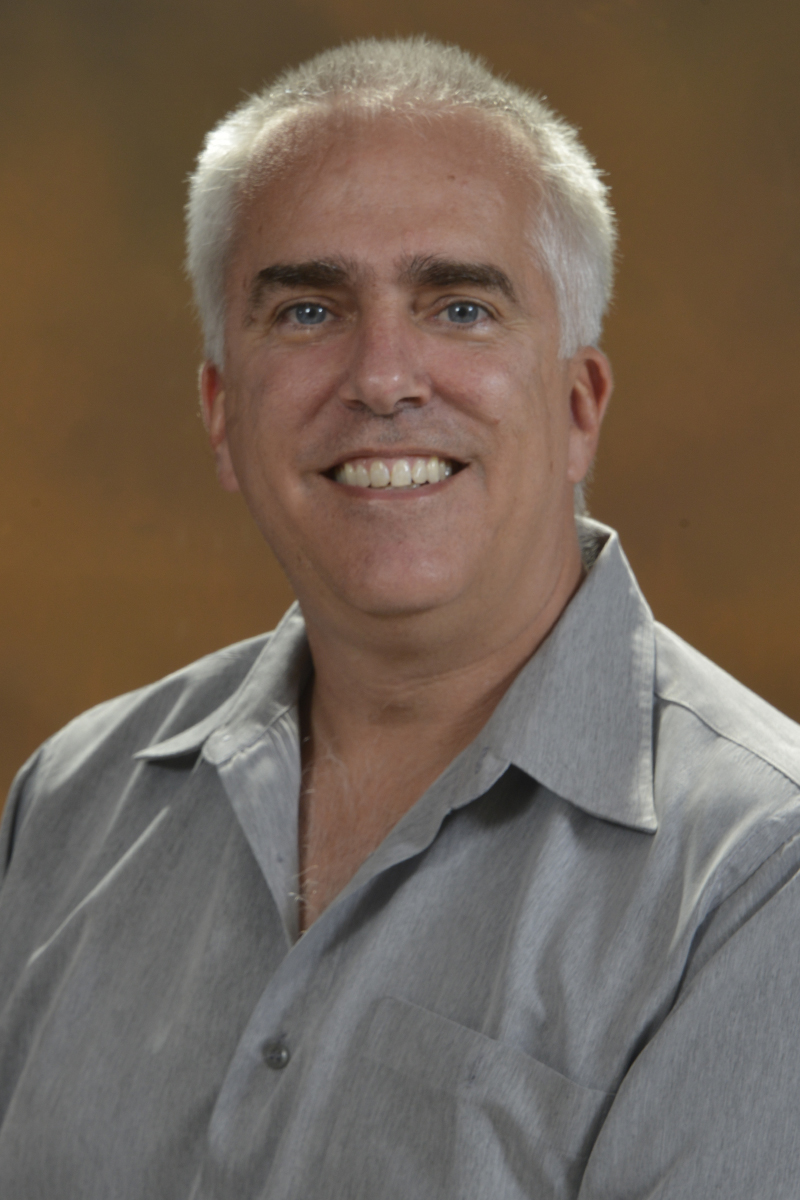
Sabina Widner, PhD
Research Subject Area: Resilence Lab
Current Projects: Examination of the relationship between a number of predictors including resilience on adjustment to college in first time freshmen students. Other variables under study include perceived stress, social support, distress tolerance, and a sense of college belongingness.
Contact Dr. Sabina Widner for more information on this research.