As medical technology advances, health care professionals can do more to serve their patients. However, this growth in technology means that people need to manage the new software, systems and updated processes. These innovations also generate large amounts of data. Health informatics operates at the intersection of health care, computer science and information technology (IT), using that data to improve patient care and monitor public health.
Health informatics analysts help collect, manage and interpret data and maintain the systems that store that information. For health professionals interested in this evolving field, a Master of Public Health (MPH) can offer insight into the role that data plays in modern health care.
What Is the Role of a Health Informatics Analyst?
Modern health care systems generate large amounts of data every day -- electronic health records (EHRs), medical notes, diagnostics, lab results, pharmacy records -- that can be used to improve individual patient care and identify larger demographic and societal trends.
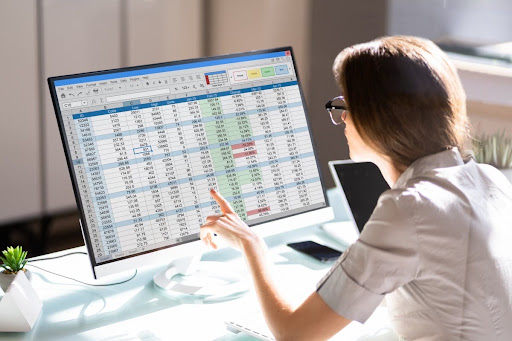
Health informatics analysts focus on retrieving and interpreting that data to improve patient care and health care services.
Health informatics is so important because it gives doctors, nurses, care facility managers and other health care professionals the tools and information to improve health services. Health informatics analysts use tools such as Structured Query Language (SQL) to look for patterns and insights in areas such as disease spread, treatment outcomes and length of hospital stay. These findings inform hospital workflows, product updates and patient services.
Where Do Health Informatics Analysts Work?
Health informatics analysts work in a range of environments, from health care providers to government agencies.
Many health informatics analysts work directly for health care facilities such as hospitals, medical offices and skilled nursing facilities, as well as for companies that provide third-party services. They track data to identify overall patterns and ways to create better experiences. For example, if patient discharge times after simple procedures are overly long, a health informatics specialist might bring that finding to hospital leadership to discuss ways to ameliorate the problem. Shorter discharge times both improve the patient experience and free up beds for higher-priority cases.
Analysts who work with public health or governmental organizations are often looking at disease and health trends, managing vast amounts of data and taking the long view of health information. Those working for insurance companies may analyze medical claims to make approval and payment recommendations, identify suspicious billing patterns and set premium rates.
What Does It Take to Become a Health Informatics Analyst?
Health informatics analysts work cross-functionally in complex environments, so they need a strong combination of education and training to succeed.
Education and Experience
Entry-level and mid-level health informatics analyst positions typically require a bachelor's degree in public health, IT, computer science, or another data- or technology-related field. Experience in health care IT or records management can help develop experience with the complex data systems that the field relies on.
Senior, managerial and specialized roles often require an advanced degree, such as an MPH with a concentration in informatics. Graduate students in these programs study the changing landscape of public health, research strategies, solutions-oriented data analysis and patient-centric guidance to public health problems.
Skills and Responsibilities
Health informatics analysts need a variety of technical and dynamic skills to make research-based recommendations and support daily problem-solving.
The core skills analysts rely on include:
- Fluency in health data systems
- Programming expertise in SQL, Python and Java
- Ability to resolve common IT issues
- Data management
- Data visualization dashboard creation
Analysts are also responsible for ensuring that they manage data securely.
Health Informatics Analyst Salary and Job Growth
The median annual salary for health information technologists and medical registrars, including health informatics analysts, was $68,020 in 2025, according to the U.S. Bureau of Labor Statistics (BLS). According to Payscale, the median annual salary for health informatics specialists was about $80,000 as of May 2026. Salaries can vary by location, education, experience, type of company and other factors.
The BLS projects employment of health information technologists and medical registrars to grow 16 percent between 2025 and 2035, with about 3,000 openings each year, on average.
Start Your Journey Toward Becoming a Health Informatics Analyst Today
Health informatics is a field that requires adaptability and contributes to improving public health. Also, with the modern health care system's increasing dependence on data to improve care, maximize efficiency and track emerging health trends, a career in health informatics can offer both opportunity and stability.
Augusta University Online's MPH provides flexible online classes to help working professionals advance their careers. In the health informatics concentration, coursework focuses on large-scale health data topics such as epidemiology, environmental science and public health laws. The practical skills focus on the fundamentals of data management, from data mining to IT automation.
Learn more about AU Online's MPH program and kick-start your health informatics analyst career today.
Recommended Readings
4 Government Resume Tips
How Does Disease Surveillance Work?
What Does a Public Health Administrator Do?
Sources:
Indeed, Health Informatics Jobs (With Definition and Skills)
Indeed, What Is Health Informatics? (Career and Skills Guide)
Payscale, Average Health Care Analyst Salary
Payscale, Average Health Informatics Specialist Salary
The Budget Lab, "How Surprising Is the Role of Healthcare Employment Growth in Today's Labor Market?"
U.S. Bureau of Labor Statistics, Health Information Technologists and Medical Registrars
ZipRecruiter, What Is an Informatics Analyst and How to Become One