
David Maridas
Assistant Professor
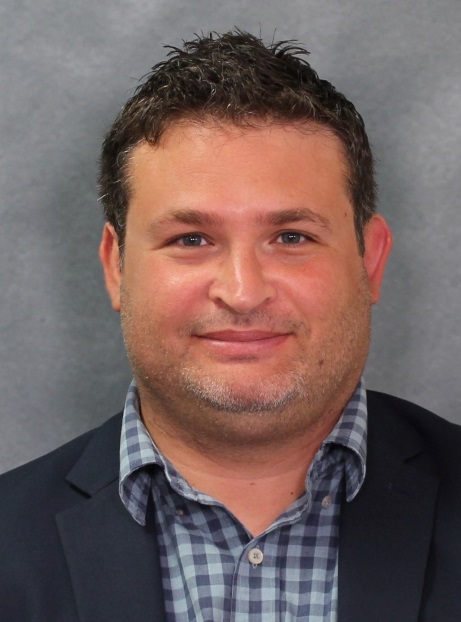
David Maridas
Assistant Professor
Academic Appointment(s)
Medical College of Georgia
Department of Cellular Biology and Anatomy
Administration
Department of The Graduate School
- DMARIDAS@augusta.edu
- (706) 721-1958
- CB1116A
Education
-
Ph.D., Biomedical Sciences, General University of Maine, 2017
-
MPHIL, Human/Medical Genetics University of Sydney, 2011
-
MS, Human/Medical Genetics University of Sydney, 2011
-
BS, Biology/Biological Sciences, G University of New Caledonia, 2009
Courses Taught Most Recent Academic Year
-
ANAT 8050
Graduate Histology
-
ANAT 9210
Invest of a Problem
-
ANAT 8120
Cell Biology Techniques
-
ANAT 8090
Current Topics in Cellular Bio
-
ANAT 9020
Seminar in Cell Bio/Anatomy
-
MEDI 6120
Foundations of Medicine
Teaching Interests
I am particularly interested in teaching anatomy and molecular/cell biology to undergrad, graduates, and medical students. I am also committed to training students in techniques characterizing diseases and physiology of the musculoskeletal system.
Scholarship
Selected Recent Publications
- Acute regulation of murine adipose tissue lipolysis and insulin resistance by the TGFβ superfamily protein GDF3., 2025
Journal Article, Academic Journal - Complex Regulatory Interactions at GDF5 Shape Joint Morphology and Osteoarthritis Disease Risk., 2025
Journal Article, Academic Journal - Small animal DXA instrument comparison and validation., 2024
Journal Article, Academic Journal - Sfrp4 is required to maintain Ctsk-lineage periosteal stem cell niche function., 2023
Journal Article, Academic Journal - PPARγ agonist treatment reduces fibroadipose tissue in secondary lymphedema by exhausting fibroadipogenic PDGFRα+ mesenchymal cells., 2023
Journal Article, Academic Journal
Research Interests
My research program is focused on understanding the mechanisms causing age-related bone and muscle loss. Specifically, my laboratory investigates the TGF beta superfamily of ligands and its regulatory functions in musculoskeletal tissues. Our approach uses different genetic mouse strains and in vitro cell culture models to study the effects of manipulating ligands and receptors of the TGF beta superfamily on bone and muscle. The overarching goal of our research is to discover new ways of treating age-related musculoskeletal frailty