What procedures will require testing of patients?
- All aerosol-generating procedures (AGPs).
- Typical patient procedures that require rapid screening include:
- High-speed handpiece use in which a rubber dam can not be used to isolate
- Cavitron or other ultrasonic instrumentation
- If describing typical patient procedures that require rapid screening to a patient,
examples may include:
- Fillings
- Crowns
- Sealants
- Cleanings using special instruments (like a Cavitron)
Who will receive a rapid screen?
- All patients requiring AGPs unless a rubber dam can be utilized.
What procedures will not require a rapid screen?
- Non-AGP procedures, such as examinations, radiology services, impressions, treatment planning.
What is the difference between an antigen and molecular test?
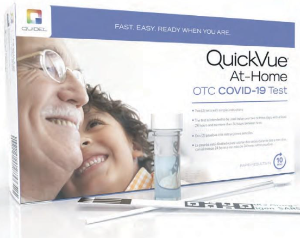
- Anantigen test, such as the QuickVue At-Home OTC COVID-19 Test, detects proteins from the virus. Molecular tests detect genetic material from the virus. Antigen tests are very specific for the virus, but not as sensitive as molecular tests.This means that a positive result is highly accurate, but a negative result does not rule out infection.
What if a patient has a positive screening result?
- Move patient to private consultation room and attending faculty advises patient that procedure can’t be performed and patient should seek guidance from a health care professional.
What dental procedures will be provided to patients that have positive rapid screen?
- Urgent procedures will be performed in negative pressure room at AU Health.
Which external tests will be accepted?
- Accepted tests are those administered by healthcare provider only. Negative results from a home screening test will not be accepted. Patients with positive results from a home test should have appointments rescheduled and will not be treated.
What is the time frame to accept external test results?
- 48 hours before their DCG appointment unless appointment is scheduled Monday or Tuesday, in which case 72 hours.
Are there instructions for patients?
- Yes. Written and video instructions are available.
Are there instructions for providers?
- Yes. Written and video instructions are available.
Should I use a procedure code or make any additional chart notes in Axium?
- Yes. Along with recording rapid screening results within the patient's Medical History (EHR -> Medical History -> Vitals), providers will need to record a procedure code and clinical note in the patient's Tx History in order to generate a charge.
- Code to be used: D0604. Patient is not required to sign.
- Suggested notation:
-
Negative result: A rapid screening was performed today using the QuickVue self-administered system. The results of the rapid screening was negative. Patient was informed that this does not mean that the patient is negative for COVID-19 and if they have symptoms consistent with COVID-19 they need to see their healthcare provider.
-
Positive result: A rapid screening was performed today using the QuickVue self-administered system. The results of the rapid screening was positive . Patient was informed that this does not mean that the patient is positive for COVID-19 but were advised to see their healthcare provider for follow-up. The covering faculty/attending consulted with the patient to advise them on next steps and that the appointment for today would need to be rescheduled.
-
- If rapid screeningis negative, proceed with procedure.
- If rapid screeningis positive, move patient to private consultation room and give instructions about why the AGP procedure will be delayed and about following up with their healthcare provider.