Endocrine Fellowship
History
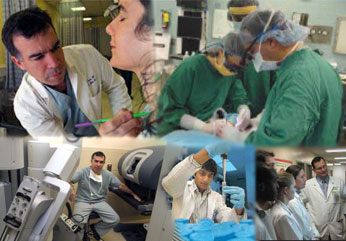
The Medical College of Georgia at Augusta University has a rich tradition of robust thyroid surgery, dating back to the era of Arlie Mansberger. The Thyroid-Parathyroid program was revitalized in 2004 with the inauguration of the Augusta University Thyroid- Parathyroid Center, which is a collaborative effort between Otolaryngology-Head and Neck Surgery, Endocrinology, and Nuclear Medicine.
The past 20 years have seen the advent of laryngeal nerve monitoring, endoscopic thyroid and parathyroid surgery, outpatient thyroidectomy and parathyroidectomy, and introduction of novel technologies like the ultrasonic advanced energy devices. Augusta University has quickly moved to the forefront of academic health centers in pioneering new surgical techniques and perfecting old ones.
Coincident with the development of a first-class endocrine surgery program, the comprehensive Head and Neck Tumor Board took shape (starting in the fall of 2002), and has become an acknowledged leader in the Southeast for the treatment of head and neck cancers.
With the amalgamation of the medical and surgical experiences in endocrine and head and neck surgery, it was natural that an Advanced Fellowship in Endocrine-Head and Neck Surgery should be developed. It was the second such fellowship fully accredited by the American Head and Neck Society.
Duration
The Endocrine Head and Neck Surgery fellowship is a one-year fellowship with an anticipated start date of July 1st each year.
Prerequisite Training/Selection Criteria
Applicants with one of the following qualifications are eligible for appointment to Augusta University Endocrine Head and Neck Surgery Fellowship:
- Board eligible/Board certified Otolaryngologists or General Surgeons trained in the United States or Canada.
- Graduates of Otolaryngology or General Surgery Residency Programs outside the United States and Canada who meet the following qualification: Have received a current valid certificate from the Educational Commission for Foreign Medical Graduates, and passed all steps of USMLE.
Fellows will be selected based on their ability and knowledge within the field of Surgery and Thyroid Diseases. There is specifically no discrimination on the basis of age, gender, ethnic background, religious beliefs, or sexual orientation. Recognizing the superb academic opportunities available within the department, and the institution at large, Augusta University particularly encourages applications from individuals with an interest and a proven track record of excellence in scholarly pursuits. All applications received by Augusta University are independently reviewed by at least two faculty members, and decisions regarding interviews are made by consensus.
Interested applicants should contact:
Contact Us
Endocrine Fellowship
1120 Fifteenth Street, BP-4109
Augusta, Georgia 30912-4060
706-721-6100
706-721-0112
Goals and Objectives of Training
The objective of this one-year fellowship is to provide a broad experience in the clinical and surgical aspects of thyroid and parathyroid diseases to interested and qualified applicants. Through our fellowship training we will develop leaders in the field who will help to improve current standards of patient care, educate others, and conduct cutting-edge research. This program is carried out in such a way as to collaboratively enhance the resident training experience.
The fellowship is designed to provide excellent training in the recognition, diagnosis, and medical and surgical management of thyroid and parathyroid diseases, with particular emphasis on minimally invasive and function-sparing techniques. Fellows will have exposure to ultrasound techniques and fine needle aspiration biopsies. The specific surgical techniques that will be included in the program are conventional, minimally invasive, thyroidectomy, conventional and minimally invasive parathyroidectomy, use of laryngeal nerve monitoring and ultrasonic advanced energy technology, and performance of central and lateral neck dissections.
Program Certifications
The Endocrine Head and Neck Surgery Fellowship is an AHNS-accredited program affiliated with the Department of Otolaryngology-Head and Neck Surgery at Augusta University and its ACGME-accredited residency program.
Resources
Teaching Staff
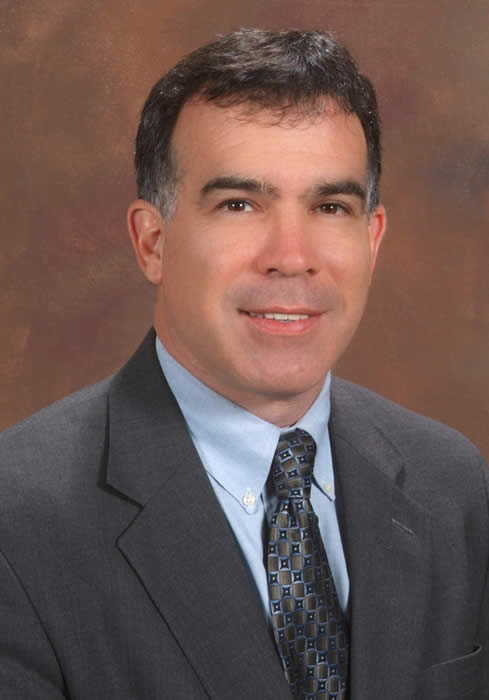
David J. Terris, MD, FACS
- Regents Professor
- Augusta University Thyroid & Parathyroid Center
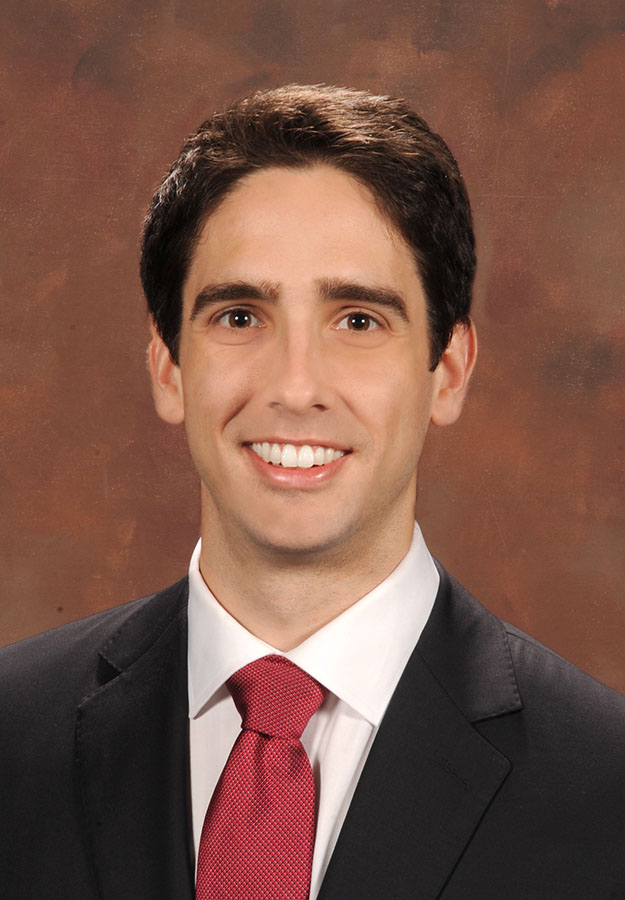
Daniel Sharbel, MD
- Assistant Professor
- Head & Neck Surgery
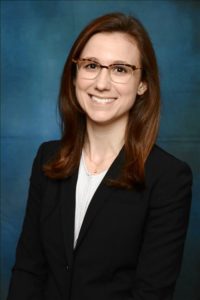
Sallie Long, MD
- Assistant Professor
- Head & Neck Surgery
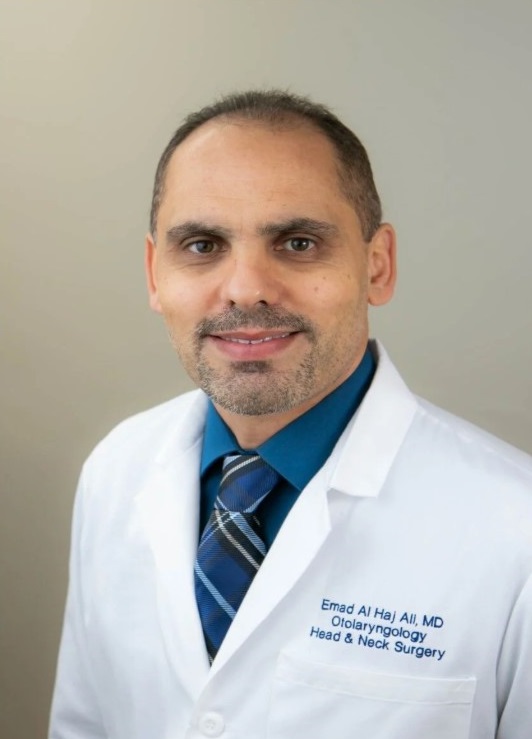
Emad Al Haj Ali
- Assistant Professor
- General Otolaryngology
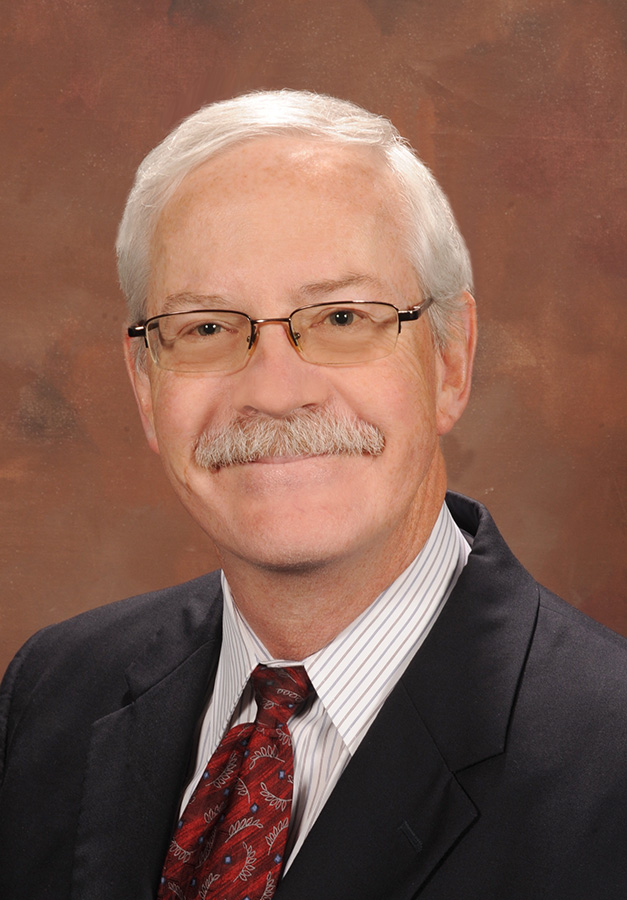
Greg Postma, MD
- Professor & Vice Chair
- Academic Affairs Chief
- Laryngology
Kenneth Byrd, MD
- Professor
- Vice Chair of Clinical Affairs
- Head & Neck Surgery
Matthew Nicholson, MD
- Division of Endocrine
Adam Davis, MD
- Division of Endocrine & Internal Medicine

Bridget Sinnott, MD
- Division of Endocrine
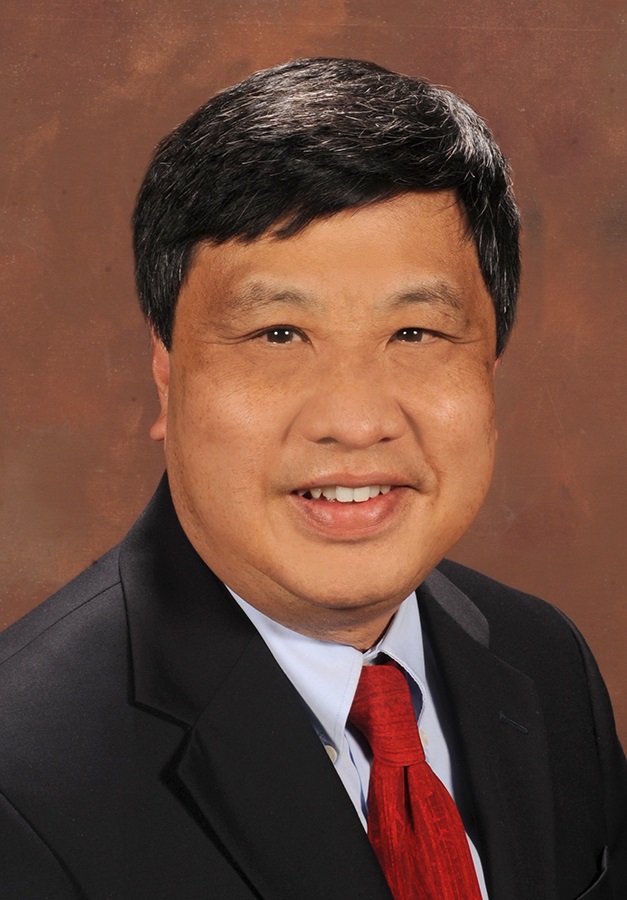
Edward Chin, MD
- Associate Professor,
- Division of Endocrine & Nutrition
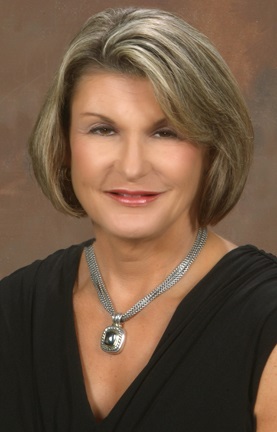
Laura Mulloy, MD
- Section Chief, Division of Nephrology
Facilities
The fellow spends time in three hospitals:
- Augusta University Health
As the teaching hospital of Augusta University, the Augusta University Medical Center includes a 520-bed hospital, Ambulatory Care Center with over 80 outpatient clinics in one convenient setting, Specialized Care Center housing a 13-county regional trauma center, Comprehensive Cancer Program, Emergency and Express Care Services.
The Children's Hospital of Georgia has 149-beds, including one of five Neonatal Intensive Care Units in the state.
- Veterans Administration Medical Center
The Augusta VAMC primary service area includes 17 counties in Georgia and seven counties in South Carolina; but as a member of the Atlanta Veterans Integrated Service Network (VISN7), veterans who live as far away as Alabama may be cared for in the Augusta VAMC. The Downtown Division adjacent to Augusta University has 155 beds (52 medicine, 37 surgery, six neurology, and 60 spinal cord injury).
Educational Program Basic Curriculum
- Clinical
The fellow participates “hands on” in all endocrine surgery office hours and in the operating room. The Fellow's clinical schedule mirrors that of Dr. Terris. Specifically, the fellow receives clinical training during two endocrine surgery half-day clinics per week and in the operating room two to three days per week. Additional clinical teaching takes place during hospital rounds on endocrine and head and neck surgery patients, and during the care of emergency endocrine surgery cases. Time will be allocated approximately one half-day per week to work with the Endocrinology Team in their offices. The fellow is clinically involved in call from home in the rotation of the faculty call.
- Research
The fellowship provides opportunities for clinical research in the areas of minimally invasive thyroid surgical techniques, robotic thyroid surgery, outpatient thyroid and parathyroid surgery, management of thyroid cancer, and novel techniques for the diagnosis and management of patients with thyroid and parathyroid diseases. Fellows are encouraged to develop research proposals under the direction of the Fellowship Director with department funding available to support travel to present work at selected meetings.
- Fellow Supervision and Patient Care Responsibilities
Fellows are closely supervised during the first quarter of the Fellowship. As the Fellow matures, patient care independence is fostered, still under the supervision of the Fellowship Director. At the completion of the Fellowship, the Fellow is able to independently evaluate and diagnose patients with thyroid and parathyroid diseases.
Fellow patient care responsibilities:
- See and evaluate endocrine surgery patients in the endocrine surgery clinics.
- Supervise the preparation process for patients requiring endocrine surgery.
- Participate in endocrine surgery cases in the operating room.
- Round on in-hospital endocrine and head and neck surgery patients twice daily.
- Supervise otolaryngology and general surgery residents on the endocrine and head and neck surgery rotation.
- Participate in the care of emergency endocrine and head and neck surgery patients.
- Procedural Requirements
The following procedures are performed during the fellowship:
- Thyroidectomy: >200
- Parathyroidectomy: >250
- Neck Dissection: 50
- Ultrasounds: >300
Didactic Components
- Attend all department conferences pertaining to Endocrine and Head and Neck Surgery.
- Assist in implementation of annual CME programs.
- Give two otolaryngology resident lectures per year. Lecture topics may include: Introduction to Thyroid and Parathyroid Disorders, Thyroid Surgical Techniques, and Parathyroid Surgical Techniques.
- Serve as a peer reviewer for journal articles.
- Attend otolaryngology journal club every month and proctor endocrine and head and neck surgery papers being discussed.
- Supervise resident cadaver training dissection.
- Attend all otolaryngology grand rounds.
Evaluations
- Fellow Evaluation
The Fellow will be evaluated on the following items using a scale from 1 to 5, 1 being the lowest or very poor performance and 5 being the highest or excellent performance:
Patient care - compassionate, appropriate, and effective for the treatment of health problems and the promotion of health
Medical knowledge - established and evolving biomedical, clinical, and cognate (e.g., epidemiological and social-behavioral) sciences and the application of this knowledge to patient care
Practice-based learning and improvement - involves investigation and evaluation of their own patient care, appraisal and assimilation of scientific evidence, and improvements in patient care
Interpersonal and communication skills - that result in effective information exchange and teaming with patients, their families, and other health professionals
Professionalism - as manifested through a commitment to carrying out professional responsibilities, adherence to ethical principles, and sensitivity to a diverse patient population
Systems-based practice - as manifested by actions that demonstrate an awareness of and responsiveness to the larger context and system of health care and the ability to effectively call on system resources to provide care that is of optimal value
- Faculty Evaluation
The Fellow provides verbal and/or written meaningful feedback to the Director of the Fellowship regarding ways of improving the quality and effectiveness of the Fellowship (PDF available as a link).