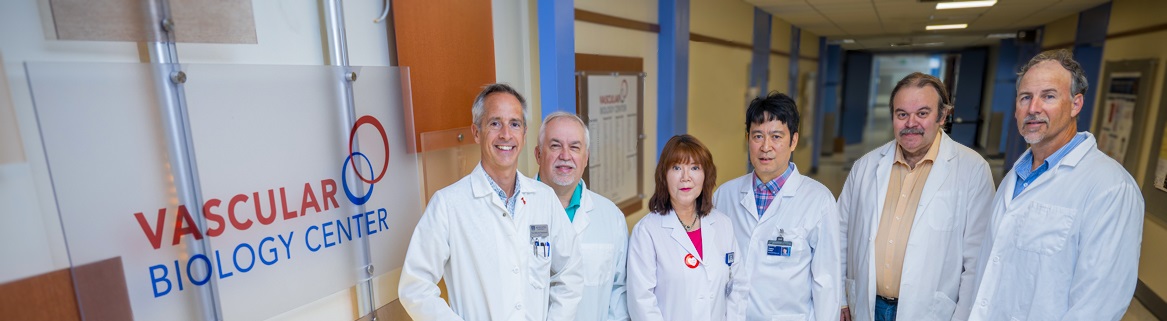
PPG - Endothelial Metabolism & Redox Imbalance in Vascular Disease
Overall
Redox imbalance, characterized by high reactive oxygen species (ROS) & low reactive nitrogen species (RNS), is a fundamental mechanism of endothelial cell (EC) dysfunction contributing to the inflammatory vascular & metabolic diseases such as atherosclerosis, diabetes and peripheral arterial disease.
Our preliminary evidence suggests that EC metabolism and ROS are intimately connected and involved in vascular disease. The proposed studies will identify key mechanisms dictating the interplay of metabolism with ROS/NO and how this impacts endothelial function, which will lead to new therapeutic strategies. The following aims will be prosecuted in the respective models of disease in each project. Funded through the NIH (PO1HL160557)
Jump to: Intended ImpactWhat to KnowSynergy & Integration OverallProjectsCores
Intended impact
intended impact
What to Know:
More information
Synergy & Integration Overall
Addressing the interplay between endothelial metabolism and oxidative stress is complex and involves multiple interrelated systems and thus is an ideal match for the enhanced scope of a program project.
We will investigate the key pathways unique to each project using different mouse models and cell-based approaches through the sharing of mice, tissues and reagents and coordinated services across the 2 scientific cores.
Our highly accomplished experimental team has an established track record of interactions, productivity, and collaborations in the area of endothelial biology, ROS/NO and EC metabolism.
Projects
Program Directors: Dr. Tohru Fukai (Contact PD/PI) who has expertise in oxidative stress and vascular disease and Dr. Masuko Ushio-Fukai (PD/PI) who has expertise in redox signaling and endothelial cell (EC) biology
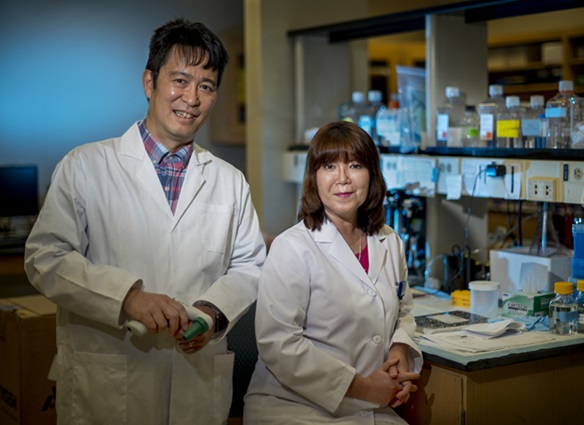
Project—1 | Role of Cu Transporter in EC Metabolism, ROS, & Atherosclerosis
Project Leader: Dr. Tohru Fukai
Hypothesis: ATP7A dysfunction in inflamed endothelial cells disrupts copper (Cu) metabolism, causing intracellular Cu accumulation that promotes endothelial-to-mesenchymal transition (EndMT) through PFKFB3-driven glycolysis and mitoROS-mediated activation of TGF-β signaling.
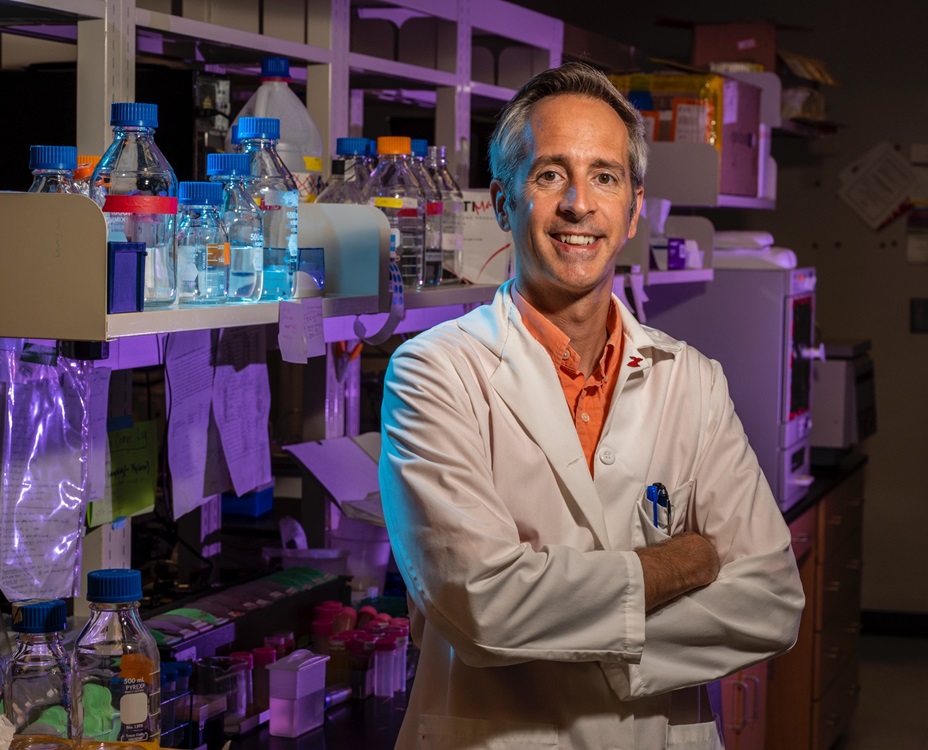
Project—2 | Leptin regulation of endothelial cell metabolism & vascular oxidative stress in diabetes-associated cardiovascular disease
Project leader: Dr. Eric Belin de Chantemele
Hypothesis: Endothelial cell (EC) metabolism regulates endothelial function in type 1 diabetes through sex-specific, leptin-dependent mechanisms involving PFKFB3- driven glycolysis & NOX1-mediated oxidative stress.
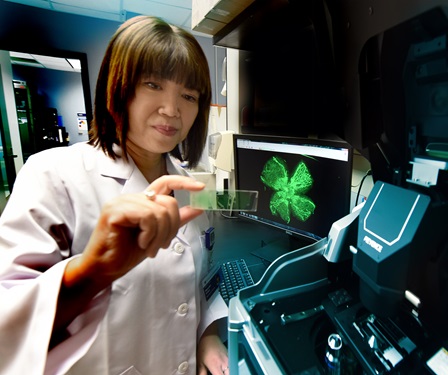
Project—3 | Mitochondrial dynamics protein Drp1 regulation of endothelial metabolism, ROS, & ischemic vascular disease
Project leader: Dr. Masuko Ushio-Fukai
Hypothesis: VEGF/NOX-derived H₂O₂ regulates endothelial metabolism & angiogenesis through Drp1-mediated mitochondrial fission & AMPK/PFKFB3-driven glycolysis, but in diabetes this pathway becomes dysregulated due to Drp1 hyperactivation, causing excess mitochondrial ROS, VEGFR2 degradation, & endothelial dysfunction.
Cores
Core A —Administrative Core
Core A will coordinate & oversee the research efforts of the individual projects to maximize project synergy and ensure administrative and regulatory compliance.
Core B — Animal & Metabolic Phenotype Analytic Core
This core will provide support for all projects with novel knockout or transgenic mice with endothelial gene alterations and in vivo metabolic measurements.
Core C — Endothelial Cell Analytic Core
This core will assist with isolation and characterization of primary endothelial cells from genetically modified mice and rigorous viral, CRIPSR/Cas9-mediated genetic manipulation of endothelial cells.