
Pain Medicine Fellowship
The Pain Medicine Fellowship at the Medical College of Georgia provides comprehensive, multidisciplinary training in the evaluation and treatment of acute, chronic, and cancer-related pain. Fellows train at Augusta University Medical Center, a major academic medical center and Level I trauma center serving patients from across Georgia and the Southeast.
This ACGME-accredited, one-year fellowship is designed to prepare physicians for independent practice in interventional pain medicine while developing strong clinical judgment, procedural expertise, and collaborative care skills.
The fellowship emphasizes a multidisciplinary approach to pain management, integrating expertise from anesthesiology, neurology, psychiatry, neurosurgery, and physical medicine and rehabilitation.
Fellows gain extensive experience in both the clinical and procedural aspects of pain medicine while working closely with faculty who specialize in interventional and medical pain management.
At the completion of training, fellows are prepared to:
- Evaluate and manage complex acute and chronic pain conditions
- Perform a wide range of interventional pain procedures
- Develop comprehensive treatment plans using pharmacologic, behavioral, and interventional therapies
- Collaborate with multidisciplinary specialists in the care of patients with complex pain syndromes
Jump to: Program HighlightsClinical TrainingCurriculumProceduresRotationsResearchFacultyLife in Augusta
Contact Us
Pain Medicine Fellowship
Medical Center, BI 2144
762-375-
4544
706-446-0077
Program Highlights
ACGME-accredited
12-month fellowship
2 fellows per year
Training at a Level I Trauma Center
- ACGME-accredited Pain Medicine Fellowship
- One-year training program
- Multidisciplinary faculty and clinical training
- High-volume interventional pain procedures
- High-volume interventional pain procedures
- Training at a major academic medical center and Level I Trauma Center
- Diverse patient population with complex pain conditions
Clinical Training
Fellows receive broad clinical exposure to a wide variety of pain conditions, including:
- Chronic spine-related pain
- Neuropathic pain syndromes
- Cancer-related pain
- Post-surgical pain
- Complex regional pain syndrome
- Musculoskeletal pain disorders
Training occurs primarily at Augusta University Medical Center and affiliated outpatient clinics.
Fellows develop expertise in patient evaluation, diagnostic workup, and formulation of comprehensive treatment plans that incorporate both interventional and non-interventional approaches.
Didatic Curriculum
Fellows participate in a structured educational curriculum that includes:
- Weekly pain medicine lectures
- Journal club
- Multidisciplinary case conferences
- Morbidity and mortality conferences
- Departmental grand rounds
The didactic program reinforces clinical learning while keeping fellows up to date with the latest developments in pain medicine.
Interventional Pain Procedures
Fellows gain hands-on experience performing a wide range of procedures under the supervision of experienced faculty.
Procedural training includes, but is not limited to:
- Epidural steroid injections
- Facet joint injections and medial branch blocks
- Radiofrequency ablation
- Sacroiliac joint injections
- Sacroiliac Joint Fusion
- Sympathetic nerve blocks
- Spinal Cord Stimulation (Trials and Implants)
- Intrathecal Drug Delivery (Trials and Implants)
- Peripheral nerve blocks (Ultrasound Guided)
- Major Joint Injections (Knee, Hip, and Shoulder)
- Peripheral nerve stimulation (Trials and Implants)
- Kyphoplasty
- Minimal Invasive Lumbar Decompression (MILD)
- Percutaneous Discectomy
- Fluoroscopic and ultrasound-guided procedures
Graduates leave the program with strong procedural skills and the confidence to perform interventional pain techniques in independent practice.
Rotations
The fellowship curriculum includes rotations that provide multidisciplinary exposure to the evaluation and management of pain.
Typical rotations include:
Pain Medicine Clinic
Neurology
Exposure to neurologic causes of pain including neuropathic disorders and headache syndromes.
Neurosurgery
Evaluation and management of spine pathology and neuromodulation procedures.
Psychiatry / Addiction Medicine
Understanding the psychological and behavioral components of chronic pain.
These rotations help fellows develop a comprehensive understanding of pain from multiple medical perspectives.
Research & Scholarly Activity
Fellows are encouraged to participate in research and scholarly activities during the fellowship year.
Opportunities include:
- Clinical research projects
- Case reports and publications
- Presentations at regional or national conferences
Faculty mentorship supports fellows in developing academic interests and contributing to the advancement of pain medicine.
Faculty
Fellows work closely with a dedicated team of faculty members who are committed to teaching, mentorship, and professional development. Faculty provide individualized guidance to help fellows develop their clinical expertise, procedural skills, and career goals in pain medicine.

Anterpreet Dua, MD
- Pain Medicine Fellowship Program Director
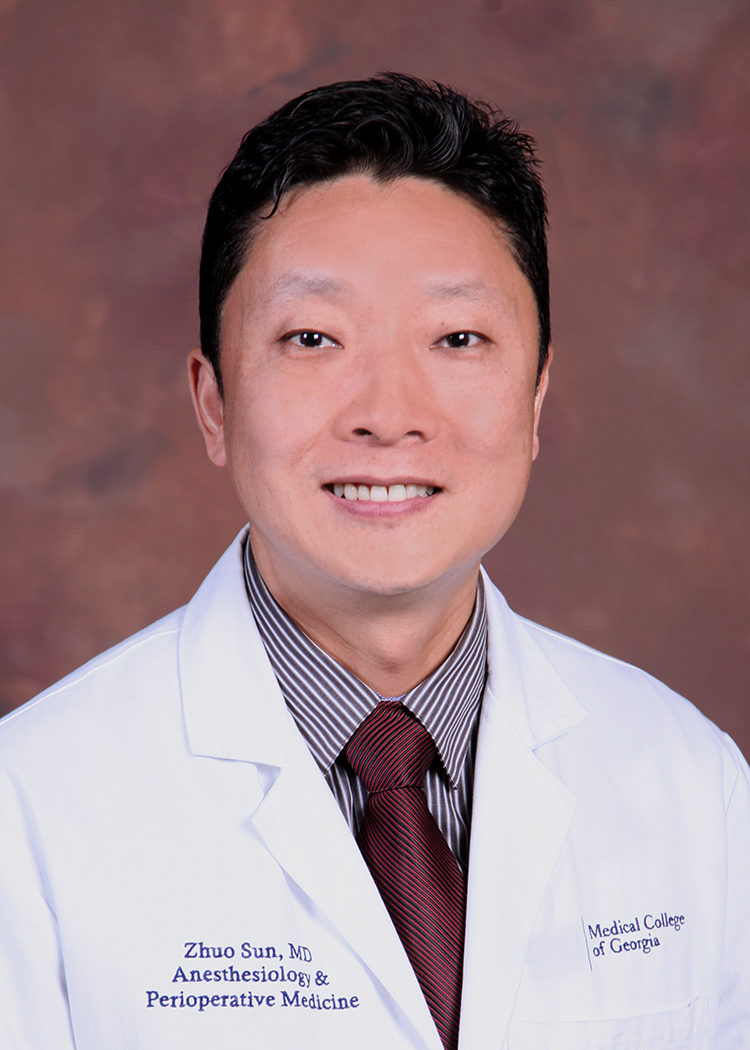
Zhuo Sun, MD
- Core Pain Faculty

Margaret Eakins
- Program Coordinator
Life in Augusta
Augusta and the surrounding communities offer a well-rounded lifestyle to complement the demands of fellowship training. From exceptional dining and local coffee spots to outdoor recreation and cultural experiences, there are plenty of ways to recharge and stay connected outside of work. Explore to discover where fellows enjoy spending their time.