Summer Scholars Program
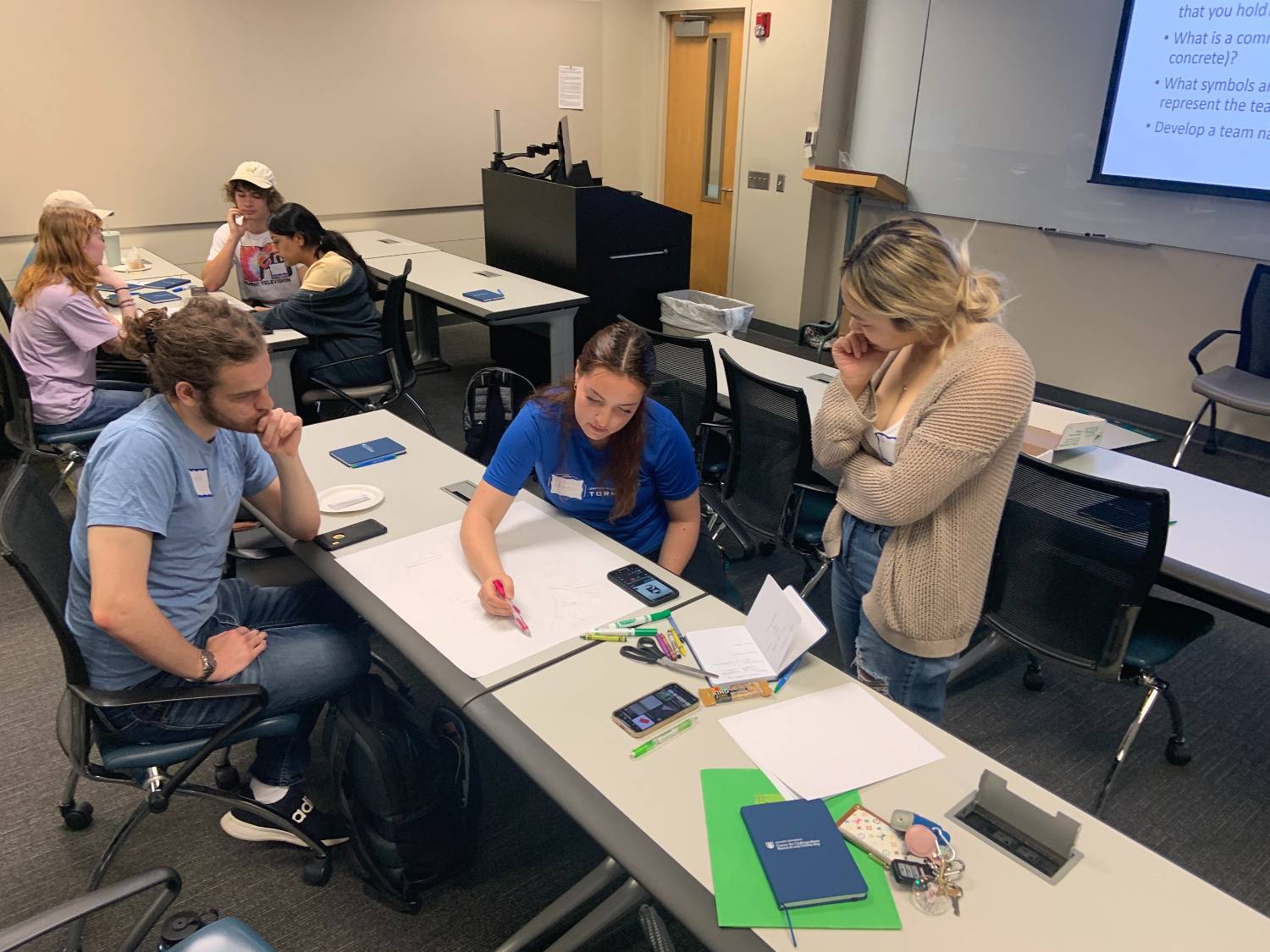
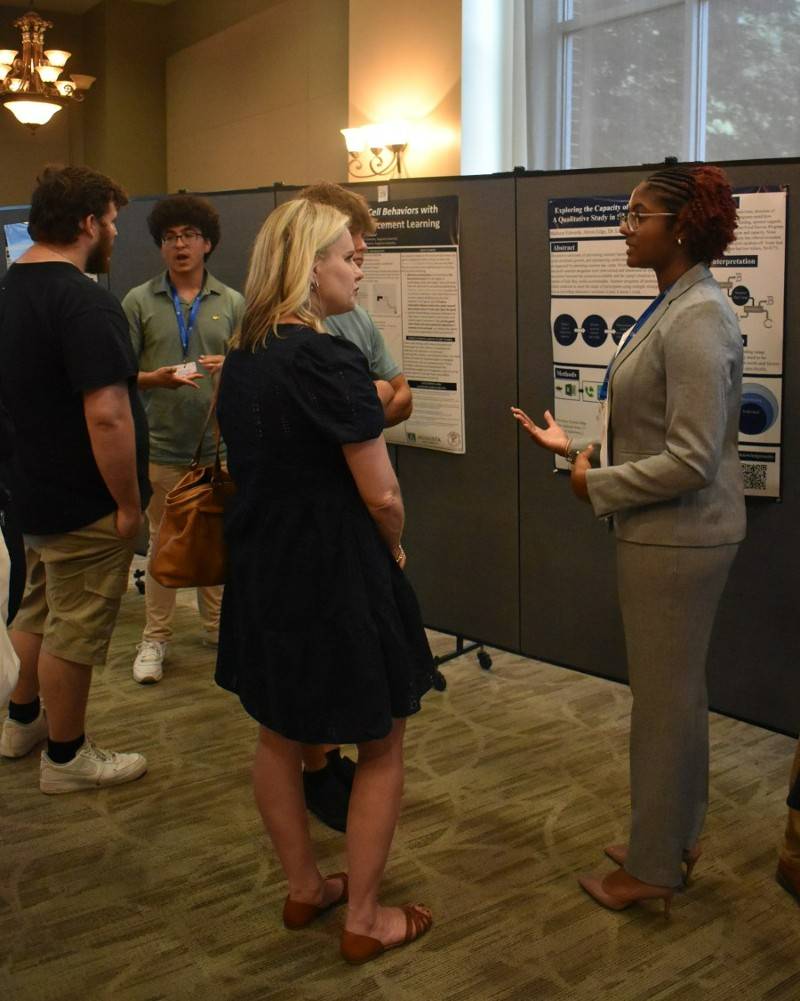
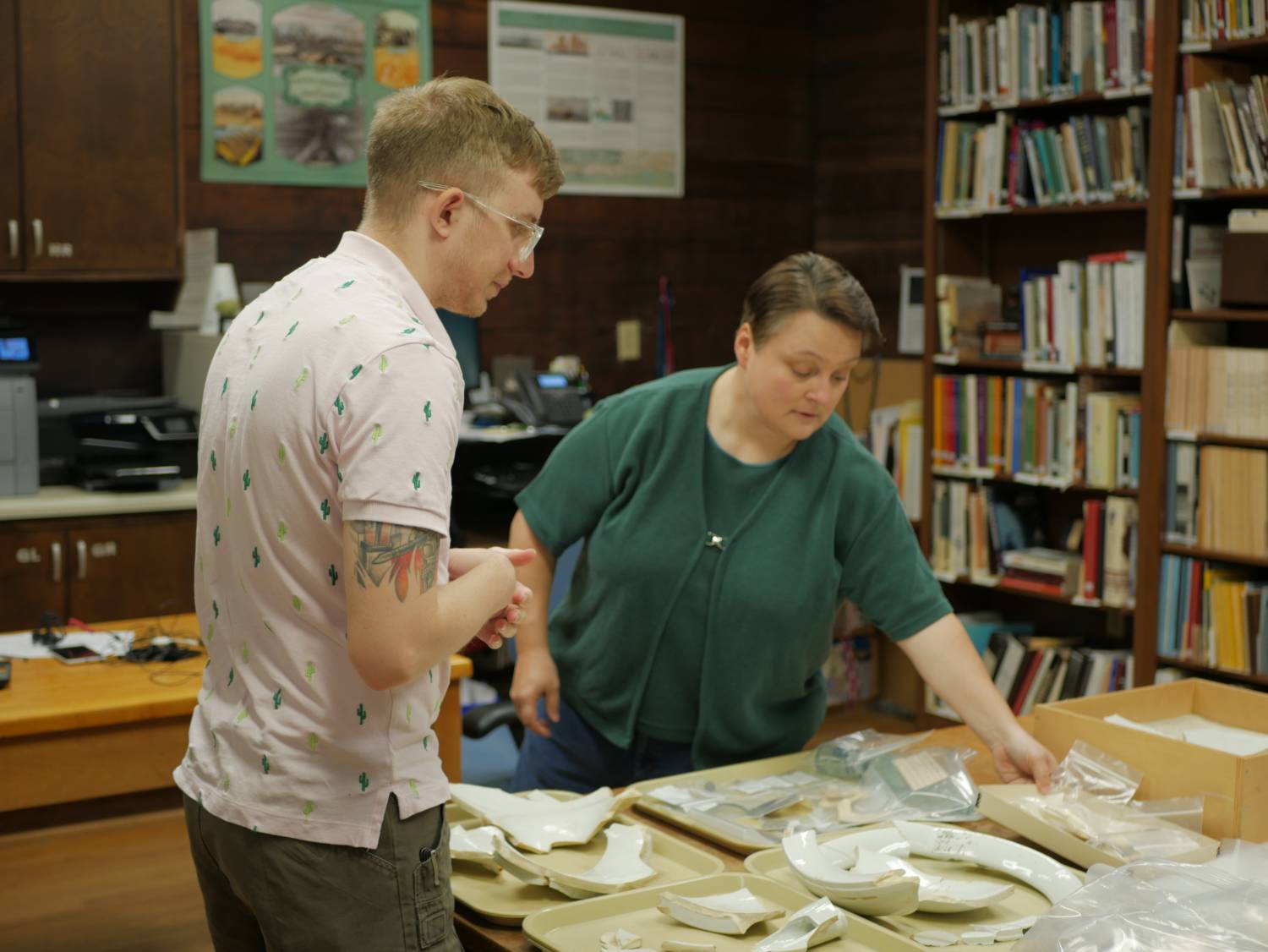
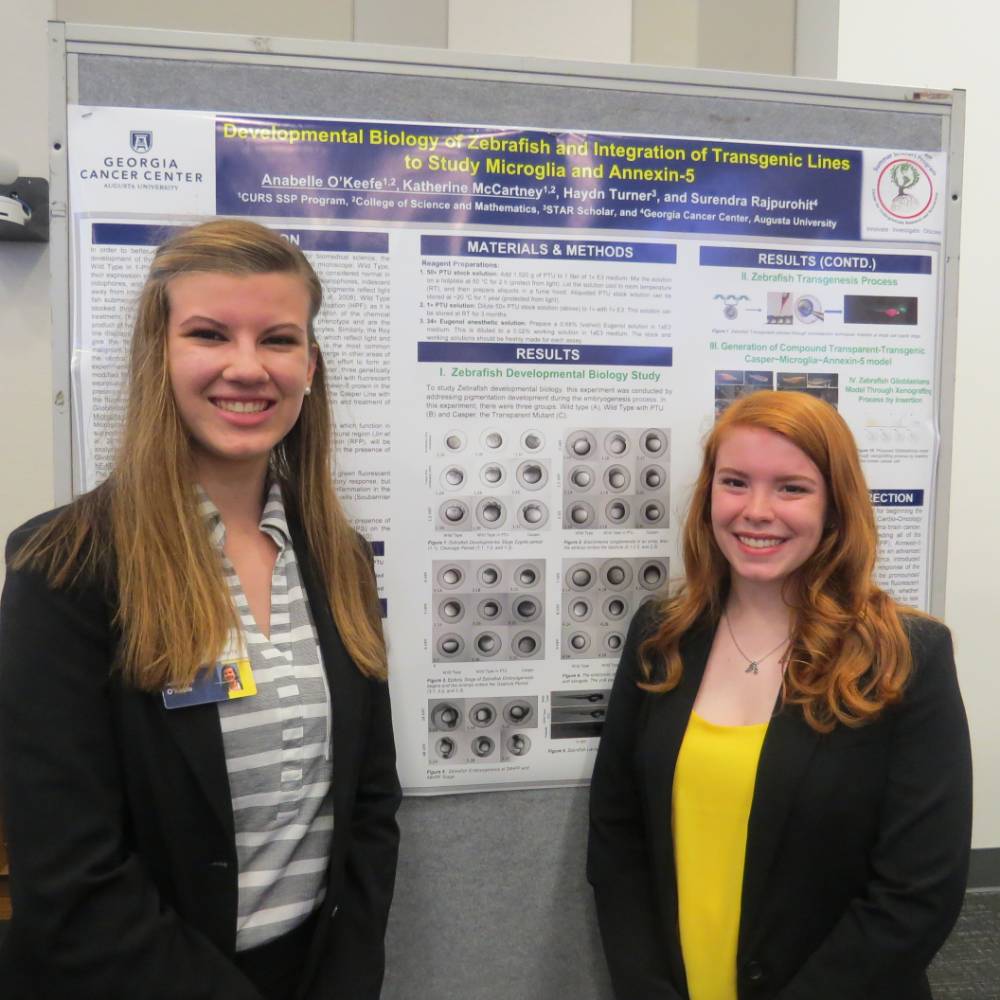
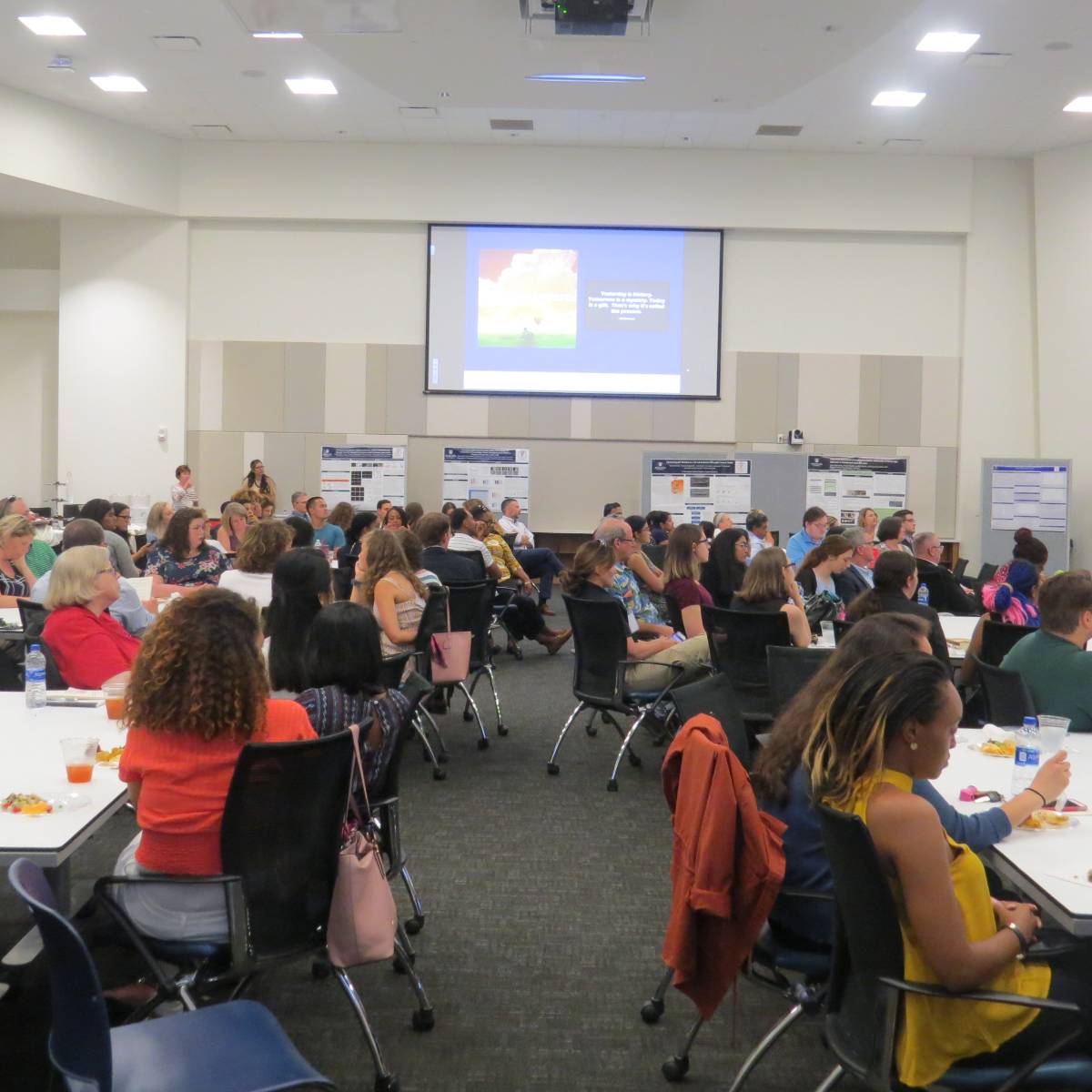
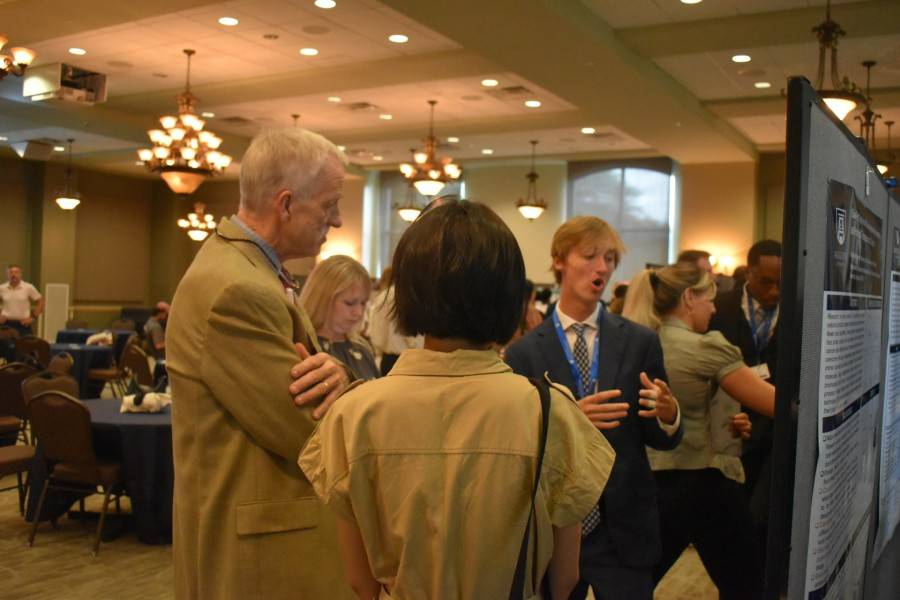
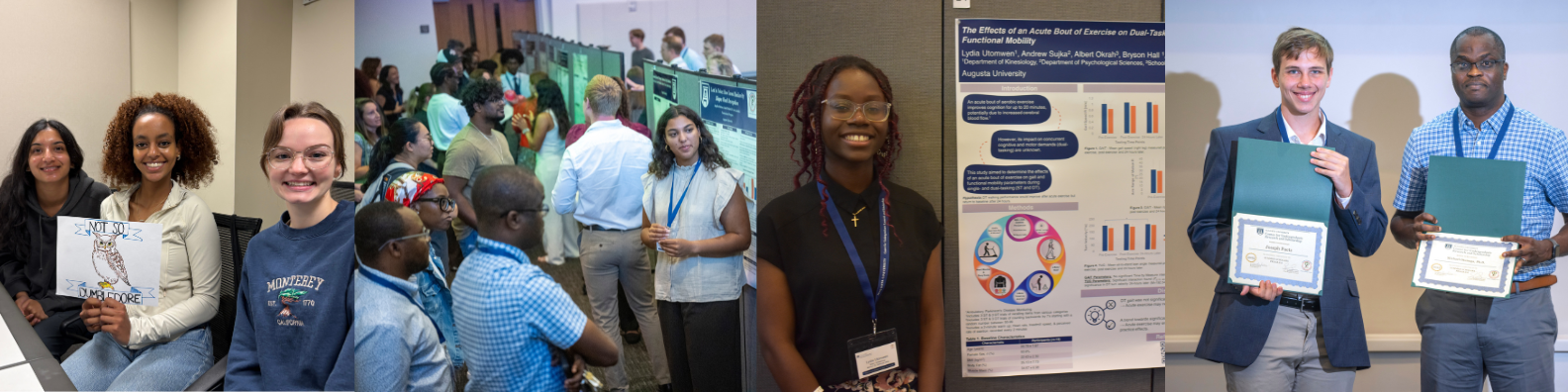
The Summer Scholars Program is an intensive hands-on research experience that allows AU undergraduate students to collaborate with a faculty mentor in the process of discovery. Students are paid a stipend for approximately 20 hours of research per week and engage with other student researchers in professional development workshops and social gatherings. Enrolled AU students from all disciplines are encouraged to apply.
Next Session: May 17, 2027 - July 16, 2027
the SSP 2026 Call for Proposals
Apply through the InfoReady Portal
Program Goals
- Advance high-impact scholarly activity that promotes significant student development, strengthens academic achievement, and contributes to the research productivity of Augusta University.
- Provide intentional mentorship and professional development through collaborative research and creative scholarship that cultivate meaningful and sustained faculty–student engagement.
- Deepen disciplinary knowledge and enhance evidence-based reasoning through active participation in research and scholarly inquiry.
- Develop advanced written and oral communication skills to effectively convey purpose, methods, and outcomes to diverse academic and public audiences.
Program Expectations
In order to meet team and program objectives, all participants should be local to the Augusta area for the duration of the program and have availability during predictable times (generally 8am-3pm Monday–Friday). Participants therefore may not take or teach more than three credits while in the program. Students may not take a course with a lab if participating in the Summer Scholars Program. Courses with a lab require a great deal of time and attention and thus are not compatible with the Summer Scholars Program. Student housing is not included, thus students are expected to make their own housing arrangements.
Those who have travel plans that are not related to the Summer Scholars Program scholarly activity are encouraged to apply for another year when they have no schedule conflicts. Persons whose travel will prevent attendance at either the Orientation or final Symposium will be less competitive for the program.
Summer Scholars Application Process & Timeline
- November: Call for Faculty Proposals
- November - January: Faculty apply
- January: Faculty Projects are reviewed and selected
- February: Students apply, interviewed, and selected; Matches are finalized
- March: Hiring Process
- May - July: Orientations; Program is active
2026 Summer Scholars Program
- Session 1: (9 weeks) May 18 - July 17, 2026
- eligible faculty may receive stipend of $1500/student
- Session 2: (5 weeks) May 18 - June 19, and Symposium July 16, 2026
- eligible faculty may receive stipend of $900/student
2026 Projects
| Faculty, Department | Session Length | Project Description |
|---|---|---|
| Dr. Theja Desilva, Chemistry & Physics | 5 weeks |
The collective behavior of individual units causes nearly all macroscopic phenomena in nature—from the synchronized motion of bird flocks and coordinated gene regulation in cells to the firing of neurons in the brain and the emergent properties of materials. Understanding these collective properties is essential, as most fascinating and complex behaviors in nature arise not from the actions of individual components, but from their interactions and cooperation.
Ultra-cold atoms: The progress in laser technology allows experimentalists to explore quantum phenomena in highly controllable environments. By tuning interactions, dimensionality, and using electromagnetic fields, researchers can mimic complex phenomena and test quantum theories with unprecedented precision. Thus, insights from collective behavior in atoms pave the way for transformative technologies, including quantum simulation, quantum computing, and precision sensing, thereby bridging the gap between theory and practical innovation. Therefore, understanding the collective properties of atomics is crucial for advancing both fundamental physics and emerging technologies. Experiments done under highly controlled laboratory conditions need a comprehensive theoretical framework.
Electronic materials: As flocks of birds or networks of neurons display remarkable collective behavior, electrons can also exhibit striking phenomena. As an example, electrons moving in a two-dimensional layer under a strong magnetic field act together to produce precise, quantized electrical conductance known as quantum Hall effect. This behavior cannot be explained by any single electron but only by the coordinated motion of electrons following the rules of quantum mechanics.
Studying collective behavior deepens our understanding of how order and stability can emerge from complex interactions—and shows how collective behavior at the microscopic scale can give rise to robust, measurable effects with technological applications. The purpose of the project is to bridge the gap between experimental studies and theoretical frameworks to gain deeper understanding of the collective phenomena that will drive progress in quantum technologies. |
| Dr. Asanka Amarasinghe, Physics & Biophysics | 5 weeks | A comprehensive framework for understanding the machinery of the universe, from high-energy particles to intergalactic scales, is provided by Relativistic Physics. Einstein's general and special relativity is the foundation of relativistic physics. Our investigation is focused on two aspects of relativistic physics. First, we investigate the geometric structure of special relativistic diagrams, known as Minkowski diagrams (MDs). MDs, also known as space time diagrams, provide intuitive visualizations of events occurring in space-time that affect other events, maintaining causality. Additionally, it provides how different observers perceive temporal and spatial measurements differently for a given event. MDs cannot be analyzed using planar geometry because of its subtle geometric structure. The MD and the calculations generated by it do not map well in the direct hyperbolic geometric approach. In our project we provide a streamlined approach that bridges MDs with the mathematical analysis produced by them. Secondly, we will be investigating an effect of gravitational waves that is not well understood and not well studied, the Christodoulou Memory effect. With the discovery of gravitational waves, and all subsequent observations, it has been shown that after gravitational ripples pass through space-time, the space-time fabric retains its original form. However, General relativity also suggests that a stronger gravitational wave could permanently deform the fabric of space-time leaving a “memory” of the gravitational burst on it. Our project investigates the dynamics of such occurrences and their consequences. Additionally, we investigate experimental aspects of detecting memory effects of gravitational waves. This project has a twofold effect on theoretical physics. It explores and provides a mathematical framework that complements the existing geometric interpretation of MDs. Additionally, the project broadens and supplements the groundwork of gravitational physics research by investigating and providing predictions on one of the least studied fields of gravitational wave physics. |
| Dr. Shiwei Fang, Computer & Cyber Sciences | 9 weeks |
Artificial intelligence (AI) is increasingly deployed across a wide range of applications - from environment monitoring to real-time traffic control and autonomous vehicle cooperation. While there is a significant ongoing investment in building AI infrastructure such as large-scale data centers and power plants across the global, not all applications are suited for cloud-based deployment. Critical systems, such as traffic control for human-operated and autonomous vehicles, much remain operational even during communication disruptions or degraded connectivity. In these cases, AI inference can be better served with local deployment on edge devices, rather than relying on remote cloud resources. Edge computing offers a decentralized alternative that brings computation to the end user, reducing latency and improving system resilience. However, edge devices typically operate under strict computational and power constraints. In addition, they are often deployed in the field for long durations, during which AI workloads evolve -- as models become more complex and results in multiple applications competing for limited resources. As more edge devices are being deployed and applications continue to grow, there are new challenges in supporting multi-tenant AI applications on edge devices. This project aims to investigate several critical aspects of AI deployment on edge devices, including but not limited to: (1) methods for assessing and quantifying the performance of different AI models on edge devices, (2) the limitations of existing resource allocation algorithms in edge environments, and (3) the identification of frameworks that can be applied across heterogeneous edge devices. |
| Dr. Robert Saunders, Music | 9 weeks |
From the turn of the century through eras of artistic expression, Augusta has remained a crossroads of southern arts and entertainment. Augusta is host to over 150 community arts and culture programs, including the AU Music Conservatory. Community Music (CM) programs serve to provide access to excellent music performance and learning experiences, preparing youth and adults to participate, whether directly or as an active observer, in music. These programs support and augment music learning done through public schools, often providing unique opportunities that schools otherwise cannot. Many scholars look at teaching and learning practices in new ways, describing these under the concept of community music (CM) and bringing forth the elements essential to personal and social growth. In 2018, an Oxford Handbook of Community Music was published that provides exemplars of the theoretical underpinnings and structural elements of world, online, and regional music communities. There has yet to be an instructional method book created to support music achievement in the varied settings and social contexts found in CM programs throughout the world. This project is the result of over a decade of research in informal music learning and community engagement and professional development in CM program leadership. CURS Summer Scholars will assist in the developmental stages of this project, specifically contributing to the following method book elements Editing instructional units including notated, audio, and video examples of performance practice Assessment rubrics and worksheets for each unit measuring participants' musicianship and 21st century skills Communicating with CM leaders and participants to create “Style Profile” video technique examples. |
| Dr. Lynn Glenn, Nursing Science | 9 weeks | The Hispanic population has a higher risk for developing Type 2 diabetes than the general population. The prevalence rate of diabetes in non-Hispanic whites is 7.2%, compared to 11.5% in Hispanics. The major determinants of risk are related to genetic predisposition, higher rates of obesity and physical inactivity in Hispanic population, increased insulin resistance and socioeconomic factors (Vidal et al., 2022). Migrant farmworkers may have a slightly lower risk of diabetes due to higher levels of physical activity and rates of acculturation (Olsen et al., 2023). This research study is needed to add to the lack of information about the prevalence of prediabetes and diabetes in the Hispanic migrant worker population. The only population data was done on self-reported data, but not confirmed with laboratory analysis (Olson et al., 2023). This research study will collect data on individual risk factors for diabetes with corresponding lab values. This will also give us more data on the most common risk factors in this population, along with and their relationship with diabetes risk. The U.S. Preventive Task Force, along with the American Diabetes Association, recommends diabetes screening for adults at high risk, such as African Americans, Latino, Native Americans, Asian American and Pacific Islander, and those who are overweight or obese, have family history of diabetes, have a history of diabetes in pregnancy, have high blood pressure or cardiovascular disease, or have a sedentary lifestyle (ADA, 2024). New guidelines have recommended all adults have screening for diabetes starting at 35 years of age, regardless of risk factors. The targeted population for this study has known risk factors for diabetes. A diabetes risk survey and physical activity questionnaire will be administered to consented participants. Costa Layman Annual Health Fair has been a well-established event coordinated by Augusta University College of Nursing for more than 20 years. The health fair offers multiple free screenings to the workers at Costa Farms. This event provides access to care, preventive health screenings, health education and a interdisciplinary learning experience for the Hispanic community and many AU students and faculty. |
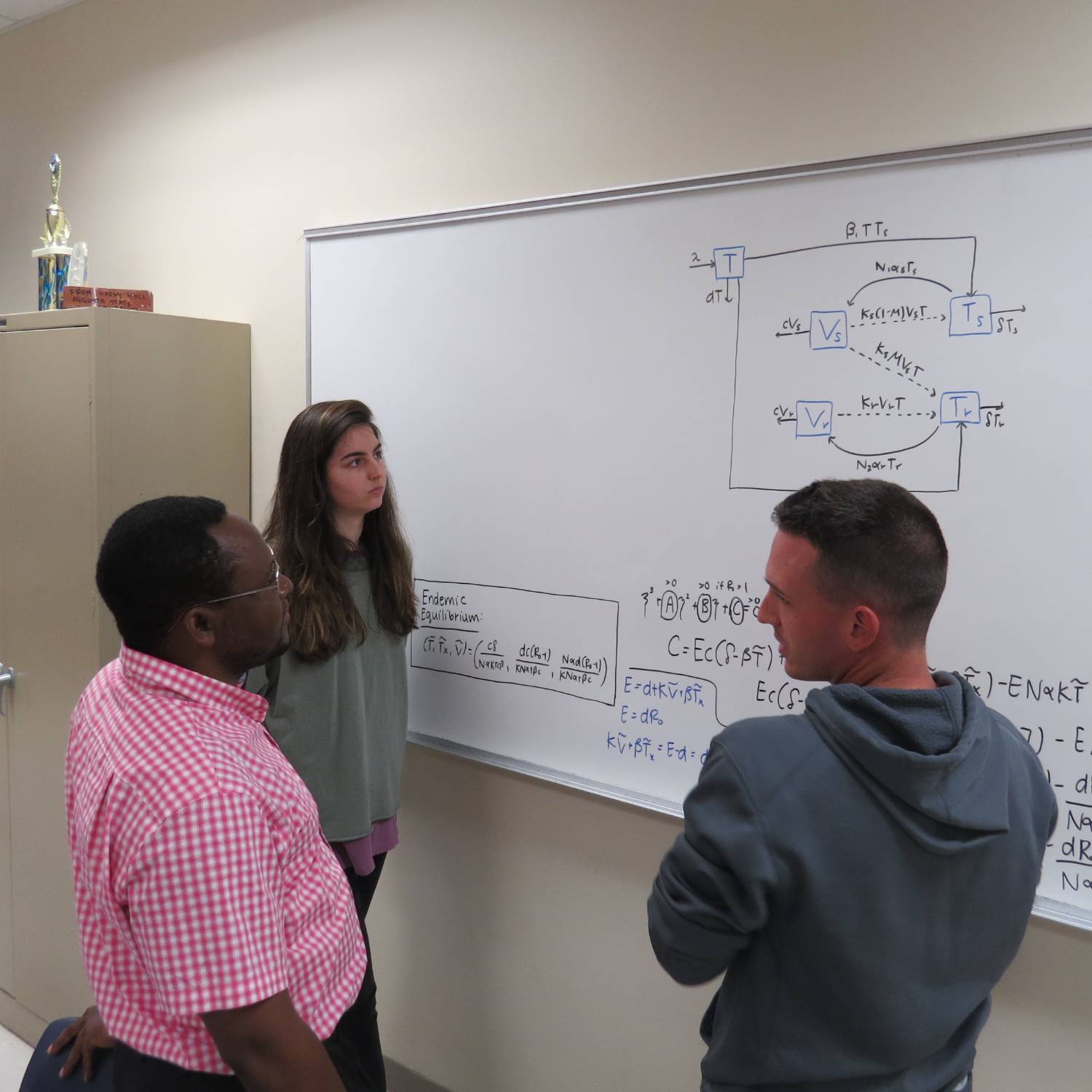
| Dr. Atanaska Dobreva, Mathematics | 5 weeks | The proposed research project is in the realm of biomedical mathematics. This is an interdisciplinary field at the interface of mathematics, biology and medicine.The project will investigate the autoimmune disease alopecia areata. Alopecia areata has no cure and causes hair loss on the scalp or other parts of the body. The disease occurs as the immune system attacks and kills the cells that produce hair fibers. I have developed and published the first a mathematical for alopecia areata dynamics, which incorporates immune system components whose involvement in alopecia areata had been confirmed in experimental and clinical studies, including immune cells and a proinflammatory messenger protein of the immune system called interferon gamma. A former student mentee who worked with me for his capstone research project extended the system of equations to create a control model reflecting effects of treatment with a currently investigated therapeutic option for alopecia areata that suppresses the proinflammatory activity of interferon gamma. The proposed research project is the next step in the investigation. The objective is to perform global sensitivity analysis of the control model in order to gain understanding of which parameters, and thereby processes reflected through them, play the most important role during immunosuppressive treatment. |
| Dr. Matteo Borgini, Chemistry & Biochemistry | 9 weeks |
Cancer remains a major global health challenge, with cases expected to increase dramatically in the future. A critical factor contributing to treatment failure and high mortality rates is drug resistance, where cancer cells become unresponsive to therapy. One key driver of this resistance is the overactivation of Nrf2, a protein that helps cancer cells survive by protecting them from damage and allowing their uncontrolled growth. Despite its importance, no drugs currently exist to block Nrf2 activity, as traditional drug development approaches have been unsuccessful. To address this urgent need, my research group at Augusta University has developed an innovative strategy using peptides (small protein fragments) to inhibit Nrf2. Our approach works by preventing Nrf2 from entering the cell nucleus, where it normally functions, by blocking the transport mechanism that carries it there. Through collaborative research and the efforts of previous undergraduate students, particularly Garret Hamilton and Khadijah Ladoo who participated in CURS Summer Scholars Program (SSP) 2025, we identified two promising peptides, S1P4 and S3P4, that reduce Nrf2 activity in brain tumor cells. However, both peptides lack drug-like properties needed for effectiveness in animal or human cancer models. The SSP 2026 will support two undergraduate students in designing and synthesizing modified versions of S1P4 and S3P4 peptides with improved drug-like properties and enhanced ability to block Nrf2 and overcome drug resistance. The project will advance scientific knowledge while providing students with intensive hands-on training. Under my direct mentorship, students will learn peptide synthesis, purification, and characterization using state-of-the-art instrumentation. Students will develop critical research skills and present their findings at regional or national conferences, in addition to the CURS Summer Symposium, with the goal of publishing in a peer-reviewed journal. Success in this project could lead to new cancer therapies that improve patient outcomes. |
| Dr. Hoda Maleki, Computer & Cyber Sciences | 9 weeks |
Large Language Models (LLMs) such as GPT-4, Claude, and Gemini are rapidly transforming the way software is developed. Instead of writing code line-by-line, developers can now ask these models to generate functions, configuration files, or even entire applications using natural language. This shift promises major benefits—faster prototyping, reduced development effort, and increased accessibility for non-experts. However, as LLM-generated code and guidelines becomes more common in industry and education, an important question has emerged: How secure is the software produced by these models? Early studies revealed that LLMs frequently introduce vulnerabilities into short code snippets, such as missing input validation or insecure API usage. More recent work shows that these problems persist when models generate larger programs, including complete web applications with authentication, databases, and user interaction. Because LLMs are trained on vast amounts of public code—including insecure or outdated examples—they may unintentionally reproduce security flaws or misconfiguration patterns. Additionally, developers often trust LLM outputs more than they should, which increases the likelihood that insecure code will be deployed. The proposed summer project supports a broader research effort aimed at systematically evaluating the security of LLM-generated software. We examine how different models behave when asked to generate full programs across multiple languages and frameworks, and we use a combination of static and dynamic analysis tools to identify weaknesses such as insecure defaults, missing security headers, cross-site scripting risks, authentication flaws, and misconfigurations. This research is significant within cybersecurity, software engineering, and AI safety. Understanding the security posture of AI-generated code helps improve developer practices, strengthen the software supply chain, and guides responsible adoption of LLMs in real-world development environments. The project is intentionally designed to be accessible to undergraduate students while contributing to an active and impactful research area. |
| Dr. David Wolff, Georgia Cancer Center | 9 weeks | Metastatic cancer is a highly lethal disease, with a median survival rate across all patients of approximately 10 months. In solid tumors, acquisition of invasive capability by cells within the primary tumor is an early and necessary step in metastatic progression, allowing cancer cells to escape the initial tumor site and gain access to blood and lymphatic vessels. Although considerable efforts have been made to better understand the process of cancer cell invasion, much of the underlying molecular mechanisms remain unknown. Our group previously described a fundamental connection between cancer cell invasion and biosynthesis of guanosine triphosphate (GTP), a nucleotide which acts as a building block for nucleic acid synthesis. Small molecule inhibition of GTP production in metastatic cancer cells drastically reduces their capacity to invade, both in culture and in animal models. More recently, we found GTP production supports cancer cell survival in stressed conditions, particularly in response to anti-cancer therapies. The primary objective of this CURS SSP project will be to evaluate how GTP production in tumor cells influences cellular respond to vemurafenib, a targeted therapy commonly used in certain solid tumors. Successful completion of the project may result in rationale for inhibition GTP production in combination with vemurafenib in clinical settings, while also providing mechanistic insight into the role GTP plays in stress responses. |
| Dr. Olsegun Otunuga, Mathematics | 9 weeks |
This study investigates the transition from outbreak to endemic states or endemic control by analyzing the effective reproduction number R(t) within a stochastic epidemic framework. We derive the transition and stationary probability density functions of R(t), which are then used to characterize the first passage time (FPT) of R(t) across a (fixed or moving) boundary Z(t). These will later be used to calculate the distribution of the first time that infection will dominate (or be controlled) in a population. Analytical expressions for some properties of the distribution provide quantitative measures of when the endemic transition is likely to emerge under stochastic fluctuations. The crossing time marks the moment R(t) first signals sustained endemic behavior. For a moving barrier, crossing corresponds to the moment the disease process keeps pace with a shifting target. By linking epidemic dynamics with stochastic first-passage theory, this framework highlights how fluctuations and dynamic thresholds jointly determine the timing of epidemic transitions. The results offer probabilistic tools for anticipating epidemic resurgence, assessing intervention durability, and designing adaptive public health strategies. We aim to calibrate the framework using region-specific parameter estimates for each of the ten U.S. Department of Health and Human Services (HHS) regions over a late-winter to early-summer window to analyze the weekly percent positive of rhinovirus/enterovirus (RV/EV) activity in the United States. By linking stochastic epidemic dynamics for R(t) with first-passage-time analysis under fixed and moving thresholds, this project advances mathematical epidemiology beyond point estimates of transmission intensity to quantitative predictions of when epidemic-to-endemic transitions (or control) are likely to occur under uncertainty, and it provides accessible probabilistic tools for public health decision-making by translating noisy surveillance signals into time-to-resurgence (or time-to-control) forecasts for RV/EV across U.S. regions. |
| Dr. Hope Amm, Oral Biology | 9 weeks | Oral and oropharyngeal squamous cell carcinoma (OSCC/OPSCC) represent 90% of head and neck squamous cell carcinomas. Diagnoses of OSCC/OPSCC are increasing, currently more than 375,000 new cases are diagnosed each year worldwide, and approximately 170,000 people succumb to OSCC/OPSCC annually. When considering OPSCC, approximately 98,000 new cases and 48,000 deaths occur annually. Several recent studies have linked the increased invasive capacity of OSCC cells to oral bacteria. In fact, some species of bacteria have been individually shown to increase proliferation, migration, and invasion of OSCC cells. Entercoccus faecalis (E. faecalis) is an oral pathogen associated with endodontic disease and colorectal cancer, and it has been detected in OSCC tumor samples at a higher rate than normal tissue. In vitro studies showed that E. faecalis isolated from an oral cancer patient increased the proliferation of an OSCC cell line. No studies on the impact of oral bacteria on OPSCC cells were found. Towards addressing this gap in knowledge, we treated OSCC/OPSCC cells from different areas of the oral cavity, both human papilloma virus (HPV)- and HPV+, with E. faecalis. HPV+ cells were the only cells that showed a significant increase in proliferation with bacterial exposure. We hypothesize that E. faecalis significantly increases proliferation, pro-tumorigenic signaling, and invasion in HPV+ oral cancer cells. To test this hypothesis, we aim to determine the effects of E. faecalis on HPV+ and HPV- OPSCC cells tumorigenic properties—we will use methodologies that will allow us to assess cell invasion and cell-to-cell signaling. This project has the potential to better understand OSCC/OPSCC progression and provide targets for future therapeutics. |
| Dr. Thir Dangal, Mathematics | 5 weeks |
The reconstruction of three-dimensional surfaces from point cloud data is a fundamental problem in applied mathematics, scientific computing, and data-driven modeling. Point cloud data consist of scattered measurements of spatial locations, typically obtained from sensors, scanners, or simulations, and do not directly provide a continuous representation of the underlying surface. Transforming these discrete data points into a smooth and accurate surface is essential in many applications, including computer graphics, engineering design, medical imaging, and scientific visualization. This undergraduate research project focuses on developing and analyzing radial basis function (RBFs) interpolation methods for reconstructing three-dimensional surfaces from scattered point cloud data. The project emphasizes mathematical techniques such as global and compactly supported RBFs interpolations and Hermite interpolation based on RBFs, a derivative-informed method that incorporates derivative information at data points to construct smooth surface representations from irregularly distributed points. Through this project, undergraduate students will gain hands-on experience in numerical analysis, linear algebra, and computational mathematics while developing practical programming and visualization skills. Students will explore how factors such as data density, noise, method selection, and the choice of shape parameter in radial basis functions influence the accuracy and stability of surface reconstruction. The project is designed to be accessible to undergraduate students with backgrounds in calculus and linear algebra, while also providing opportunities for deeper investigation and independent inquiry. The outcomes of this research will include computational implementations, visual demonstrations of reconstructed surfaces, and a comparative analysis of different reconstruction techniques. This work will prepare students for advanced study or careers in applied mathematics, data science, and computational research, while contributing to their understanding of how mathematical methods are applied to real-world data. |
| Dr. Melanie O'Meara, Art and Design | 9 weeks |
In December, I traveled to Black Mountain College (BMC) Museum and Arts Center to see an exhibit on performance, tour the former campus, and conduct archival research. BMC, where many of the artists from the German Bauhaus School moved after it was dissolved by Hitler, was an interdisciplinary arts-based college open from 1933 until 1957 and tucked away in the hills of North Carolina. My research focuses mostly on the female teachers and students (their art, practices, and methods), and I plan to write, compile, and stage (at AU, fall 2027) an original performance, which I will later submit for publication. Female artists from the historical avant-garde have long been overshadowed by their male counterparts and this work intends to bring women to the forefront, crediting and celebrating them for their contributions to performance art. During Summer Scholars, I will introduce students to the project through research about the historical avant-garde and the art/ists of the Bauhaus Stage Workshop and BMC. Students will collect ideas, artists, works, practices, and methods, which we will draw upon to build a performance. As was customary at BMC, our process will be collaborative and inspired by the materials we collect along the way. Students will select a specific artist (their work, methods, and practices) that most interest them to further research and develop a performance piece inspired by their selection. In other words, they will develop and compose their own scenes for the larger show. The original performance work I create and produce at AU is well regarded by scholars in my field, and I was recently awarded the National Communication Association’s Coger Award for “performance work exemplifying the highest levels of artistic excellence and social efficacy in Performance Studies methodologies.” Involving students in the creative production process of performance during a program like Summer Scholars increases their investment in the performances they participate in on campus. Students are more informed of the choices they are making when devising for the stage and learn new ways to engage the world around them while sharpening their critical thinking, analysis, and composition skills. |
| Dr. Deborah Jehu, Community & Behavioral Health Sciences | 9 weeks |
Background: Falls are a significant public health concern among older adults. One-third of older adults fall annually, half of whom are recurrent fallers. There are sex differences in the prevalence and risk factors of falls. Women are disproportionately affected by falls, experiencing both higher rates of falls and also fall-related injuries requiring medical visits and hospitalization compared to men. Of the prospective studies examining fall-risk factors, walking with an assistive device, knee pain, depressive symptoms, cognitive impairment, the use of hypnotics and sedatives, incontinence, and osteoporosis have predicted falls in older females, while a longer chair stand time, an inability to attempt a full-tandem stand, greater comorbidities, and higher levels of pain have predicted falls in older males. Limited research has examined early psychological contributors to well-being as predictors of falls and the role of sex in these associations. Under a life-course theoretical framework, a holistic understanding of health outcomes should include the study of risk factors across the lifespan to provide foundational knowledge on the predictors of falls by sex. Purpose: The purpose of this study is to address an important knowledge gap on sex-based differences in risk factors contributing to health outcomes among older adults. Methods: n=216 older participants ≥65 years of age (108 males, 108 females) will be recruited to complete the NIH cognitive toolbox battery, as well as various demographic, psychological, cognitive, and physical health risk factors for falls. Participants will then perform a series of single- and dual-task postural and walking conditions while wearing APDM inertial sensors with and without concurrently performing cognitive tasks. They will also provide grip strength, a saliva sample, and a buccal swab sample. Participants will also provide a 12-month history of falls in the past year, as well as prospective falls via monthly fall calendars for 12 months via pre-paid stamped envelopes. Community-dwelling older adults will be recruited through advertisements and listservs, and residents will be recruited from our community partner residential living facilities. Implications: This work could inform sex-tailored interventions to reduce falls and improve quality of life for older males and females. |
| Dr. Shogo Mori, Chemistry & Biochemistry | 9 weeks |
Natural products (NPs), chemical compounds produced in nature, are a significant source of drugs and drug leads. The clinical use of NPs gained momentum with the discovery and isolation of the first pure antibiotic, penicillin, in 1928. Since then, many NPs have been isolated, saving billions of people. Over the past 40 years, more than 60% of the small molecule drugs approved in the US have been derived from NPs. However, the rise of antibiotic-resistant pathogens is a growing global concern and poses one of the greatest threats to human health in the future. Therefore, there is a high demand for new drug candidates for clinical use. NPs are biosynthesized through the coordinated actions of various proteins that regulate complex chemical reactions. This results in a structural diversity that makes them challenging to reproduce or modify using conventional organic synthesis techniques. Consequently, researchers often engineer biosynthetic genes to enable model bacteria to mass-produce these compounds. Non-ribosomal peptides are one of the largest families of NPs, with penicillin being one of its members. In their biosynthesis, a protein known as the adenylation domain plays a key role in selecting their building blocks. However, there is an unsolved question regarding the regulation of adenylation domains. Some of them require a partner protein, called the MbtH-like protein (MLP), for optimal function. Understanding whether a target adenylation domain requires this interaction is crucial, but the relationship between adenylation domains and MLPs is still not fully understood. In this project, we will conduct bioinformatics investigations to predict which adenylation domains require interaction with an MLP, which will be biochemically verified afterward. The goal is to develop a tool to easily identify these interactions. This tool will help researchers worldwide save time and resources that would otherwise be spent investigating each target adenylation domain individually. |
| Dr. Stephen Tymanskyj, Biological Sciences | 9 weeks | Neurons are essential for all higher order functions, involved in everything from consciousness, memory, and sensing and responding to encountered stimuli. Neurons are highly specialized to these roles yet the functional biology mediating these responses is constantly being discovered. Within a neuron, the microtubule cytoskeleton is an essential component required for developing and maintaining cell shape and facilitating axonal transport. These important structures are heavily modified by microtubule associated proteins (MAPs) which alter morphological and transport effects. Interestingly many MAPs are spatially restricted to specific parts of the neuron suggesting that they have localized functions. Further, the importance of these MAPs is underlined due to mutations and mis regulation of these proteins leading to many neurological and neurodevelopmental disorders such as Alzheimer’s, Parkinsons and ALS. These MAPs can interact with all proteins that associate with microtubules making these proteins important hubs to mediate cellular and neuronal functions. Despite their importance, how these MAPs interact with proteins other than microtubules is unknown. The development of new proteomic technology has placed us in a position to address this question. We will identify the localized protein interactome of several key MAPs important for neuronal development and in neurological disorders. Using molecular cloning, neuronal culture, confocal microscopy and mass spectrometry we will identify key MAPs involved with neuronal development which are spatially restricted within the neuron. We will expand this work by asking how these interactomes are altered when mutations in MAPs found in humans linked with neurological disorders are expressed. Overall this work will yield a large amount of important data and provide the foundation for several future research proposals whilst also being a standalone publication. |
| Dr. Philip Kang, Kinesiology | 9 weeks |
Super Bowl halftime shows are distinctive branding properties that concentrate global attention within a narrow performance window. The stage serves as a widely consumed cultural text where identities and political meanings are interpreted in public view. On YouTube, viewers actively evaluate these shows through comments that shape how performances are remembered beyond the broadcast. Despite this significance, there is limited large scale empirical evidence showing how audiences negotiate meaning in naturalistic platform discourse. Building on recent research, this project uses Natural Language Processing and Artificial Intelligence to analyze YouTube comments on two contrasting halftime shows by the artists Usher and Kendrick Lamar. I will retrieve comments from NFL official videos, integrate topic modeling with transformer based sentiment analysis, and synthesize outputs into four frames: Hedonic, Symbolic, Hybrid, and Other. Finally, I will develop and compute a Sentiment Integrity Index to evaluate whether engagement volume aligns with favorable reception. Guided by this rationale, I ask: What topics appear in comments for each show, and how diverse is the distribution? How does sentiment differ across frames and themes? After weighting engagement by sentiment, do the shows differ in sentiment integrity? This project shifts away from the small-scale experimental surveys I used in my 2025 CURS SSP project. Instead, I am implementing computational methods to analyze organic datasets exceeding one hundred thousand entries. By retrieving comments from official videos and integrating topic modeling with transformer-based sentiment analysis, I will categorize audience reactions into four frames: Hedonic, Symbolic, Hybrid, and Other. My primary goal is to develop a Sentiment Integrity Index to test whether high engagement volume actually aligns with favorable reception. |
| Dr. Vy Nguyen, Psychological Sciences | 9 weeks |
Self-control is the ability to restrain one’s impulses and emotions, which is typically associated with positive outcomes. Yet, recent research has shown that having higher self-control may be a risk factor among low-socioeconomic status (SES) populations. Low-SES youths who also have a strong self-control to achieve success tend to exhibit the same, or better, psychological outcomes than their high-SES counterparts (Brody et al., 2013). Previous work has found that these youths experience fewer depressive symptoms (Brody et al., 2013; 2016) and engage in fewer substance abuse behaviors (Chen et al., 2015). Simultaneously, these high self-control, but low-SES, youths exhibit more physiological dysregulation (Brody et al., 2013; Chen et al., 2015) and more risk of developing Type 2 diabetes (Brody et al., 2016) compared to high-SES youths. The trade-off between positive psychological health and negative physiological health is coined the “skin-deep resilience” hypothesis. Interestingly, this hypothesis is well-documented among Black and Hispanic/Latino Americans but not among White Americans (Brody et al., 2016; Chen et al., 2019). White Americans who have high self-control and came from a disadvantaged background are not at an increased risk of developing Type 2 diabetes (Brody et al., 2016) or experiencing asthma inflammation (Chen et al., 2019). One potential explanation for the difference lies in the discrimination experiences at different levels of the socioeconomic ladder. For example, Rodriguez and colleagues (2023) found that the difference in discrimination experiences between Black and White Americans is larger for those who are higher in SES (e.g., have a bachelor’s degree, are in the top third of income). Thus, the goal of this pilot project is to compare the trade-off between psychological and physical health using a novel predictor (i.e., discrimination) and methodology (i.e., randomized controlled trials) among racial minorities and White Americans. |
| Dr. Andrew Craig-Jones, Kinesiology | 9 weeks |
Over the years the benefits of free weight training versus machine weight training has been debated between gym goers, professional lifters, and various health & fitness professionals alike. Over the past decade several studies have come to the conclusion that both methods are equally effective.1,2 While the majority of past studies have focused on larger primary muscles such as the biceps brachii and the deltoids, this study aims to pinpoint the activity within the smaller superficial muscles that are used in stabilization roles. There have been numerous studies comparing free weights to machine weights but most have been limited to chest and leg exercises3 possibly due to the much larger muscle groups being easier to measure. These studies also focused primarily on overall strength gain, not muscle activity levels. Tracking muscle activity at the primary level and for the purposes of this study, the stabilizer level, is vital for areas including training development (grip/position), injury prevention, and rehabilitation. Therefore, the purpose of this study is to investigate whether the use of machines when lifting weights greatly reduces the functions of stabilizer muscles when compared to lifting free weights. Claims that stabilizer muscles, particularly the pronator teres and the flexor carpi radialis, are deactivated when using machine weights have been made but not verified. Our study will compare free weight bicep curls and mechanical bicep curls on biomechanical variables. The first specific aim is to evaluate if there is a noticeable difference in muscle activity of primary and stabilizing muscles between the two types of bicep curl techniques. The secondary specific aim is to assess if either lifting technique may alter heart rate and perceived exertion compared to the other. The project has been submitted for approval by IRB (Project # 2401008) and data collection will begin Spring 2026. |
| Dr. Sara Guediche, Chemistry & Biochemistry | 9 weeks |
Study 1: This study will focus on examining the recognition of words, and it is impacted by sound structure similarity between words, as a function the position of overlap as well as the quality of the speech signal (noisy or clear). This will be the first study to examine noise effects on word recognition as a function of position of phonological overlap. Critically, patients have shown differences from typical listeners in the manifestation of a word sound structure similarity, in a way that depends on the locus of brain damage. Last summer, Angelina Martinez participated in CURS and worked on creating the noisy stimuli. This summer, she will collect data. The goal is to work towards preliminary data for an NIH. Study 2: Selective attention enhances the features that are most relevant for one’s goal-directed behavior and suppresses irrelevant ones. When there is uncertainty introduced into the visual scene, top-down control is especially beneficial, unless the stimulus is too poor or the attentional load too high. In a semantic judgment task, we probe this “sweet spot” of selective attention in and test the extent to which irrelevant stimuli modulate the processing of a written word target as a function of combinations of different features (shape, color, motion) and the visual clarity of the target. Target ambiguity will be manipulated with a common reading research letter crowding manipulation. Number of fixation and fixation durations will be used as dependent measures. Study 3: Research shows that a predictable sentence context facilitates written word recognition. However, when reading is suboptimal, semantic support derived from auditory information is more beneficial. This project investigates differences in the top-down neural pathways for auditory vs. visual context effects on visual word recognition. The goal is to work towards preliminary data for an NSF grant. |
| Dr. Mustafa Culha, Chemistry & Biochemistry | 9 weeks |
The detection of cancer drugs in biological systems is essential for monitoring therapeutic efficacy, patient compliance, and pharmacokinetics. Among advanced analytical methods, Surface-Enhanced Raman Spectroscopy (SERS) has emerged as a highly sensitive and label-free technique capable of detecting trace levels of biomolecules and pharmaceuticals. By exploiting the plasmonic properties of metallic nanostructures, SERS provides molecular fingerprint information with sub-nanomolar sensitivity. However, in biological fluids such as serum, nanoparticles rapidly interact with proteins, forming an adsorbed layer known as the protein corona. This corona fundamentally alters the physicochemical and optical properties of nanoparticles, thereby influencing both SERS signal intensity and drug detection accuracy. The composition and dynamics of the protein corona depend on the physicochemical characteristics of the nanoparticle surface and the surrounding biological environment. In human serum, abundant proteins such as albumin, α₁-acid glycoprotein, transferrin, and immunoglobulins play dominant roles in corona formation. While this layer can attenuate SERS signals by shielding active sites, recent studies indicate that a controlled or “engineered” corona may stabilize nanoparticles, prevent aggregation, and enhance reproducibility. Thus, understanding how different serum proteins modulate SERS responses to anticancer drugs can transform this apparent challenge into an opportunity for more reliable biosensing. This study aims to investigate the role of protein corona formation in enhancing the SERS-based detection of representative cancer drugs, cisplatin and doxorubicin, in human serum. By correlating corona composition with Raman signal behavior, the project seeks to elucidate how protein–nanoparticle–drug interactions affect analytical performance. The findings will contribute to the development of robust SERS biosensors for therapeutic drug monitoring and personalized oncology. |
| Dr. Siva Panda, Chemistry & Biochemistry | 9 weeks |
Natural products have long served as the foundation for many life-saving medicines. One such compound, Ursolic Acid (UA), is a naturally occurring molecule found in apple peels, grape skins, and medicinal plants. UA has attracted attention for its ability to protect cells, reduce inflammation, and fight cancer by influencing key cellular pathways and promoting cancer cell death. Despite these promising properties, UA faces significant challenges as a drug candidate: it dissolves poorly in water, is poorly absorbed, and is rapidly eliminated from the system. These limitations prevent UA from reaching adequate levels in patients. Recent research in our laboratory has focused on overcoming these barriers by chemically modifying UA to create new derivatives with improved drug-like properties. Some of these modified molecules have shown strong activity against aggressive cancers, including triple-negative breast cancer and bladder cancer, while remaining less toxic to normal cells. One lead compound shows enhanced stability and may synergize with existing chemotherapy drugs. The proposed summer project builds on these advances by engaging students in the design and synthesis of a new generation of UA-based compounds. Specific objectives include: Creating UA derivatives using optimized synthetic methods. Characterizing their structures with advanced techniques such as NMR, IR, and MS. Evaluating their potential as drug-like molecules through preliminary biological testing. This research is significant because it leverages natural product chemistry to address urgent challenges in cancer treatment. Beyond advancing medicinal chemistry, the project provides students with hands-on experience in drug discovery, preparing them for future careers in science and healthcare while contributing to the development of safer, more effective cancer therapies. |
| Dr. Evan Goldstein, Biological Sciences | 9 weeks |
Preterm birth is a major public health issue affecting ~10% of all deliveries in the United States. Brain damage induced by preterm birth is the leading cause of neurodevelopmental disabilities and is an ever-growing burden as preterm infant survival increases. Preterm infants are born with an underdeveloped respiratory system, exposing them to a low oxygen environment during a critical neurodevelopmental period. The most common injury in survivors of premature birth is white matter injury (WMI). In this injury, abnormal myelination results from damaged oligodendrocytes, the myelinating cells of the central nervous system. Although the cellular and anatomical pathogenesis of WMI is well characterized, molecular mechanisms driving injury progression and repair are poorly understood. Uncovering mechanisms underlying WMI is essential to inform the quest for more targeted and effective treatments for preterm infants. The different timelines of mice and human neurodevelopment allows for an experimental model of prematurity where neonatal mice are placed in low oxygen. This model widely reproduces the primary functional and pathological abnormalities in observed in WMI. Because WMI is caused by a low oxygen environment, gene expression changes underlying injury progression and repair are likely directed by epigenetic mechanisms. Whether mechanisms of injury and repair are the same in preterm infants is critical to determining the translatability of discoveries in the mouse model. Our previous work screening for oligodendrocyte gene expression changes after WMI identified several histone-modifying enzymes that were affected. This project will test the overarching hypothesis that the lysine demethylase – JMJD1C – directs recovery from neonatal brain injury. The primary objectives for this project are to: 1) confirm effective knockdown of JMJD1C in our oligodendrocyte-specific knockout model, 2) characterize oligodendrocyte lineage cell dynamics following JMJD1C knockout, and 3) determine functional recovery from WMI following JMJD1C knockout. |
| Dr. Xiaobing Chen, Chemistry & Biochemistry | 9 weeks |
Light-responsive lipids are emerging tools in biomedical research due to their potential for controlled and on-demand drug release. Among these materials, azobenzene-containing phospholipids (azo-PC lipids) are particularly attractive because they undergo reversible structural changes when exposed to light of different wavelengths. These light-induced molecular changes can alter lipid assembly and membrane properties, offering a powerful platform for studying how external stimuli regulate nanoscale biological systems. This summer research project will engage one undergraduate student in a faculty mentored investigation of the self-assembly behavior and light-responsive properties of azo-PC lipids. Using accessible analytical techniques such as UV–visible (UV–vis) and Fourier-transform infrared (FTIR) spectroscopy, the student will explore how lipid structure and local chemical environments change in response to light activation and solution conditions. Rather than emphasizing advanced mechanistic modeling, the project focuses on observable spectral differences that can be directly linked to lipid composition, pH, and ionic conditions. The project is intentionally designed to be suitable for an undergraduate summer research experience. Lipid self-assembly and photoisomerization provide concrete, visually interpretable phenomena that reinforce foundational concepts in chemistry and biology, including molecular structure, chemical bonding, acids and bases, and membrane organization. Through guided experimentation and progressive independence, the student will gain hands-on experience in sample preparation, instrumental analysis, data interpretation, and scientific communication. Beyond student training, this project contributes to the broader research mission of Augusta University by generating preliminary data on light-activated lipid systems that can support future undergraduate research, interdisciplinary collaborations, and external funding applications. By integrating structured mentorship with meaningful experimental inquiry, this project advances student success while strengthening the university’s capacity for high-impact undergraduate research. |
Applications
Faculty
The application period for SSP 2026 has passed as of January 5.
Read the Call for Proposals.
Review the Faculty Application Scoring Rubric.
Apply through InfoReady Portal.
Students
The application period for SSP 2026 has passed as of February 15.
Applications will ONLY be open for TWO weeks. Please plan accordingly.
Tips on writing your SSP Faculty Proposal (including past proposal critiques)
View sample SSP syllabi: