From the classroom to City Hall: Anna Reeves steps into public service
"Our students lead with purpose and make a tangible difference where it matters most," says Kim Davies, PhD.
Dive into our various resources designed to simplify your off-campus housing search. Our comprehensive collection of Leasing 101 video series breaks down everything you need to know, from “What is a Lease,” “Understanding the Lingo,” and “Renting Without Credit.”
Prefer something on paper? Checkout out our printable guides, including “Questions to Ask Your Landlord,” “How to Spot Scams” and an “Off-Campus Housing Checklist.” These resource guides run through all types of housing search basics to make sure that you find a suitable home away from home. Additionally, you can also find step-by-step instructions to set up your financial aid refund that can be used for your off-campus housing accommodation.
These tools will help you tackle the off-campus housing search with confidence and ease. Good luck on your housing search, Jaguar!
Rental Agreement
Understanding the Lingo
Renting Without Credit
What is a Sublease?
Did you know that students looking for off-campus housing can use their financial aid refund to help pay for living and educational-related expenses, such as off-campus housing, utilities, wi-fi and furniture? Our Financial Aid E-Refund video will show you why and how this could be a great option for you.
Rental Agreement
An extensive list of questions to ask and get answers for before leasing
Sample letters that can be sent to your landlord should a problem arise during your lease.
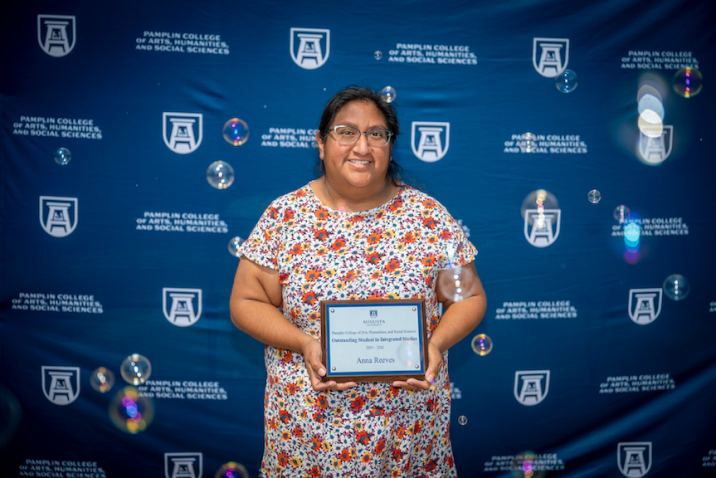
"Our students lead with purpose and make a tangible difference where it matters most," says Kim Davies, PhD.
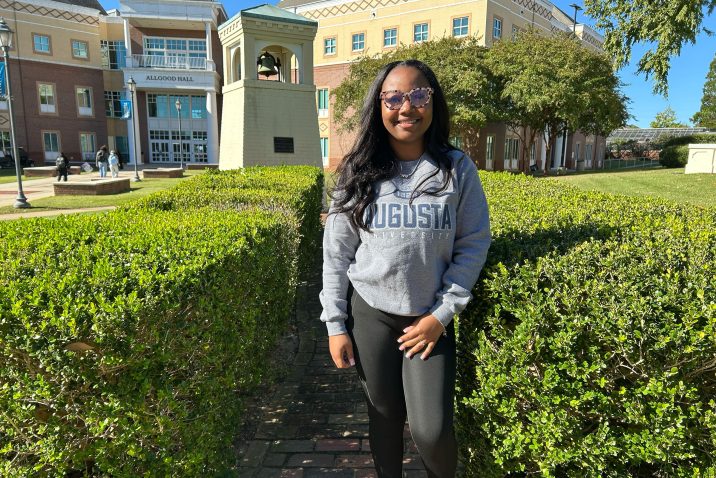
Kaesha Ford, a first-year nursing student at Augusta University, was recently named one of two inaugural Augusta-area recipients of the Earl Woods Scholar program.

Partnering with the Georgia Cancer Center at Augusta University and Wellstar MCG Health, the local community turned out in force for PaceDay 2026.
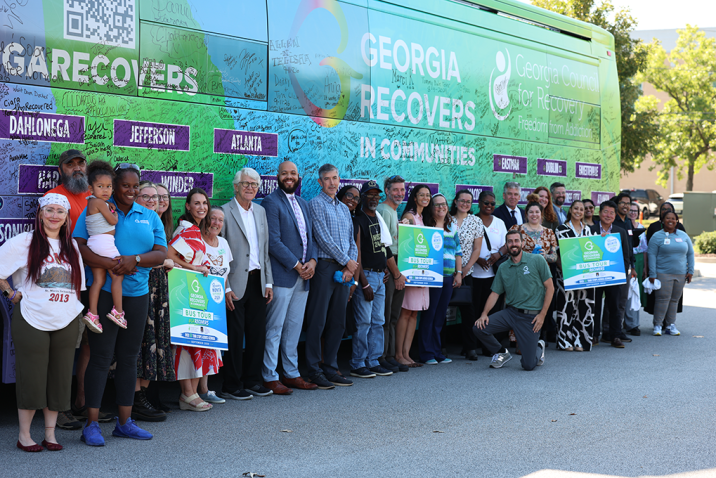
"SPH recognizes substance use as a public health issue; it's not an issue that just one organization can solve on its own," says Katherine Covington.