
Kumar Vaibhav
Associate Professor
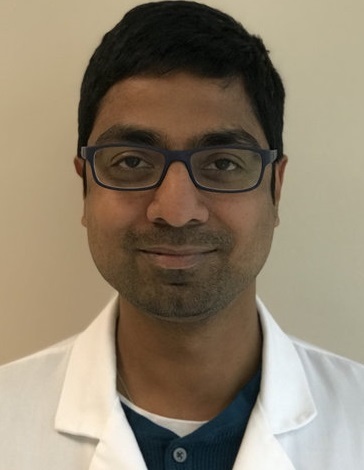
Kumar Vaibhav
Associate Professor
Academic Appointment(s)
Medical College of Georgia
Department of Neurosurgery
Administration
Department of The Graduate School
College of Allied Health Sciences
Department of Allied Health Professions: Medical Laboratory, Imaging and Radiologic Sciences
Bio
Kumar Vaibhav, MS, PhD, is an associate professor whose research targets neuroinflammation after brain injury, with a strong commitment to graduate education, mentorship, and academic service. His work involves Neuroscience integrating translational neurotrauma research with student-centered teaching, mentorship across career stages, and sustained institutional and national service.
- KVAIBHAV@augusta.edu
- (706) 721-4691
- CB 2605
- Personal Website
Education
-
Ph.D., Toxicology Hamdard University, 2013
-
MS, Toxicology Hamdard University, 2006
-
BSCHEM, Chemistry, General Vinoba Bhave University, 2002
Awards & Honors
-
Best Clinical Research Poster award Rachel Pressman MCG- Augusta University, 2025
-
Best and overall poster awards (Manuela Guzman Zabala) in 24th Undergraduate Research and Fine Arts Conference CURS- augusta University, 2024
-
Honored for 10 year or more of service Augusta University, 2024
-
CURS Material and travel grant AURI-CURS, 2024
-
Award of Excellence in Research (2nd place) in Augusta University Graduate Research Day (Talk) [Manish Kumar] Augusta University, 2023
Teaching Interests
My teaching interests center on integrating foundational neuroscience with translational and clinically relevant perspectives, particularly in the context of brain injury, neuroinflammation, and neurovascular biology. As an educator, my goal is to help students at all levels understand how molecular and cellular mechanisms inform disease pathophysiology, therapeutic development, and patient outcomes.
I have extensive experience teaching across educational stages, including undergraduate, graduate, professional, and medical learners. My formal teaching includes graduate neuroscience courses, laboratory rotations in biomedical sciences, medical scholar research instruction, and dental and oral biology neuroscience curricula. These roles have allowed me to adapt content complexity while maintaining conceptual rigor and relevance. I emphasize active learning strategies, critical analysis of primary literature, and hypothesis-driven thinking to prepare students for research careers, clinical training, and interdisciplinary collaboration.
A core component of my teaching philosophy is mentorship through research. I have supervised and mentored more than 35 trainees, including undergraduate honors students, CURS scholars, graduate students, medical students, postdoctoral fellows, and research staff. My teaching interests therefore extend beyond the classroom into structured research training, where students learn experimental design, data interpretation, scientific communication, and responsible conduct of research. Many of my mentees have progressed to medical school, doctoral programs, postdoctoral fellowships, and professional healthcare careers, reflecting my commitment to long-term trainee development.
I am particularly interested in teaching topics that bridge basic science and clinical application, such as neuroimmune signaling, sex differences in neurological disease, experimental models of brain injury, and translational therapeutics including cannabinoids and immunomodulatory strategies. I also value interdisciplinary education and have contributed to programs that engage students from neuroscience, dentistry, medicine, and allied health sciences.
Looking forward, my teaching interests include developing integrative modules that connect molecular neuroscience to patient-centered outcomes, expanding experiential research opportunities for undergraduate and medical students, and contributing to departmental and institutional teaching initiatives that promote inclusive, evidence-based education. Through these efforts, I aim to advance the department’s mission by fostering scientifically rigorous, clinically informed, and socially responsible scholars.
Scholarship
Selected Recent Publications
- Pesticide Exposure in Agricultural Workplaces and Resultant Health Effects in Women, 2025
Manuscript - Neuro-Immune Interplay: Unraveling the Complexities of Neurological Complications and Immunology, 2025
Magazine/Trade Publication - Editorial: Brain Injury and Neurodegeneration: Molecular, Functional, and Translational Approach 3.0 , 2025
Other - Brain Injury and Neurodegeneration: Molecular, Functional, and Translational Approach 3.0, 2025
Magazine/Trade Publication - Cu Transport Proteins as Novel Therapeutic Targets for Cu-dependent Brain Endothelial Barrier Dysfunction and Cuproptosis linked to Alzheimer’s Disease, 2025
Abstract
Research Interests
My research program focuses on understanding immune-mediated mechanisms that drive acute and chronic neurological dysfunction following traumatic brain injury (TBI) and related cerebrovascular insults. The overarching goal of my work is to identify molecular and cellular targets that can be leveraged to develop effective, translational therapies for brain injury–induced neurodegeneration and cognitive decline.
A central theme of my research is the role of neuroimmune and neurovascular crosstalk in shaping injury progression and recovery. My laboratory investigates how innate immune cells, particularly myeloid populations, regulate inflammation, vascular remodeling, and tissue repair after brain injury. We have demonstrated that dysregulated immune activation contributes to secondary injury, whereas targeted immunomodulation can promote functional recovery. This work has been supported by sustained NIH funding, including multiple R01 and R21 mechanisms, and has produced high-impact publications elucidating inflammatory signaling pathways in TBI.
Another major research focus is the endocannabinoid system as a therapeutic target in brain injury. My group has shown that selective activation of cannabinoid receptors and related signaling pathways modulates immune polarization, preserves neurovascular integrity, and improves neurological outcomes. These findings have advanced the concept of immune-directed neuroprotection and have informed ongoing efforts to develop pharmacological and cell-based interventions for TBI and stroke.
More recently, my research has expanded to investigate systemic contributors to brain injury pathology, including erythrocrine dysfunction, altered cerebral blood flow, and immune-mediated mechanisms of post-traumatic dementia. We are particularly interested in how brain trauma accelerates aging-like processes, including chronic inflammation, synaptic dysfunction, and neurodegeneration. Ongoing and submitted projects address sex-specific vulnerabilities, macrophage-mediated resolution of inflammation, and long-term cognitive outcomes following injury.
My research program is highly collaborative and interdisciplinary, integrating expertise from neuroscience, immunology, vascular biology, and clinical neurosurgery. Through these efforts, I aim to advance mechanistic understanding of brain injury while maintaining a clear translational trajectory toward therapeutic development. Collectively, my work supports the department’s mission by contributing externally funded, high-impact, and clinically relevant research that bridges basic discovery and patient-centered outcomes.
Department Service
-
Mentoring Med students, Undergrads, postdocs, research associates/assistant 2014 - Present
Role: Mentor
College Service
-
MCG Admissions MMI 2021 - 2022
Role: Other
University Service
-
Small Animal Behavior Core (SABC) Advisory Committee 2025 - Present
Role: Committee Member
-
EM-Histology Core Advisory Committee 2025 - Present
Role: Committee Member
-
IACUC Reviewing Committee 2024 - Present
Role: Committee Member
-
Undergraduate Honors Thesis Committee 2024 - Present
Role: Faculty Mentor
-
AU Faculty Senate Governance and Communication Committee 2023 - Present
Role: Committee Member
Professional Service
-
National Neurotrauma Society (NNS) WINTR-VISA fellowship review committee 2025 - Present
Role: Reviewer, Ad Hoc Reviewer
-
Department of Defense (CDMRP) Grant Reviewer 2024 - Present
Role: Reviewer, Ad Hoc Reviewer
-
Rosetrees Trust, UK 2024 - Present
Role: Reviewer, Ad Hoc Reviewer
-
American Heart Association 2023 - Present
Role: Reviewer, Ad Hoc Reviewer
-
Frontiers in Neuroscience 2022 - Present
Role: Editor, Associate Editor
Public Service
-
Stevens Creek Elementary School, Augusta 2019 - Present
Role: Other
-
The HTS 2014 - Present
Role: Task Force Member
-
Augusta University 2014 - 2018
Role: Other
-
Goodwill Industries- Shift #2 2018
-
HTS Soup Kitchen 2016 - 2017
Role: Other