Current Physiology Graduate Students
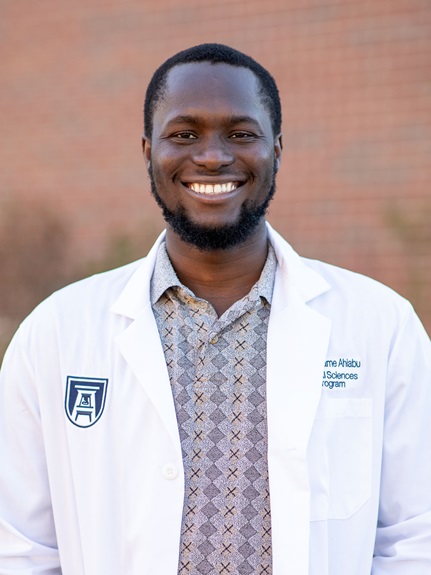
I am interested in investigating the mechanisms of immune cell-mediated renal damage induced by blood pressure variability. We have established that hypertensive renal damage is associated with immune cell infiltration of the kidneys. My current study focuses on i) elucidating whether blood pressure variability without change in mean arterial pressure induces the same histological features associated with renal damage and ii) investigating immune cell gene expression levels in damaged renal tissue.
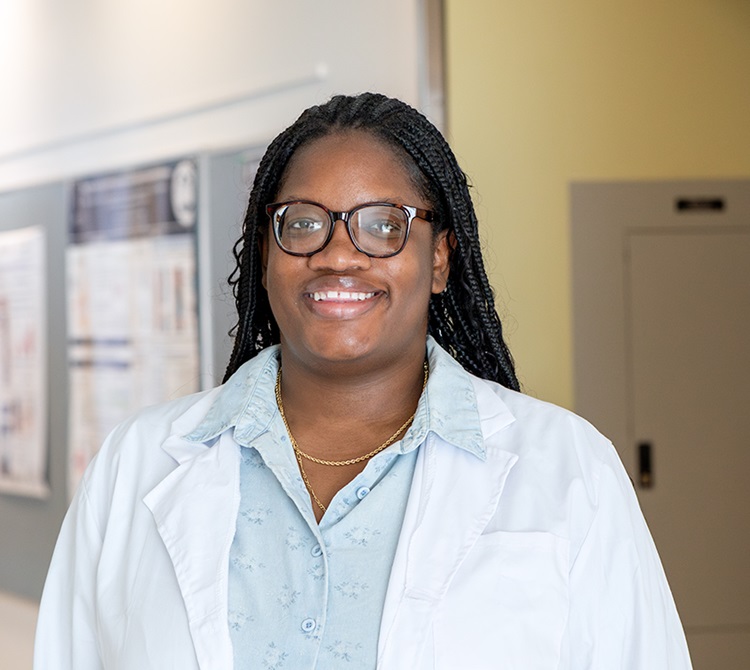
I am interested in studying pregnancy related diseases such as preeclampsia and gestational diabetes. My research involves studying the effects of acute kidney injury and obesity related hypertension and diabetes in pregnancy by using animal models to delineate how excess adipose tissue may cause endothelial damage and how renal damage may contribute to poor fetal outcomes.

I am interested in the function of the kidneys during angiotensin II dependent hypertension and specifically how sex differences influence the efficacy of treatment. My current project has shown that males and females respond differently to a mineralocorticoid receptor inhibitor, spironolactone, where females appear to have a better response to treatment. I would like to investigate the sex-specific mechanisms for these sex differences.
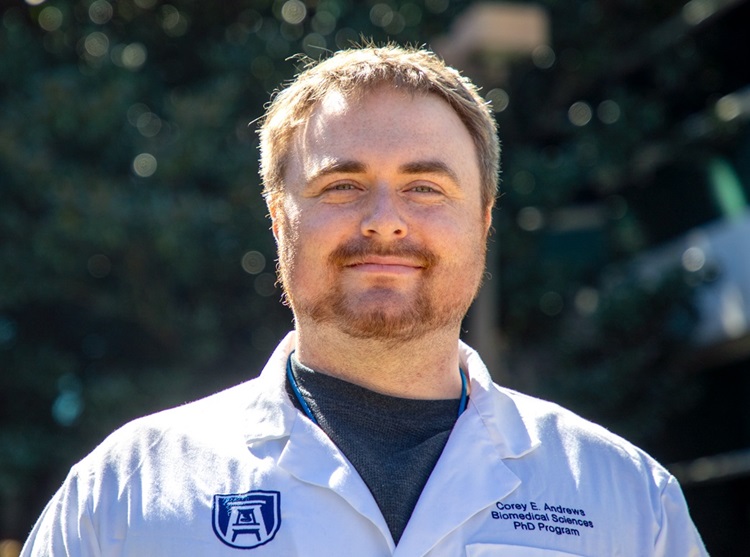
The main focus of my ongoing research is examining histamine's role in the nephron, as it pertains to maintaining and/or modulating podocyte and renal tubular cell function. Inflammation associated with salt-sensitive hypertension (SS-HTN) induces the release of pro-inflammatory signaling ligands, including histamine. Evidence from our lab demonstrates that the kidney not only responds to histamine via multiple histamine receptors, but also handles it using enzymes that synthesize and break histamine down. This project leverages ex vivo and in vitro calcium/nitric oxide imaging techniques, knockouts of histamine-handling enzymes in salt-sensitive rats, and modulation of histamine receptors pharmacologically in vivo.
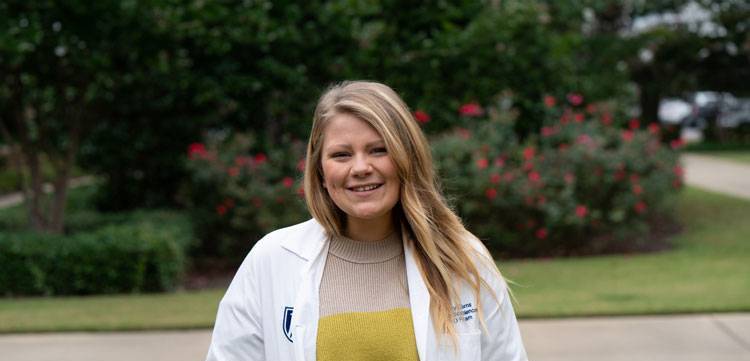
My research interest revolves around better understanding salt-sensitive hypertension through examining how sodium contributes to immune dysregulation. Current work focuses on the involvement of the CD14/TLR4 complex pro-inflammatory response and how immune cell-derived ROS production drives exacerbation of hypertension and renal damage as a result of a high salt diet.
My research involves understanding the role of immune cell activation contributing to salt-induced blood pressure elevation. Ongoing project is investigating the role of IL-17 in salt-sensitive hypertension and renal damage in Dahl salt-sensitive rats.

I am interested in examining the relationship between cardiomyocyte dysfunction and heart failure. It has been observed that the dysfunction of the mitochondrial gene nicotinamide nucleotide transhydrogenase (NNT) leads to a buildup in reactive oxygen species (ROS) and more severe symptoms in heart failure. My research will be aimed at studying the mechanisms of how NNT dysfunction eventually results in the more severe symptoms of heart failure. I am also interested in examining natural therapeutics which can be used to treat cardiovascular disease and plaque buildup in the blood vessels.
My research interest revolves around how dietary changes impact cardiovascular health among males and females. Current work focuses on determining the impact of biological sex on blood pressure responses to a Western diet (high fat and high salt). We have confirmed that the Dahl rat is an excellent model to study the enhanced sensitivity of females to increases in dietary salt and fat, mirroring what is seen epidemiologically in women. We are focused on determining the mechanisms by which a high-fat diet predisposes females to the development of hypertension.
My research passion lies in investigating the intricate connections between vascular health and the vascular contributions to aging-, diabetes-, hypertension-related cognitive dysfunction, and Alzheimer's Disease and Alzheimer's Disease-Related Dementias (AD/ADRD). Specifically, I focus on identifying novel therapeutic targets and elucidating underlying mechanisms to alleviate cerebral vascular and cognitive dysfunctions associated with AD/ADRD. By exploring these intersections, I aim to contribute to the development of effective strategies for combating the debilitating effects of these conditions on both vascular and cognitive health.

My research examines the interplay between factors impacting renal health and performance. Presently, I'm researching the repercussions of sleep deprivation on blood pressure regulation and renal integrity. Looking ahead, I plan to integrate dietary considerations in order to explore the consequences of a high-salt diet coupled with sleep deprivation in a model predisposed to salt-sensitive hypertension. Additionally, I'm actively examining the impact of nicotine-induced nitrosative stress on renal health, and I plan to examine the enduring effects of nicotine after smoking cessation.

I am interested in investigating the effects of acute kidney injury (AKI) caused by ischemia-reperfusion (IR) on pregnancy and fetal outcomes, as well as the cardiovascular changes resulting from these stressors. It has been established that even years after “recovery” from an AKI event, there is an increased risk of adverse outcomes for both pregnant women and their offspring. My current project focuses on the contribution of necrosis to sustained renal injury in both males and females following renal ischemic injury, and how inhibiting necrosis may influence recovery.

Ongoing projects seek to determine the regulation and function of the hormone leptin in the development of cardiovascular and fetal consequences of preeclampsia. Elisabeth utilizes novel rodent models as well as patient-derived tissues to determine the mechanism whereby placental leptin increases in preeclampsia. Elisabeth also seeks to investigate whether anti-hypertensive therapies inhibit leptin-induced hypertension, vascular dysfunction and fetal growth restriction in rodent models of preeclampsia.
My research interest is in wound regeneration in the cornea. My current work focuses on investigating factors that lead to the impairment of corneal epithelial wound healing observed in diabetes mellitus.

My research interest centers on the physiological mechanisms that regulate kidney function and how their disruption contributes to disease. Current work in our lab focuses on identifying the molecular and cellular pathways involved in renal hemodynamics and fluid balance. We use a range of techniques, from studies in conscious animals to molecular analyses, to investigate how changes in signaling pathways can impair renal function. A major focus of my work is understanding how alterations in these pathways lead to conditions such as acute kidney injury and chronic kidney disease.
I am interested in studying the sex-specific signaling mechanisms in chronic kidney disease (CKD). Our laboratory previously discovered that the upregulation of microRNA miR-146b has different roles in regulating CKD pathology in male and female rats. My project seeks to understand the interaction of pathological signaling pathways, miR-146b and gonadal hormones in the kidney.
I am interested in studying factors related to brain health and their contribution to the development of neurodegeneration and cognitive decline. My current research is focused on understanding the impact cardiovascular diseases have on the neurovascular unit. In particular, I am investigating how blood pressure variations affect neuroinflammation in the brain, a major contributor of cognitive decline. We have found that chronic blood pressure fluctuations increase pro-inflammatory markers, particularly those associated with microglial cells. Given the profound impact of cardiovascular disease on vascular dysfunction, my project will focus on glio-vascular signaling mechanisms. Our goal is to understand the cellular targets implicated in pressure-evoked microvascular dysfunction on increased glial (microglia and astrocytes) reactivity in the aging brain.
My research focuses on sex differences in renal mitochondrial function. Currently, I am investigating the effect of sex hormones on mitochondrial bioenergetics, such as oxygen consumption and reactive oxygen species at varying time points throughout life. Future research projects will be uncovering the mechanism that sex hormones act upon to create the differences between male and female renal mitochondria bioenergetics.
I am interested in understanding the correlation between NOS inhibitors and the (Arg)- Nitric Oxide molecular pathway in autosomal dominant poly-cystic kidney disease (ADPKD) and chronic kidney disease (CKD) that cause renal injury and subsequent cardiorenal syndrome. With my background in engineering, my project seeks to establish novel therapeutic interventions to mitigate the impacts of hypertension and endothelial dysfunction at varying stages of the diseases.

My research interest focuses on the kidney’s response to long lasting damage as well as potential regenerative mechanisms to improve the outcome of chronic kidney disease (CKD). Currently there is a large gap in treatment for CKD leading towards more extreme treatments near end stage renal disease such as dialysis and transplant. My current project is the analysis of the signaling that occurs during various stages of CKD and elucidating pathways that may lead to preventative measures to protect from full kidney failure.
My research interests involve investigating the interactions between the brain vasculature and the nervous system in aging, diabetes, Alzheimer’s disease, and Alzheimer’s disease-related dementias (AD/ADRD). Specifically, I focus on identifying novel therapeutic targets and mechanisms to improve glymphatic clearance and cognitive function by alleviating the cerebral vascular burden associated with AD/ADRD. My current project investigates the therapeutic potential of soluble epoxide hydrolase inhibition and the role of aquaporin-4 in glymphatic dysfunction using rat models of AD.
My project investigates how cerebrovascular dysfunction and small-vessel pathology contribute to cognitive impairment and dementia. Using complementary animal models and human brain autopsy tissue, I will examine disease mechanisms, identify potential therapeutic targets, and advance promising candidates from initial discovery through experimental target validation.
I am interested in investigating the role of reproductive hormones in the development of cardiovascular and renal injury. My current project focuses on the effects of progesterone treatment on hormonal cycling and cardiorenal injury in DOCA-salt challenged female Sprague-Dawley rats. In addition, my next project will center around PCOS related hypertension and the impact of androgens in reducing the cardiovascularly protective phenotype typically seen in females.